A road is a stack of compacted layers, each one stronger than the one below it. From the bottom up they are the subgrade (the natural ground, prepared and compacted), the sub-base (selected gravel, usually 150 to 200 mm), the base (crushed stone or stabilised gravel, usually 150 to 200 mm) and the surfacing (asphalt or a bitumen seal) on top. The layers spread the weight of each wheel so that the soil underneath only feels a small part of it. When a road fails early, the cause is almost always in the layers you cannot see: weak soil, poor compaction or water getting in.
Why is a road built in layers?
A loaded lorry puts a lot of force on a very small area under each tyre. Natural soil cannot carry that directly; it would rut and deform within weeks. Each layer of a road takes the concentrated load from above and passes it down over a wider area. By the time the load reaches the subgrade, it has spread out enough for the soil to carry it.
That is also why the best materials go at the top, where the stress is highest, and cheaper local material goes lower down. It is a cost decision as much as an engineering one. Using crushed stone for the whole depth would work, but it would cost far more than it needs to.
What are the layers of a road?
| Layer | Typical material | Typical thickness | Job |
|---|---|---|---|
| Surfacing | Asphalt concrete, or a double surface dressing (bitumen and stone chippings) | 15 to 50 mm | Keeps water out and gives grip |
| Base | Crushed stone, or gravel stabilised with cement or lime | 150 to 200 mm | Carries most of the wheel load |
| Sub-base | Selected natural gravel | 150 to 200 mm | Spreads the load and protects the subgrade |
| Improved subgrade (where needed) | Better soil brought in, or the existing soil treated | 150 to 300 mm | Gives a firm platform on weak ground |
| Subgrade | The natural ground, shaped and compacted | Top 150 to 300 mm compacted | The foundation of the road |
These numbers are typical, not fixed. The real thicknesses come from a pavement design that looks at two things: how strong the subgrade is and how much heavy traffic the road will carry over its life. A quiet estate road and a highway carrying loaded trucks to the port can sit on the same soil and still need very different layers.
What is the subgrade, and why does it matter so much?
The subgrade is the ground the road sits on. Engineers test it before designing anything, usually with the California Bearing Ratio (CBR) test, which compares the soil's strength with a standard crushed stone. A sandy gravel might score 15 or more. Wet clay can score 3 or less.
Weak subgrade is common in parts of Tanzania, especially on black cotton soil, which swells when wet and shrinks and cracks when dry. Building a road straight on it is asking for trouble. The usual answers are to dig the bad soil out and replace it, to treat it with lime, or to add an improved layer on top so the movement does not reach the surfacing. Our guide to black cotton soil explains the same problem for buildings.
What do the sub-base and base do?
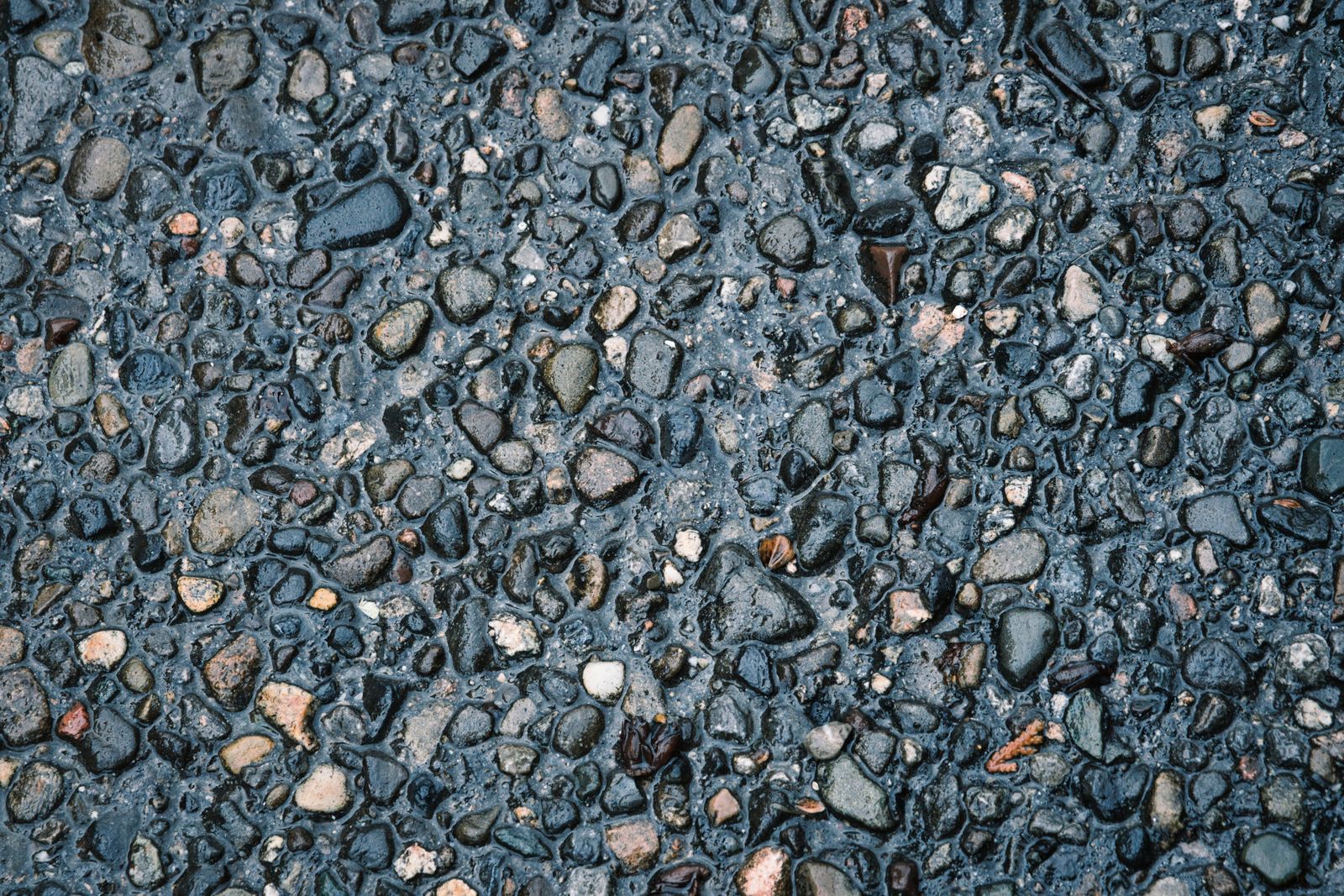
The sub-base is usually natural gravel from a borrow pit near the site, chosen for its grading and strength. It spreads the load further and stops the fine soil of the subgrade from pumping up into the stone above when the road is wet.
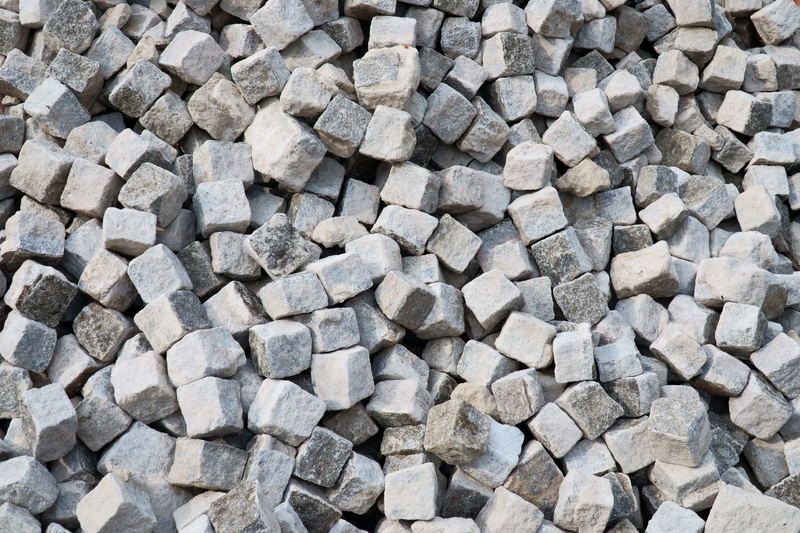
The base is the workhorse. On a busy road it is crushed stone, graded so the small pieces lock into the gaps between the large ones. On lighter roads, good gravel mixed with a small amount of cement or lime can do the job at lower cost. A good base is dense, well drained and strong enough to carry wheel loads with only a thin surface on top.
How is each layer compacted?
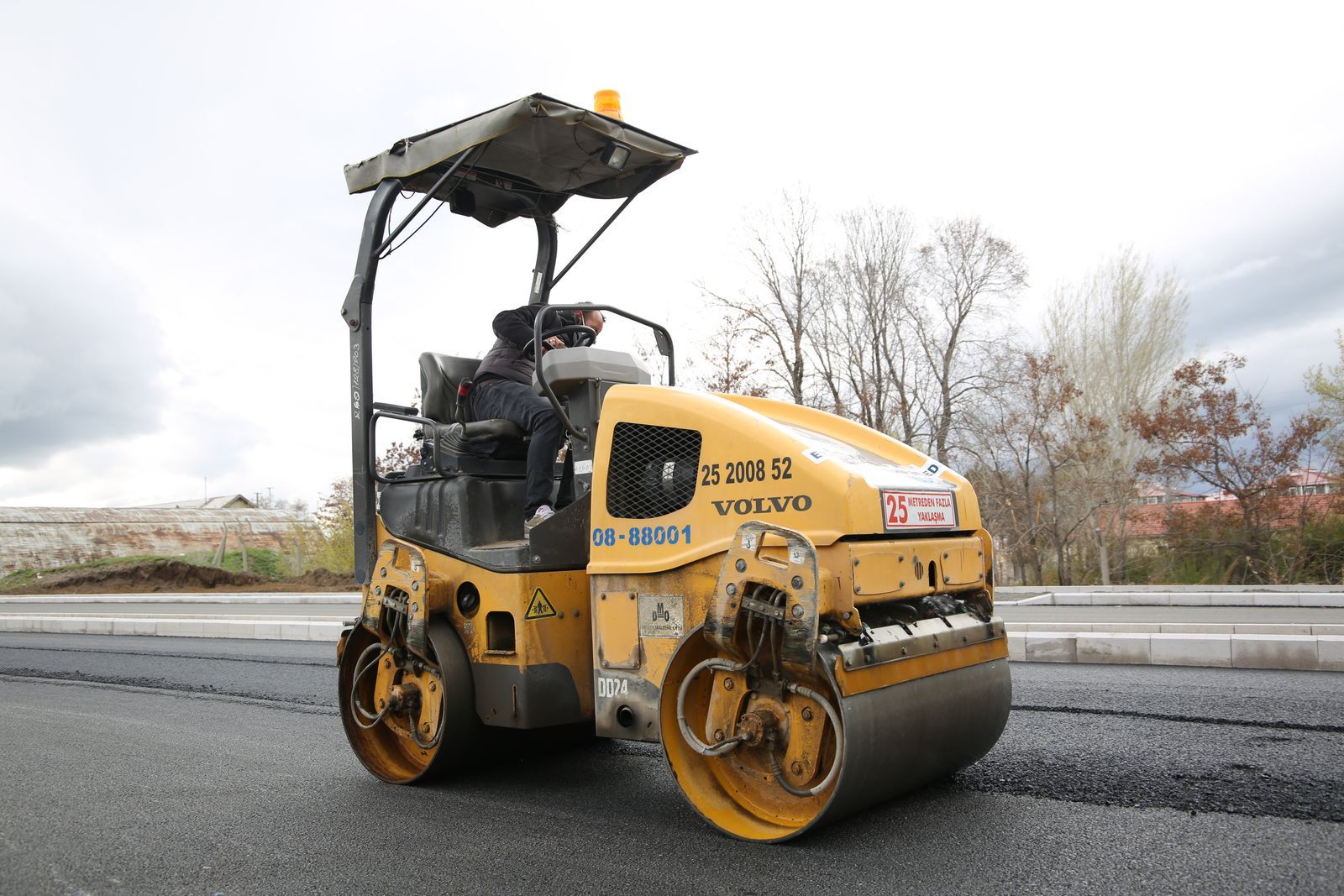
Compaction is where most of the quality of a road is won or lost. Each layer is spread in a thickness the roller can handle, watered to the right moisture content and rolled until it reaches a set density. That target is expressed as a percentage of the maximum dry density found in the laboratory, commonly 95 per cent for sub-base and 98 per cent for base on main roads.
The moisture part is easy to get wrong. Too dry and the particles do not pack together. Too wet and the layer turns spongy under the roller. On a well-run job the lab technician tests density on site, often with a sand replacement test or a nuclear density gauge, before the next layer is allowed to go on.
What goes on top: asphalt or a surface dressing?
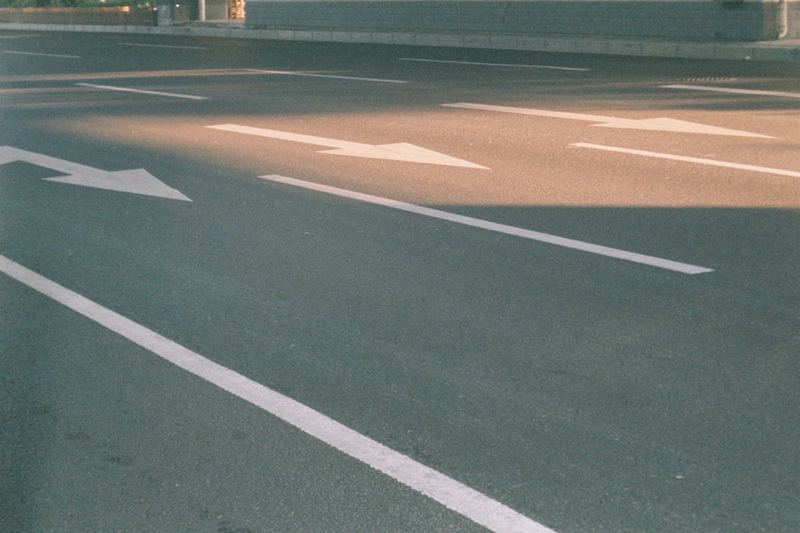
The surfacing keeps water out of the base and gives tyres something to grip. On main roads in Tanzania you will mostly see two types:
- Asphalt concrete: a hot mix of bitumen, sand and stone, laid by a paver and rolled, usually 40 to 50 mm thick. Smooth, quiet and long-lasting.
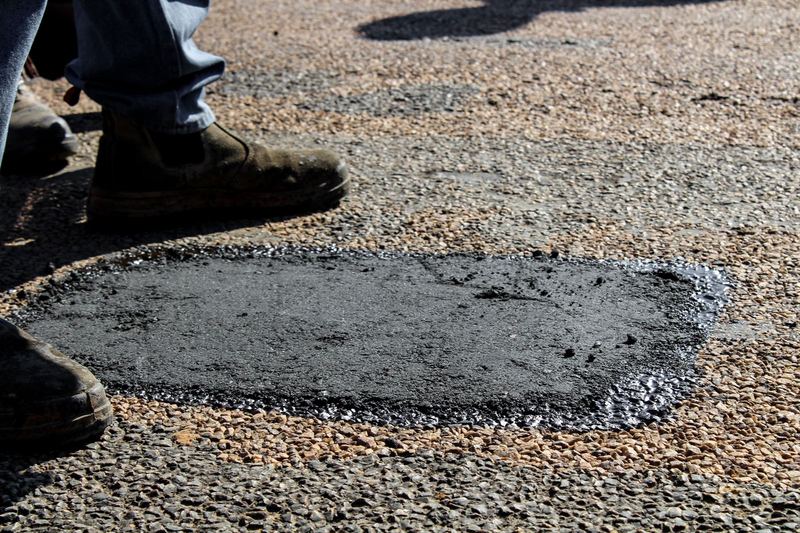
- Surface dressing: bitumen sprayed on the base, then stone chippings spread and rolled into it. A double surface dressing repeats the process. It is cheaper and quick to lay, but it needs resealing every several years.
We compare these in more detail, along with concrete and paving blocks, in road surface types.
Why does water decide how long a road lasts?
Every layer loses strength when it gets wet. Roads are therefore shaped to shed water fast. A paved road has a crossfall, or camber, of about 2.5 to 3 per cent, and a gravel road needs more, around 4 to 6 per cent, so that rain runs off before it soaks in. Side drains carry the water away, and culverts take it under the road where it has to cross.
When drains are blocked or missing, water sits beside the road, seeps into the base and the road starts to break up from below. That is why so many potholes appear at the start of the long rains. We explain the process in why roads get potholes and the drainage side in culverts and road drainage.
What are the most common mistakes on small road projects?
On private and estate roads we see the same problems again and again:
- Building on the natural soil without testing it.
- Spreading layers too thick for the roller to compact properly.
- Skipping water during compaction to save time.
- Using soft, dusty gravel in the base because it is cheap and close by.
- No camber and no side drains, so rain stands on the road.
- Opening the road to heavy trucks before the surface has bedded in.
None of these show on the day of handover. All of them show after the first rainy season.
Frequently asked questions
How thick is a typical road in Tanzania?
On a medium-traffic paved road, the layers above the subgrade often add up to 350 to 500 mm: around 150 to 200 mm of sub-base, 150 to 200 mm of base and 15 to 50 mm of surfacing. Heavy-traffic roads and weak soils need more.
What is CBR in road construction?
California Bearing Ratio. It measures how strong a soil or gravel is compared with a standard crushed stone. Engineers use it to decide how thick the road layers need to be.
Can I build a road on black cotton soil?
Yes, but not directly. The expansive soil is usually removed and replaced, treated with lime, or covered with a thick improved layer. Without that, the road will crack and heave within a season or two.
Who sets road standards in Tanzania?
Road design and specifications for public roads are set by the Ministry of Works and applied by TANROADS and TARURA. Private roads are not bound by them, but following the same principles saves money in the long run.
Building an access road or estate road?
Vika Construction carries out earthworks, road bases, drainage and surfacing for private estates, commercial sites and access roads. See our civil works or contact us with your site location.
Found this useful? Share it with someone who is building.