For most busy public roads in Tanzania, asphalt concrete is the best all-round surface: smooth, long-lasting and easy to repair. For lighter roads, a double surface dressing gives a sealed, dust-free road at a much lower cost, as long as it is resealed every several years. Concrete lasts longest and copes best with heavy, slow traffic and standing water, but it costs the most to build. Gravel is cheapest to build and most expensive to keep. Paving blocks suit estates, car parks and driveways. The right choice comes down to traffic, budget and how much maintenance you can commit to.
What road surfaces are used in Tanzania?
Walk around any Tanzanian town and you will see most of them within a kilometre: gravel streets, chip-sealed district roads, asphalt highways, concrete at bus stands and fuel stations, and paving blocks in newer estates and bank car parks. Each one exists for a reason.
| Surface | Rough life before major work | Build cost (relative) | Maintenance | Best for |
|---|---|---|---|---|
| Gravel | 2 to 5 years of regrading and regravelling | Lowest | High: grading every year, regravelling | Low-traffic rural roads |
| Double surface dressing | 6 to 10 years before reseal | Low to medium | Reseal, patch | District roads, estate roads |
| Otta seal | 8 to 12 years | Low to medium | Similar to surface dressing | Rural roads using local gravel |
| Asphalt concrete | 15 to 20 years with maintenance | Medium to high | Crack sealing, patching, overlay | Main roads, urban streets |
| Concrete | 25 to 40 years | High | Joint sealing | Bus stands, depots, heavy slow traffic |
| Paving blocks | 20 years or more | Medium | Re-level and replace blocks | Driveways, estates, car parks |
The lives above assume a well-built base and working drains. With neither, any surface fails early.
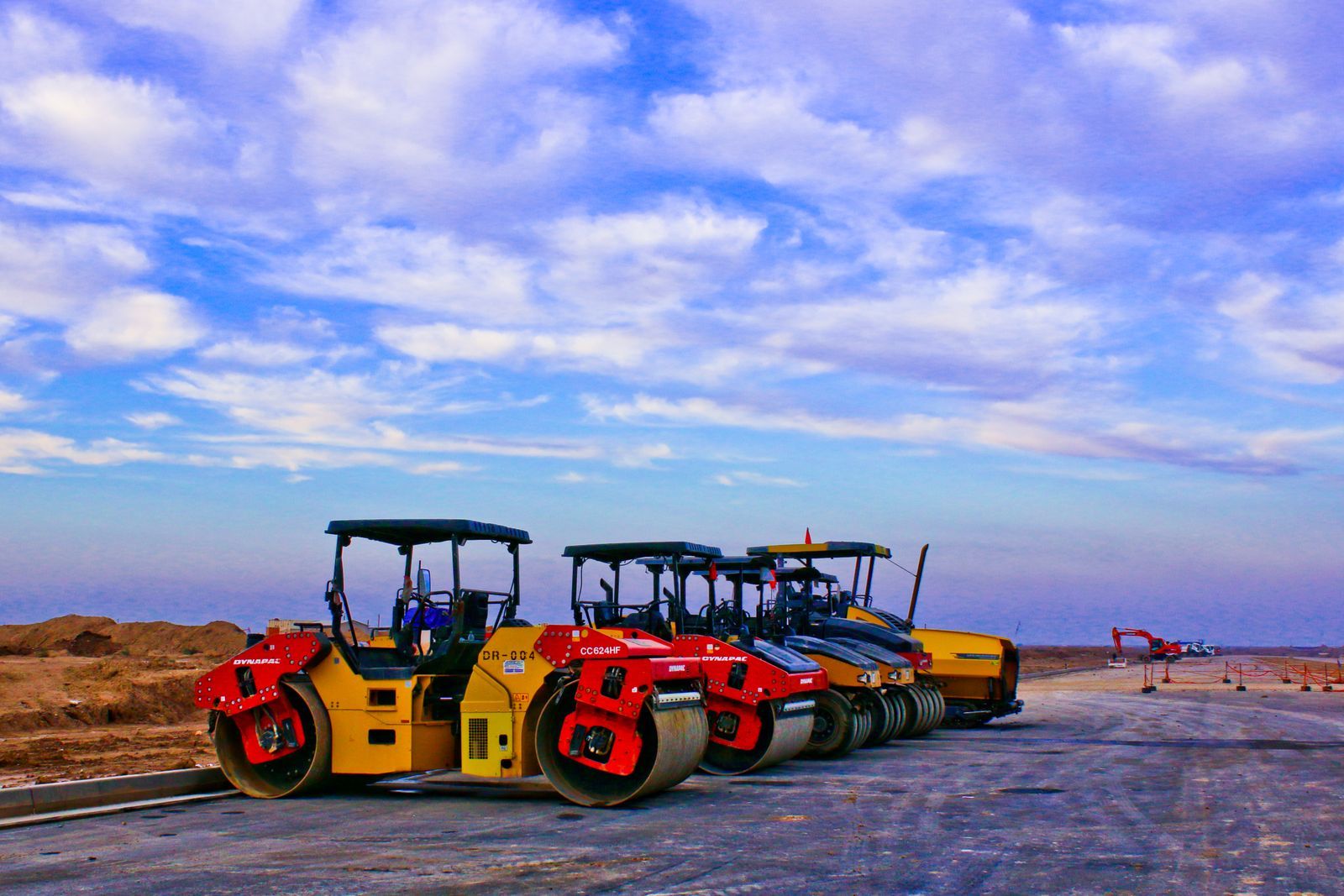
Is surface dressing as good as asphalt?
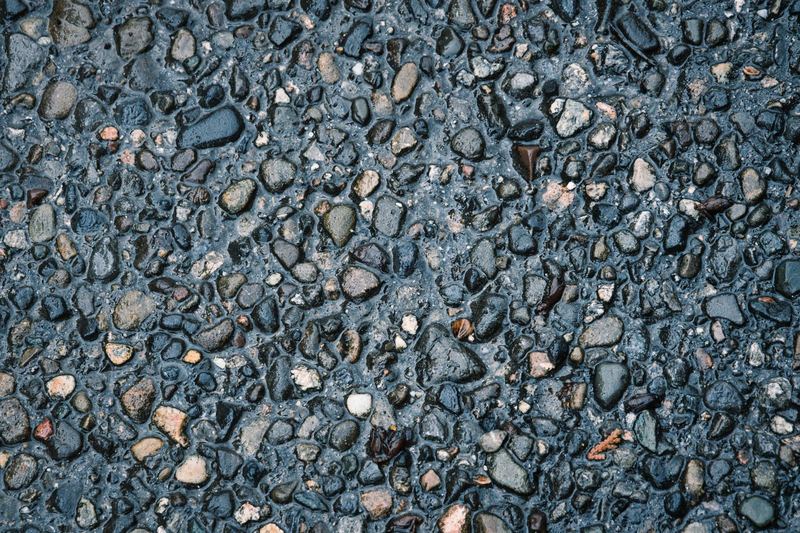
For the right road, yes. A surface dressing is bitumen sprayed onto a finished base with stone chippings rolled in. A double surface dressing does it twice, with smaller chippings the second time to lock the first layer. It seals the road, stops dust and gives good grip, at a fraction of the cost of asphalt.
What it does not do is add strength. All the load is carried by the base, so the base must be good. It is also rougher and noisier than asphalt, and it needs a reseal every six to ten years or so. If that reseal is skipped, the surface cracks, water gets in and potholes follow. Many district roads that look "worn out" are really roads where the reseal never happened.
Why choose asphalt concrete?
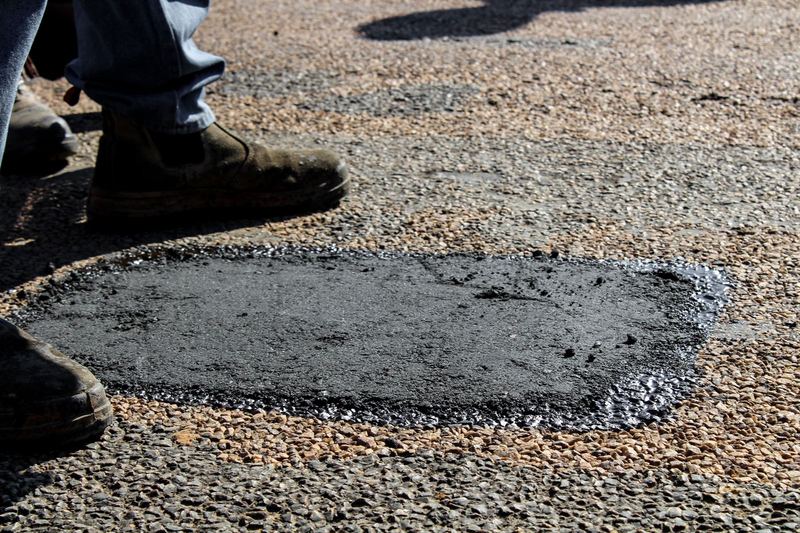
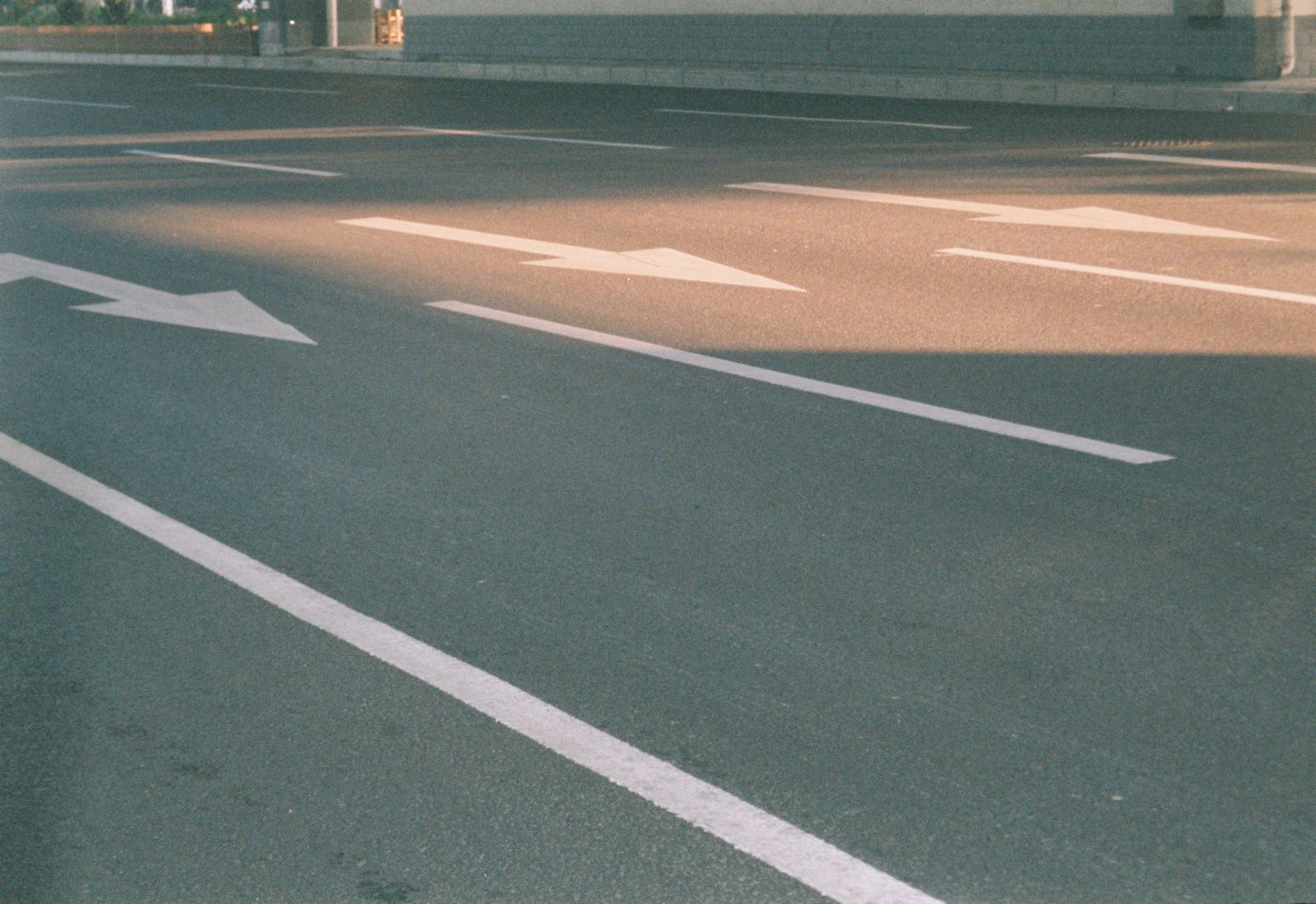
Asphalt concrete is mixed hot at a plant and laid by a paving machine, typically 40 to 50 mm thick on medium roads and thicker on heavy ones. It adds some strength to the road, rides smoothly and is quiet. Repairs are straightforward: cut out the damaged area, patch with new mix and roll.
Its weak point in our climate is heat and heavy, slow vehicles. On steep climbs and at junctions where loaded trucks brake and stand in the sun, asphalt can rut and shove. That is where engineers often switch to concrete.
When does a concrete road make sense?
Concrete roads are rigid slabs, usually 200 to 250 mm thick for heavy use, cast in panels with joints to control cracking. They last a long time and do not soften in the heat, which is why you see them at bus terminals, container yards and fuel stations.
The downsides are cost and repairs. A concrete road costs considerably more than asphalt to build, needs about a week or more of curing before traffic, and a cracked panel has to be broken out and recast. For a private site carrying lorries every day, the higher first cost often pays for itself. For a quiet street, it rarely does.
Are paving blocks a good choice?
Interlocking concrete paving blocks (often called cabro) are laid on a bed of sand over a compacted base, with edge restraints to hold them in. They are popular for driveways, estate roads and car parks because they look neat, can be laid without heavy plant, and can be lifted and relaid when a pipe needs fixing.
They only last if the base underneath is done properly and the edges are restrained. Blocks laid on loose soil sink into ruts within months. We cover this in detail in our guide to driveways and access roads.
Is gravel really the cheapest option?
To build, yes. Over twenty years, often not. Gravel roads lose material to traffic and rain every year, so they need regular grading and fresh gravel. They are dusty in the dry season and slippery in the wet. For a low-traffic rural road with an engineer's maintenance plan, gravel is sensible. For a private road serving a busy site, sealing it early is usually cheaper in the end.
How do you choose the right surface?
Ask four questions:
- How many heavy vehicles will use it each day? Lorries do most of the damage, not cars.
- What can you spend now, and what can you spend on maintenance later? A cheap surface with no maintenance budget is the most expensive option.
- Is water a problem on the site? Standing water favours concrete, or at least much better drainage.
- Will services run under it? Paving blocks are easier to lift and relay than asphalt or concrete.
Frequently asked questions
Which lasts longer, asphalt or concrete?
Concrete, typically 25 to 40 years against 15 to 20 for asphalt, both with proper maintenance. Concrete costs more to build and is harder to repair.
What is a double surface dressing?
Two layers of sprayed bitumen and stone chippings, rolled into a finished road base. It seals the road and gives grip at low cost, and needs resealing every several years.
What is an Otta seal?
A bitumen seal that uses graded natural gravel instead of single-size chippings. It was developed in Norway and is used on low-volume roads in several African countries because it suits locally available materials.
Can paving blocks carry lorries?
Yes, if they are thick enough (usually 80 mm or more for heavy vehicles), laid on a strong base and held in by firm edges. Thin blocks on a weak base fail quickly under lorries.
Need advice on a road or car park?
Vika Construction builds access roads, car parks and site works for banks, offices and estates. See our civil works or contact us with your site details.
Found this useful? Share it with someone who is building.