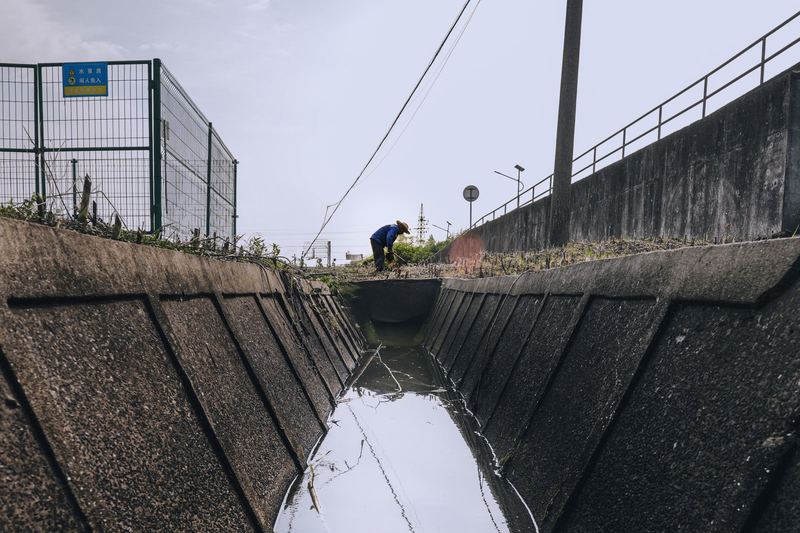

To flood-proof a house before the El Niño rains, start with the cheapest and most effective step: make sure water can leave your plot. Clear drains and gutters, direct downpipes away from the walls, and open up a clear path for surface water to the road drain or a soak pit. Then protect the openings water uses to get in (doors, air bricks, drains that back up), raise electrics and valuables, and fix damp walls and floors. Bigger upgrades, such as raising a floor or building a retaining wall, need an engineer.
Step 1: How do you find where the water comes from?
Walk around your plot during or just after heavy rain. Note where water collects, which way it flows, and whether it comes from your own roof, a neighbour's plot or the road. Take photos. This tells you which of the steps below matter most for your house.
Step 2: Clear every drain, gutter and downpipe
Remove leaves, sand and rubbish from gutters, downpipes and surface drains. Check that drains slope towards the outlet and are not cracked. In Dar es Salaam, sand washed into drains is one of the most common causes of local flooding.
Step 3: Send roof water away from the walls
Every downpipe should end on a concrete splash pad, in a channel drain or a soak pit, at least a metre from the wall. Water dropping straight onto soil next to a wall soaks the foundation and splashes up the plaster.

Step 4: Shape the ground so it falls away from the house
The ground next to the house should slope away from the walls. A concrete apron (a strip of paving about 600 to 900 mm wide) around the building keeps rain from soaking the foundation and makes cleaning easy.
Step 5: Protect doors, air bricks and low openings
- Fit raised thresholds or removable flood boards at external doors.
- Cover low air bricks with removable covers during storms.
- Fit non-return valves on drains that back up during heavy rain.
- Seal gaps where pipes and cables enter the walls.
Step 6: Raise electrics and valuables
Ask a licensed electrician to move sockets and the distribution board above the expected flood level, and to make sure the circuit breakers trip when water gets in. Store documents, electronics and stock on shelves, not on the floor.
Step 7: Fix damp walls and floors
Rising damp, peeling paint and salt marks show water is already getting in. Repair the damp proof course where possible, use a waterproof render on the plinth, and seal cracks. Read waterproofing roofs and walls for the right materials.
Step 8: Build or improve stormwater drainage
If your plot floods every year, you need a drainage plan: channel drains, soak pits, culverts under the gate and a legal outfall. Our stormwater drainage guide explains the options and costs.
Step 9: Ask an engineer about the bigger fixes
Some problems need structural work:
- Raising a floor level or the whole ground floor slab.
- A retaining wall where the plot is below the road or a slope.
- Underpinning a foundation that has moved.
- A raised plinth or new boundary wall with drainage openings, see boundary wall costs.
How much does flood-proofing cost in Tanzania?
Costs depend on the size of the house and the site. These figures are examples only, to help you plan.
| Work | Example cost |
|---|---|
| Clearing and repairing gutters and drains | TSh 150,000 to 600,000 (about USD 60 to 230) |
| Concrete apron around a 3-bedroom house | TSh 1,500,000 to 3,500,000 (about USD 580 to 1,350) |
| Flood boards and raised thresholds (per door) | TSh 150,000 to 400,000 (about USD 60 to 150) |
| Moving sockets and the electrical board | TSh 300,000 to 1,000,000 (about USD 120 to 380) |
| New channel drains and a soak pit | TSh 2,000,000 to 8,000,000 (about USD 770 to 3,100) |
USD figures are approximate, using roughly TSh 2,600 per USD. Prices vary by region, site and materials; ask for a priced quote.
Frequently asked questions
What is the cheapest way to stop flooding at home?
Clearing drains and gutters and sending roof water away from the walls. These cost little and solve many small flooding problems.
Can I raise my floor to stop flooding?
Sometimes. A new floor slab can be laid on top of the old one, but door heights, ceiling heights and the structure must allow it. An engineer should check first.
Do sandbags work?
Sandbags help for short periods but are not watertight. Flood boards, raised thresholds and good drainage work better and last longer.
Is my house safe after it floods?
Check for new cracks, soft floors, damp walls and electrical faults. Do not switch power back on until an electrician checks it. Call an engineer if cracks appear or grow.
Book a pre-rains inspection
Vika Construction inspects houses, designs drainage and carries out flood protection and repair works. Contact us for a site visit, or read our wider El Niño guide for Tanzania.
Found this useful? Share it with someone who is building.