Stormwater drainage for a home in Dar es Salaam means collecting rain from the roof, paving and garden and leading it safely off the plot, to a public drain, a soak pit or a natural outfall, before it can pond against the house. A good system uses open or covered channel drains along the house and boundary, concrete splash pads under downpipes, a culvert under the gate, and soak pits where there is no public drain. For a typical house plot, a full system costs from about TSh 2,000,000 to 10,000,000 (about USD 770 to 3,850), depending on size and soil.
Why is drainage so important in Dar es Salaam?
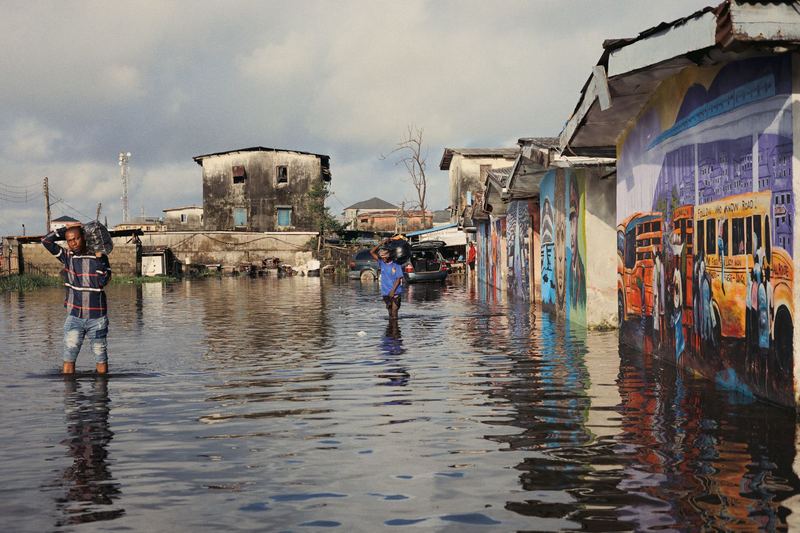
Dar es Salaam is low, flat in many areas and growing fast. Paved plots and roofs send more water into fewer drains, and sandy soil washes into channels and blocks them. During the long rains and El Niño seasons, a plot without a drainage plan floods quickly, and water standing against walls damages foundations and plaster. See our guide to protecting buildings from flooding in Dar es Salaam.
What are the parts of a home drainage system?
| Part | What it does |
|---|---|
| Gutters and downpipes | Collect roof water and bring it to ground level |
| Splash pads | Stop roof water eroding soil next to the wall |
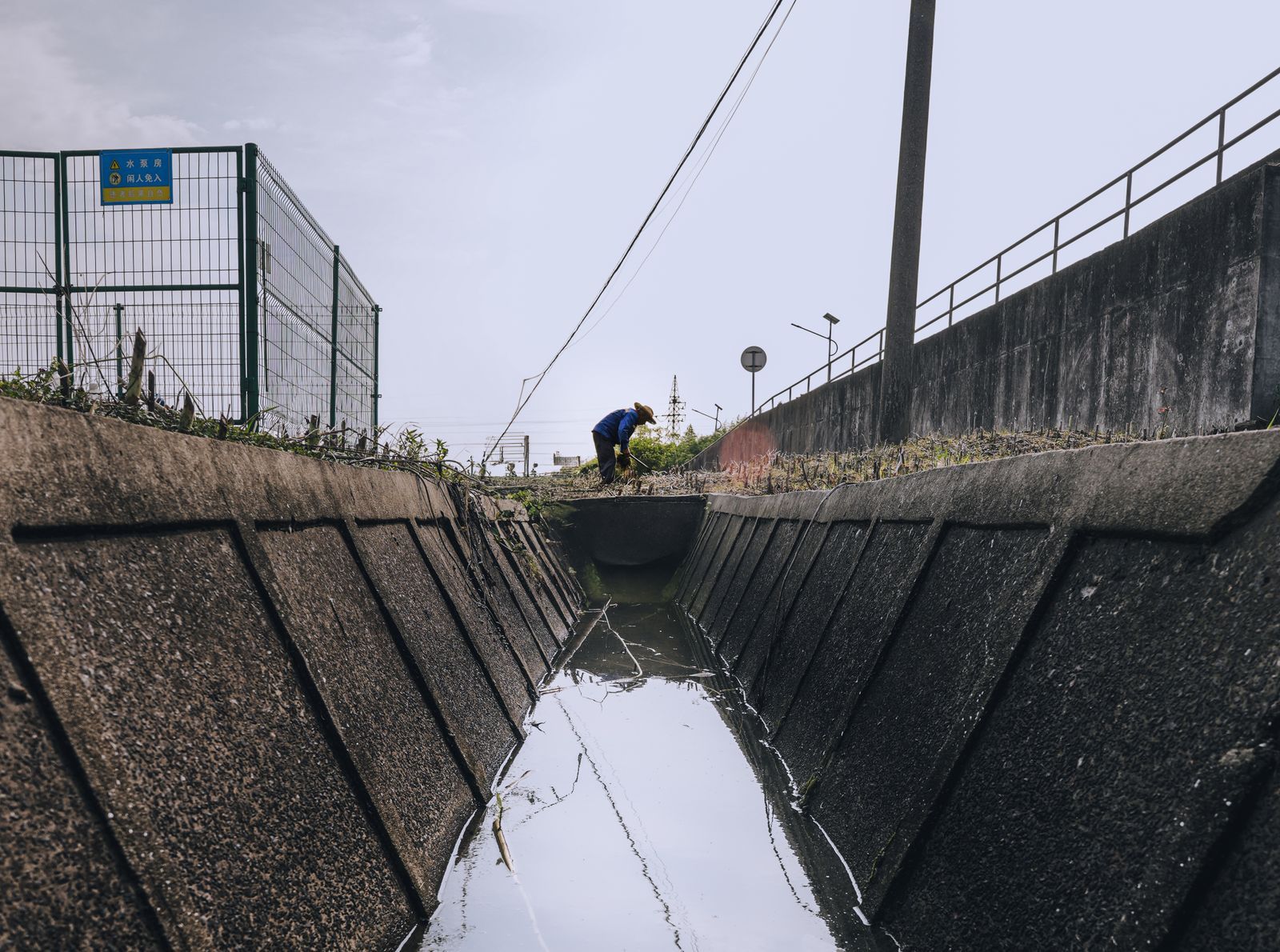
| Channel drains | Carry water along the house and boundary to the outlet |
| Concrete apron | Keeps rain away from the foundation |
| Soak pit | Lets water soak into the ground where there is no public drain |
| Culvert or gate drain | Takes water under the driveway to the road drain |
| Rainwater tank | Stores roof water for use, and reduces runoff |

How do engineers size a drain?
Drains are sized for the area that drains into them and the heaviest rain they need to handle. In practice, for house plots:
- Measure the catchment: roof area, paved area and any water arriving from outside the plot.
- Pick a design storm: a short, intense storm typical of the area.
- Calculate the flow and choose a channel size and slope that carries it without overflowing.
- Check the outlet: the public drain must be lower than your drain and have capacity.
For most house plots, 300 mm to 450 mm wide channels with a fall of at least 1 in 100 work well. Bigger plots, slopes or water coming from neighbours need a proper calculation.
Should you use open or covered drains?
- Open drains are cheaper and easy to clean, but collect rubbish and can be a hazard for children.
- Covered drains with grating are safer and neater, cost more, and still need cleaning access.
- Pipe drains suit tight spaces but block easily with sand; add silt traps.
When do you need a soak pit?
Where there is no public drain, or the drain is too high, a soak pit lets water soak into the soil. Soak pits work well in sandy soil but poorly in clay or where the water table is high, which is common in parts of Dar es Salaam during the rains. An engineer can check with a simple percolation test.
Do you need permission for drainage works?
Work inside your plot usually does not need a separate permit, but connecting to a public drain or building a culvert in the road reserve does. Speak to your municipal council first; TARURA manages many urban and rural roads and their drains. If you are building new, include drainage in your building permit drawings.
How much does home drainage cost in Tanzania?
| Item | Example cost |
|---|---|
| Channel drain, 300 mm, concrete, per metre | TSh 60,000 to 120,000 (about USD 23 to 46) |
| Covered drain with steel grating, per metre | TSh 150,000 to 300,000 (about USD 58 to 115) |
| Soak pit, typical house | TSh 800,000 to 2,000,000 (about USD 310 to 770) |
| Gate culvert with grating | TSh 700,000 to 2,500,000 (about USD 270 to 960) |
| Full drainage for a typical house plot | TSh 2,000,000 to 10,000,000 (about USD 770 to 3,850) |
Example prices only. USD figures are approximate, using roughly TSh 2,600 per USD. Get a priced bill of quantities for your plot.
Frequently asked questions
How wide should a house drain be?
Most house plots use channels 300 mm to 450 mm wide. The right size depends on the roof and paved area and the slope, so have it checked for larger plots.
Why does my drain overflow even when it is clean?
It may be too small, too flat, or the public drain it connects to may be full or higher than yours. An engineer can check the levels.
Can I drain my water onto the road?
Only into a proper road drain, and only with permission where you build in the road reserve. Discharging onto the road surface damages it and can cause disputes.
How often should drains be cleaned?
Before every rainy season and after every big storm. In sandy areas, clean silt traps monthly during the rains.
Get a drainage plan for your plot
Vika Construction designs and builds drainage for homes, commercial plots and public buildings. Contact us for a site visit, or read our El Niño guide.
Found this useful? Share it with someone who is building.