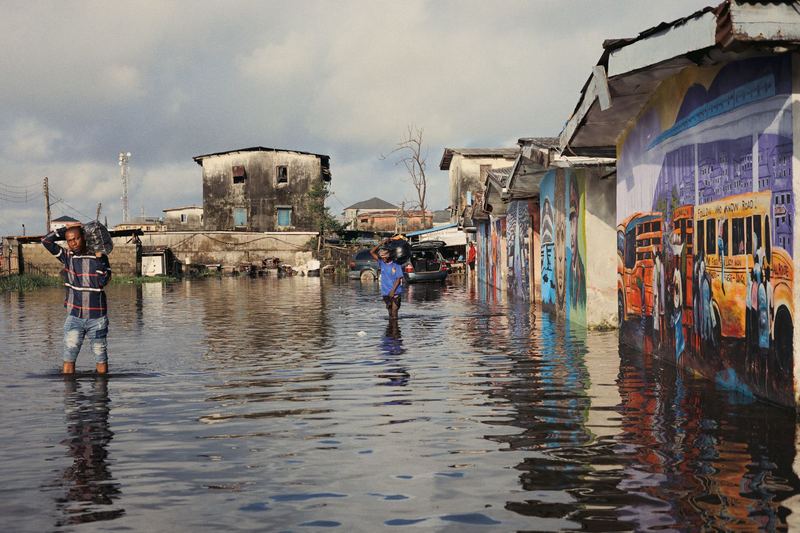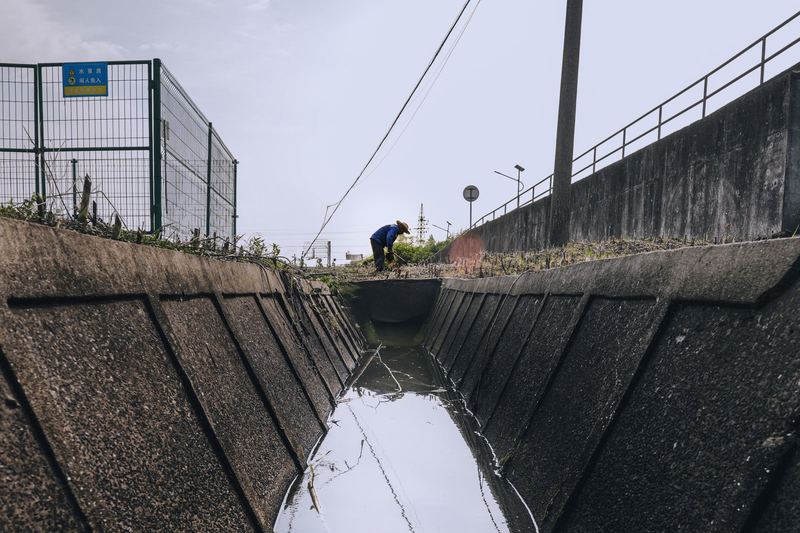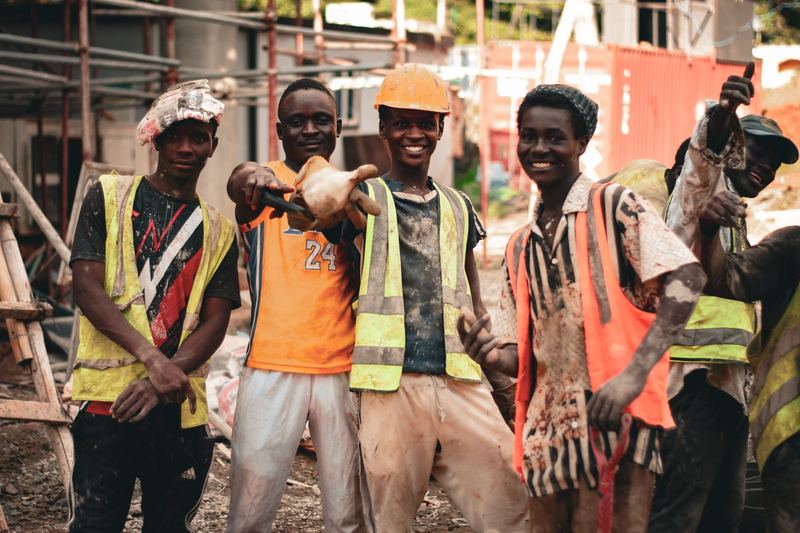

El Niño is expected to bring heavier than normal rain to much of Tanzania from November 2026 into early 2027. For homeowners and anyone building, the main risks are flooding, waterlogged foundations, roof leaks, damaged walls and stalled construction sites. Most of that damage can be prevented with a few weeks of preparation: clear and improve drainage, check the roof, raise or protect anything at ground level, and give your construction site a wet-weather plan before the heaviest rain arrives.
What is El Niño and why does it matter for Tanzania?
El Niño is a warming of the surface of the Pacific Ocean that changes weather patterns around the world. In East Africa it usually means wetter short rains (vuli) from October to December, and sometimes heavy rain that continues into January and February.
The Tanzania Meteorological Authority (TMA) warned in August 2026 that a strong El Niño was likely, with above normal to normal rainfall over much of northern and eastern Tanzania, including parts of Dar es Salaam, Tanga, Coast and Morogoro. In late October TMA widened the alert to western and southern regions, with the heaviest rain expected between November 2026 and January 2027, as reported by The Chanzo.
Tanzania has seen this before. The El Niño seasons of 1997/98 and 2023/24 brought serious floods and landslides. TMA also reminds the public that a forecast does not mean every area will get the same rain, so follow the updates for your own region.
What damage can El Niño rain do to a building?
| Risk | What it looks like | Where it starts |
|---|---|---|
| Flooding | Water entering rooms, damaged floors, furniture and electrics | Low plots, blocked drains, floors set too low |
| Foundation movement | New cracks in walls, doors that stick | Saturated soil, especially black cotton soil |
| Roof leaks | Stains on ceilings, wet insulation, rotting timber | Old sheets, failed flashings, blocked gutters |
| Damp walls | Peeling paint, mould, salt marks | Rising damp, splash-back, poor plaster |
| Erosion | Washed-out paths, exposed footings | Bare soil, water running off roofs and roads |
| Site delays | Flooded trenches, ruined materials, unsafe access | Construction sites with no wet-weather plan |

How do you protect an existing house before El Niño?
Do these in the next few weeks, in this order:
- Clear every drain, gutter and downpipe. Blocked drainage causes more flooding in Dar es Salaam homes than rain alone.
- Check the roof. Replace loose or rusted sheets, reseal ridges and flashings, and fix ceiling stains now. See our guide to roof leak repair.
- Lead water away from the walls. Downpipes should discharge onto a concrete splash pad or into a drain, at least a metre from the foundation.
- Raise what can be raised. Move sockets, electrical boards, stored goods and documents above the expected flood level.
- Seal the low points. Doors and air bricks at ground level can take flood boards or raised thresholds.
- Watch for cracks. Mark existing cracks with a pencil line and the date. If they grow after rain, call an engineer.
Our full checklist is in how to flood-proof your house before El Niño.
How do engineers design buildings for heavy rain?
Good design is the long-term answer. On new buildings, engineers in Tanzania focus on five things:
- Floor level. Set the finished floor well above the highest known flood level and the road, not level with it.
- Foundations. Design for the real soil, with a soil test where needed. Expansive black cotton soil needs special treatment; read black cotton soil foundation problems.
- Drainage. Plan surface drains, soak pits and outfalls for the whole plot. See stormwater drainage for homes.
- Roof and overhangs. Wide overhangs, correctly sized gutters and well-fixed sheets keep water off walls.
- Damp protection. A damp proof course, waterproof plinth and good external plaster stop water creeping up walls. Read our guide to waterproofing roofs and walls.
What if you are building right now?
A site under construction is more exposed than a finished house: open trenches, fresh concrete, stacked cement and unfinished roofs. Agree a wet-weather plan with your contractor before the heaviest rain. Our guide to building during the rainy season explains what to ask for, from site drainage to protecting materials and safe working.
Is El Niño a reason to stop or delay building?
Not usually. Many projects continue safely through the rains with good planning, and some work, such as interior finishes, carries on regardless. What you should avoid is rushing foundations, concrete or roofing in heavy rain without protection. If your plot floods often, use the season to watch where water goes and fix the design before you build.
Frequently asked questions
When will El Niño rains peak in Tanzania?
TMA expects the heaviest rain between November 2026 and January 2027 in many regions, with effects possibly lasting into February 2027. Check TMA's latest forecast for your region.
Will El Niño flood my house?
If your plot is low-lying, your drains are blocked or your floor is close to road level, the risk is real. Clearing drains, raising thresholds and fixing the roof before the rains cuts that risk a lot.
Should I build my foundation during El Niño?
You can, with a dry, pumped excavation, protected materials and concrete poured in dry spells. If your site floods badly, it may be better to wait and redesign drainage first.
Who can assess my house for flood and rain risk?
A qualified civil or structural engineer, registered with the Engineers Registration Board, can inspect your house and drainage and recommend repairs.
Get your building ready for the rains
Vika Construction carries out drainage works, roof repairs, waterproofing and structural repairs across Tanzania. Contact us for a site visit before the heaviest rain arrives, or see our construction services.
Found this useful? Share it with someone who is building.