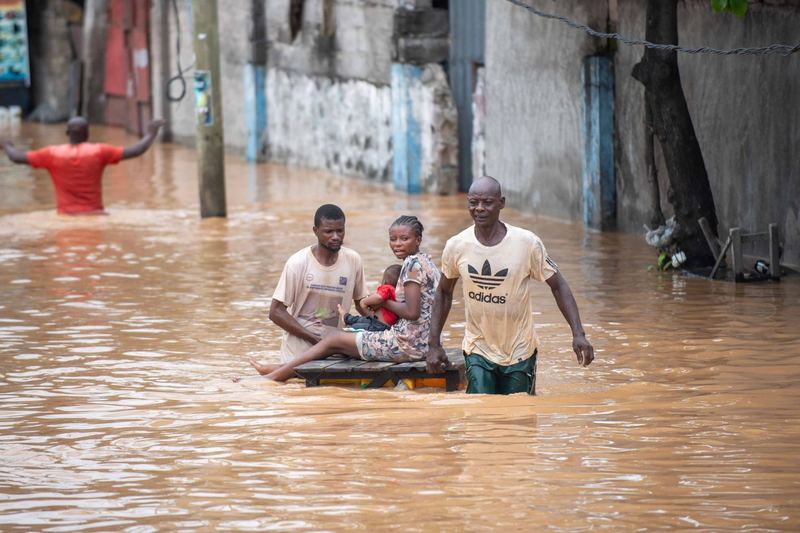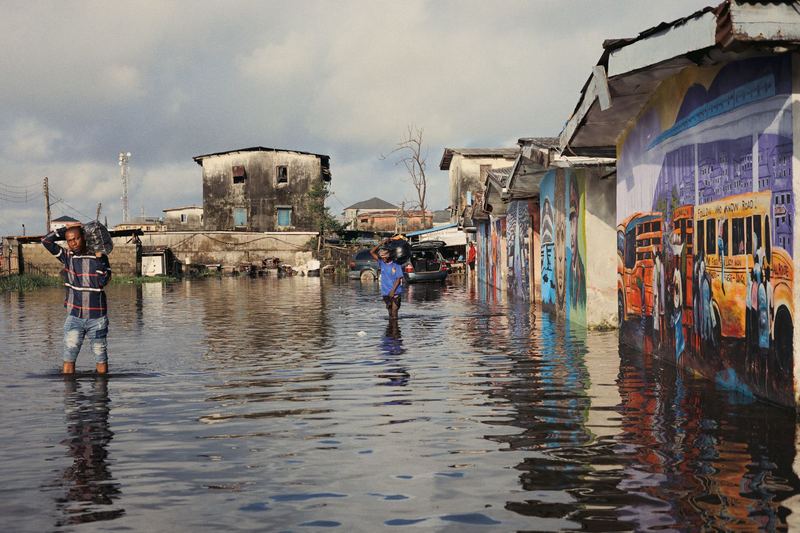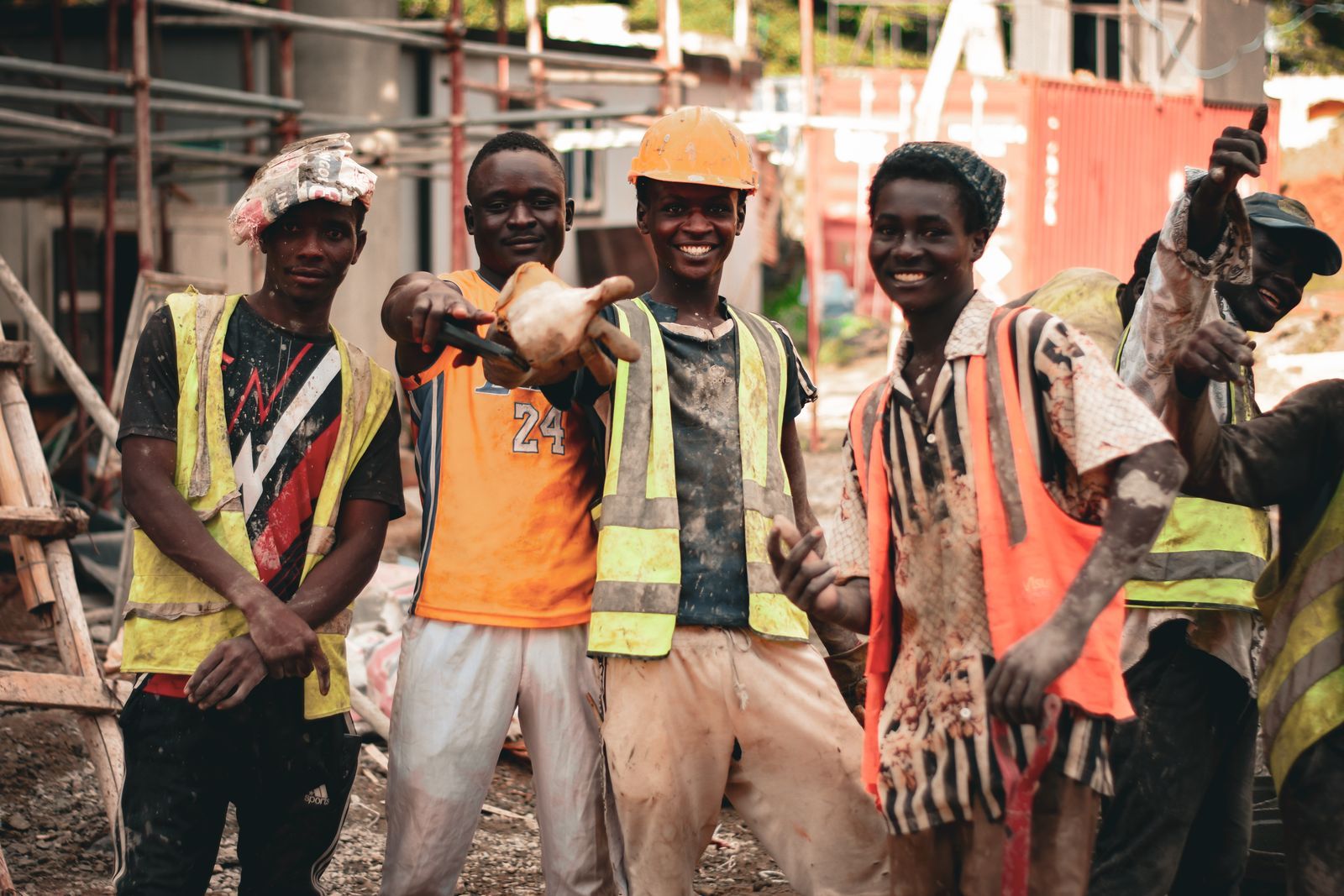
Yes, you can build during the rainy season in Tanzania, including an El Niño year, if the site has a wet-weather plan. That plan covers site drainage and pumping, dry storage for cement and steel, timing concrete pours for dry spells, protecting fresh concrete and open trenches, getting the roof on early, and keeping workers safe on wet scaffolds and in excavations. A good contractor builds rain delays into the programme instead of pretending they will not happen.
What goes wrong on construction sites in heavy rain?
- Trenches flood and their sides collapse.
- Cement gets wet and hardens in the bag.
- Fresh concrete is washed out or weakened by too much water.
- Blockwork is laid on wet, soft ground or gets soaked before plastering.
- Access roads turn to mud, so deliveries stop.
- Slips, falls and electrical risks increase.
Each of these costs money and time. Most are avoidable.
What should a rainy-season site plan include?
| Area | What good practice looks like |
|---|---|
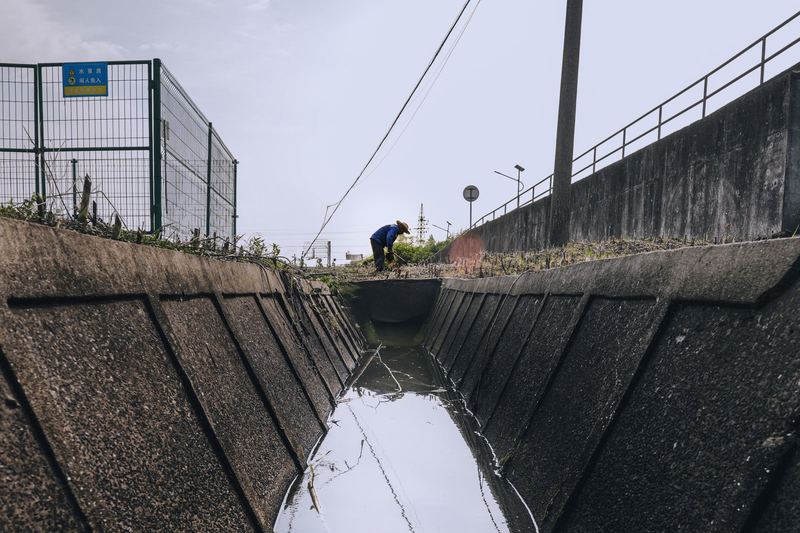
| Site drainage | Cut-off drains around excavations, a sump and a working pump on site |
| Materials | Cement on pallets under cover, steel off the ground and covered, sand and aggregate on hardstanding |
| Concrete | Pours booked for dry spells, plastic sheets ready, no extra water added to the mix |
| Excavations | Opened only when the next stage can follow quickly, with sides supported where needed |
| Roofing | Roof completed as early as possible so interior work can continue |
| Access | Hardcore on access roads, deliveries timed for dry mornings |
| Safety | Covered electrics, non-slip access, stop rules for storms and lightning |
Can you pour concrete in the rain?
Light rain after the concrete has been placed and covered is not a problem; concrete needs moisture to cure. Heavy rain during pouring is. It washes cement out of the surface and adds water that weakens the mix. Good sites:
- Check the forecast from the Tanzania Meteorological Authority before booking a pour.
- Keep plastic sheets and timber battens ready to cover the slab.
- Stop placing concrete in heavy rain and form a proper construction joint.
- Never add water to make wet concrete easier to place.
Should foundations wait until after the rains?
Not always, but take care. Open trenches in wet soil can collapse, and expansive clay swells when wet. Dig in short sections, pump water out, place blinding concrete quickly to protect the base, and do not leave trenches open for weeks. On black cotton soil, follow your engineer's design closely.
How does rain affect your schedule and cost?
A typical house programme in Tanzania loses some working days to rain each month in the wet season. Good contractors plan the order of work so that dry-weather tasks (earthworks, concrete, roofing) happen in drier periods, and indoor work (plastering, electrical, plumbing, tiling) fills the wet weeks. Read how long it takes to build a house and how to avoid cost overruns.
How do you keep workers safe in the rain?
- Stop work at height and crane work in strong wind, heavy rain or lightning.
- Keep electrical cables off the ground, with protected sockets and circuit breakers.
- Provide boots, raincoats and gloves.
- Inspect scaffolds and excavations after every storm before work restarts.
See our guide to construction site safety in Tanzania and the guidance from OSHA Tanzania.
Questions to ask your contractor before El Niño
- What is your wet-weather plan for this site?
- Where will cement and steel be stored?
- Do you have a pump and a cover plan for concrete?
- When will the roof be finished?
- How will rain delays affect the programme and the price?
Frequently asked questions
Is it cheaper to build in the rainy season?
Sometimes labour and some materials are easier to get, but delays and protection add cost. Plan for both.
Will rain damage my new blockwork?
Rain on finished blockwork is usually fine. Protect the top of fresh walls from heavy rain and let them dry before plastering.
Can roofing be done in the rainy season?
Yes, between showers, with safe access. It should be a priority so the rest of the building stays dry.
What should I do if my site floods?
Pump the water out, check excavations and foundations before work restarts, and ask your engineer to inspect any concrete that was affected.
Build with a contractor who plans for the weather
Vika Construction has kept public, banking and private projects moving through Tanzania's rainy seasons. Contact us to discuss your project, or read our El Niño guide.
Found this useful? Share it with someone who is building.