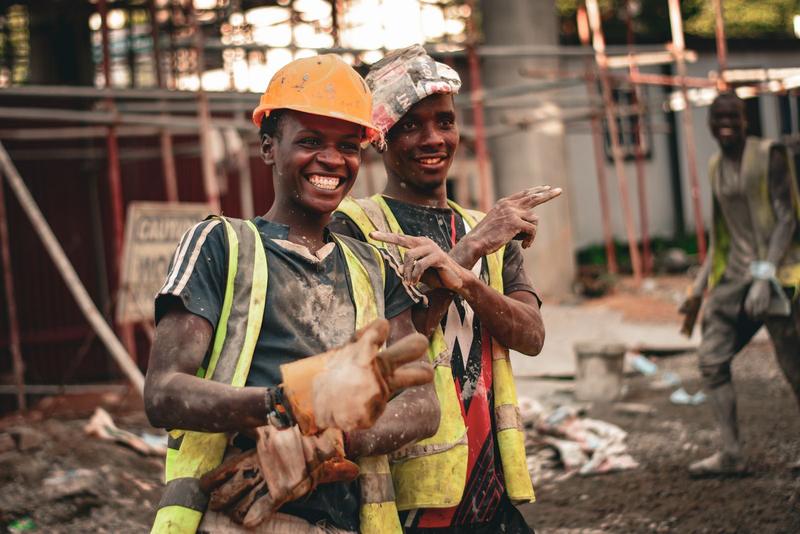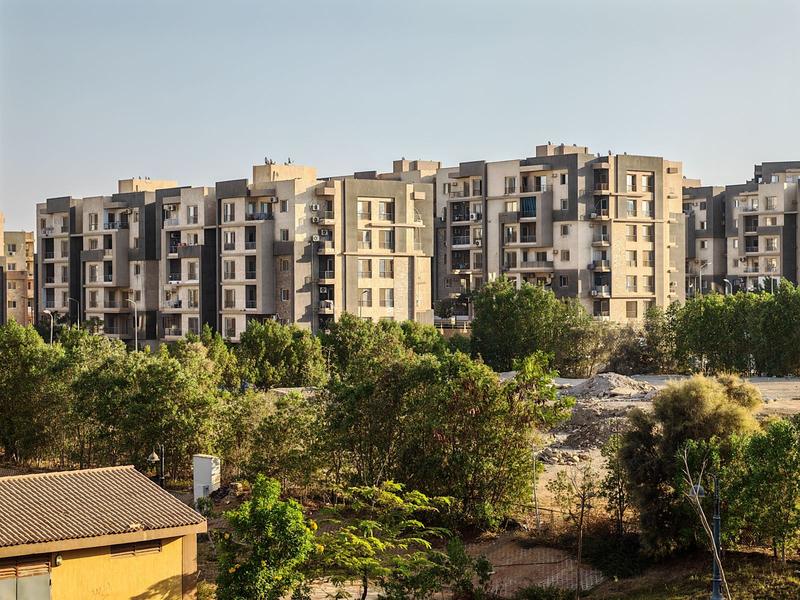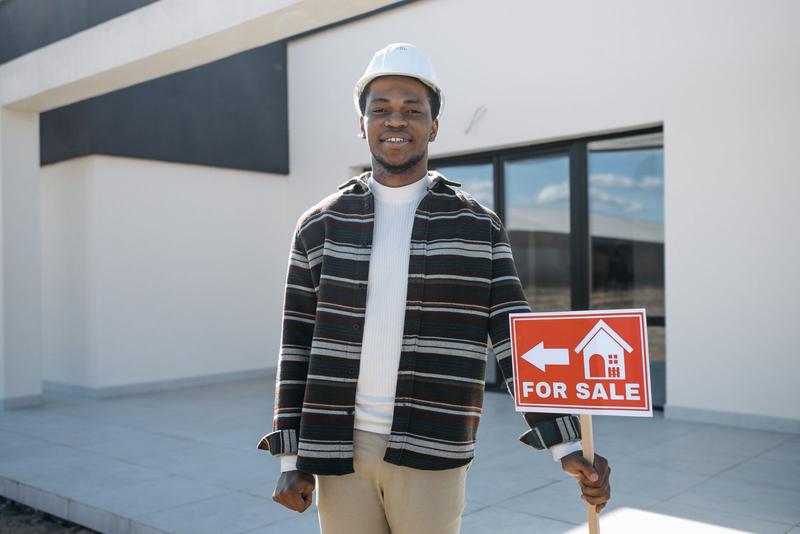
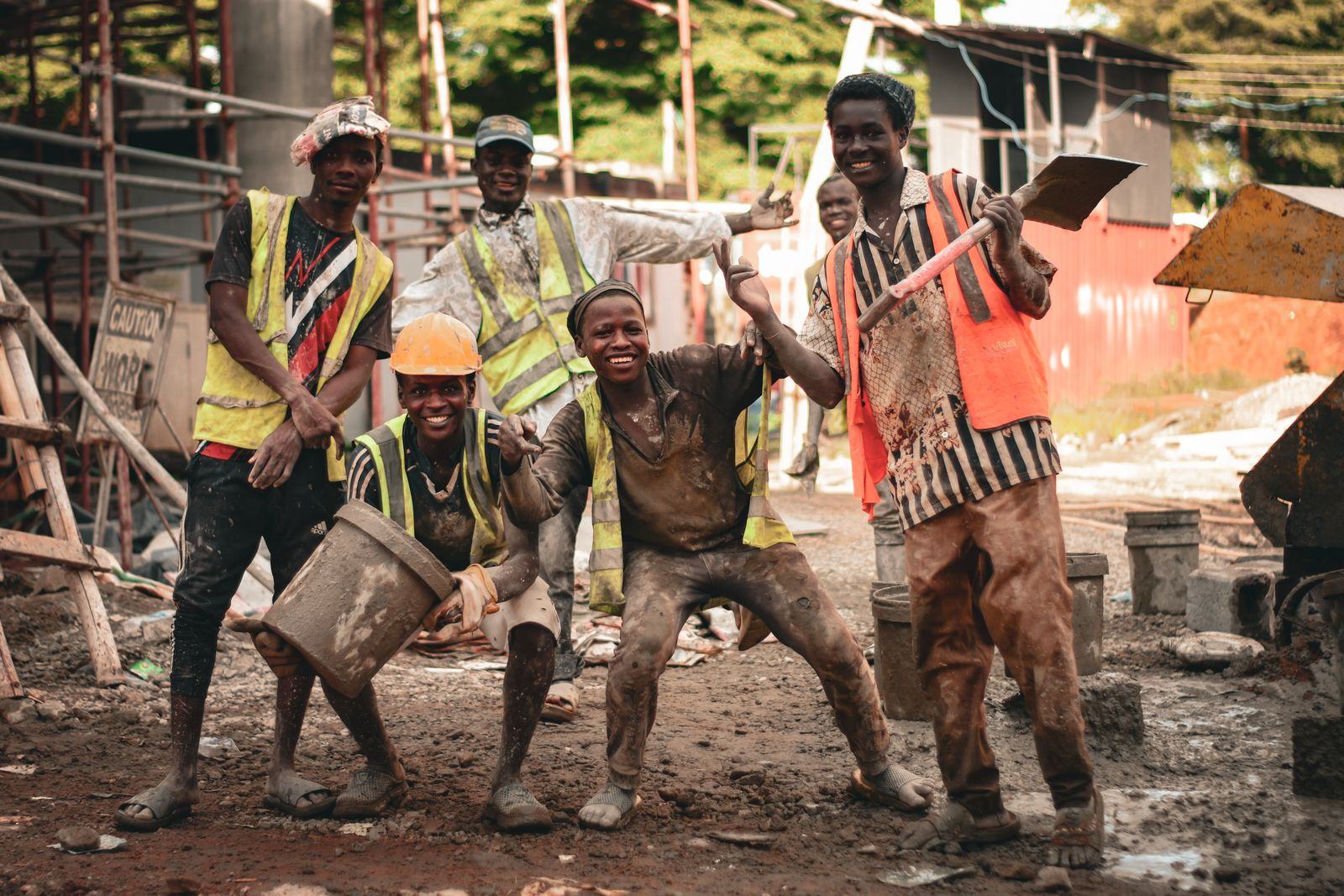
Construction creates jobs and skills in Tanzania at every level: labourers, masons, carpenters, steel fixers, electricians and plumbers on site; drivers, suppliers and block makers around it; and engineers, architects, quantity surveyors and project managers who design and manage the work. Every new house, road or office building supports many households, and the skills learned on site often become a lifelong trade or a business of their own.
Why is construction such a big employer?
Building is labour-intensive. Even with machines, most work still needs skilled hands: laying blocks, fixing steel, plastering, tiling, roofing and finishing. As towns and cities grow, demand for these skills grows too. Read why housing demand keeps rising.
Which jobs does construction create?
| Area | Jobs |
|---|---|
| On site | Labourers, masons, steel fixers, carpenters, welders, painters, tilers |
| Services | Electricians, plumbers, air conditioning technicians |
| Supply | Block makers, quarry workers, timber and hardware suppliers, drivers |
| Professional | Civil and structural engineers, architects, quantity surveyors |
| Management | Site managers, foremen, project managers, safety officers |
How do people learn construction skills?
- On the job: many fundi learn by working alongside experienced tradespeople.
- Vocational training: colleges such as those run by the Vocational Education and Training Authority (VETA) teach masonry, carpentry, plumbing, electrical work and more.
- Technical colleges and universities: for technicians, engineers, architects and quantity surveyors.
- Professional registration: engineers register with the Engineers Registration Board as they gain experience.

What makes a good construction worker?
- Skill and care in the trade, and pride in neat work.
- Safety habits: wearing protective equipment and looking out for others. See construction site safety.
- Teamwork, because every trade depends on the one before.
- Willingness to learn new materials and methods.
- Reliability: arriving on time and finishing what you start.
How can a fundi grow a career?
Many skilled workers become foremen, then supervisors. Others start their own small businesses in tiling, roofing or plumbing. Formal training and certificates help, as do good references from contractors and clients.
How do quality projects help communities?
Well-built homes, schools and roads last longer and are safer. Good contractors also pay workers fairly, provide safe conditions and pass skills to younger workers. That is how one project can strengthen a whole community.
Frequently asked questions
Is construction a good career in Tanzania?
Yes. Demand for skilled workers, engineers and managers is strong as towns and cities grow, and skills can lead to your own business.
How do I become a mason or carpenter?
Through vocational training, an apprenticeship with an experienced fundi, or both. Practical experience is essential.
What do civil engineers study?
Civil engineering at university or technical college, followed by practical experience and professional registration. Read what a civil engineer does.
Do women work in construction in Tanzania?
Yes. More women are working as engineers, architects, quantity surveyors, site managers and tradespeople.
Build with an experienced team
Vika Construction's engineers and site staff bring 4 to 30 years of experience to every project. Read about us or contact us.