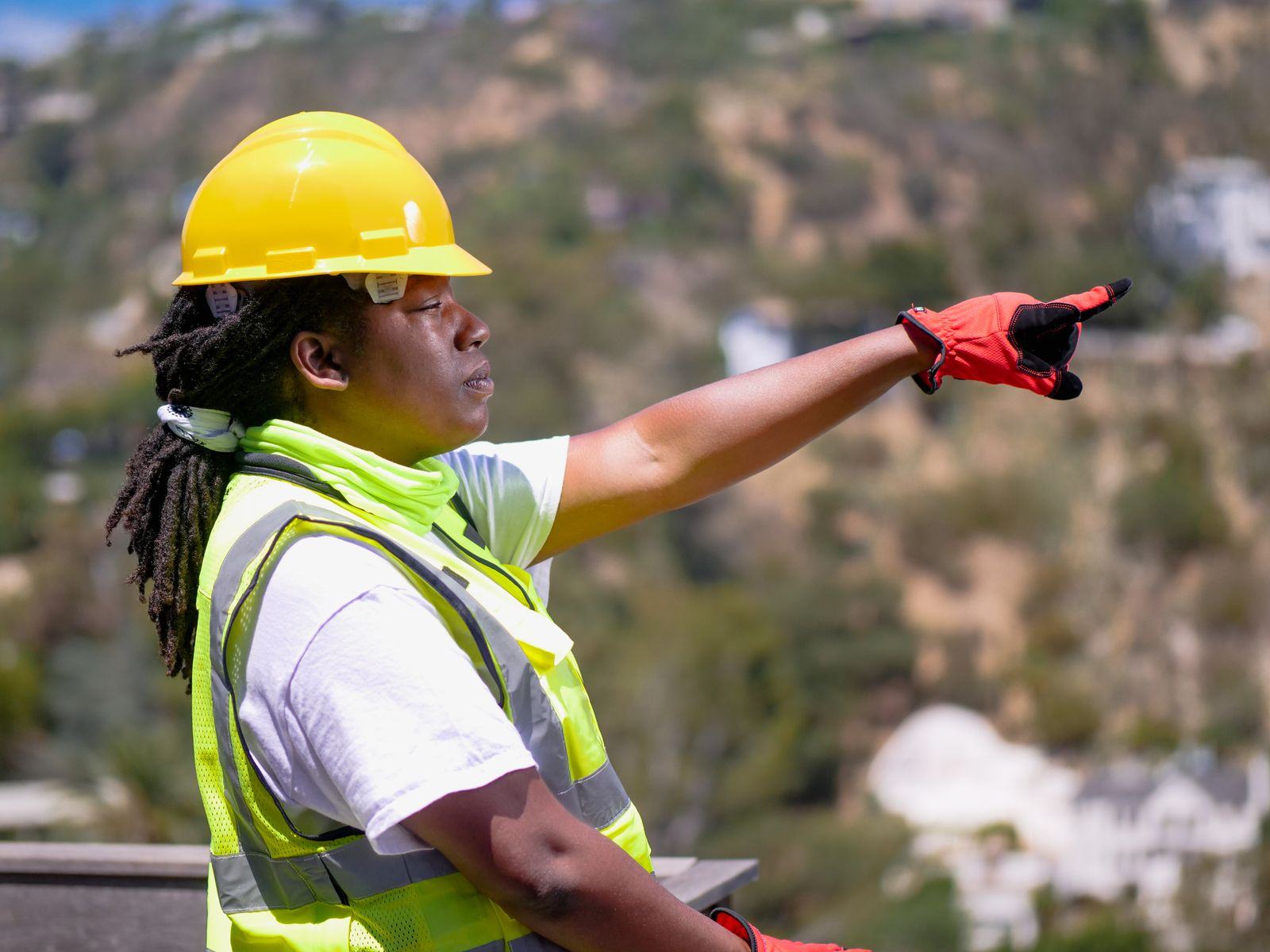
A civil engineer makes sure a building is safe, strong and built correctly. On a typical project the engineer checks the soil, designs the foundation and structure, prepares structural drawings, supervises critical work such as concrete and steel, tests materials and signs off each stage before the next begins. In Tanzania, engineers who practise professionally must be registered with the Engineers Registration Board, so you know they are qualified to take responsibility for the design.
What is the difference between an architect and an engineer?
The architect designs how the building looks, how the spaces work and how it meets planning rules. The civil or structural engineer designs how it stands up: the foundation, columns, beams, slabs and roof structure. On a good project they work together from the start.
What does a civil engineer do before construction?
- Site and soil investigation. Trial pits or soil tests to find out how strong the ground is.
- Structural design. Calculating the sizes of foundations, columns, beams and slabs, and the steel reinforcement they need.
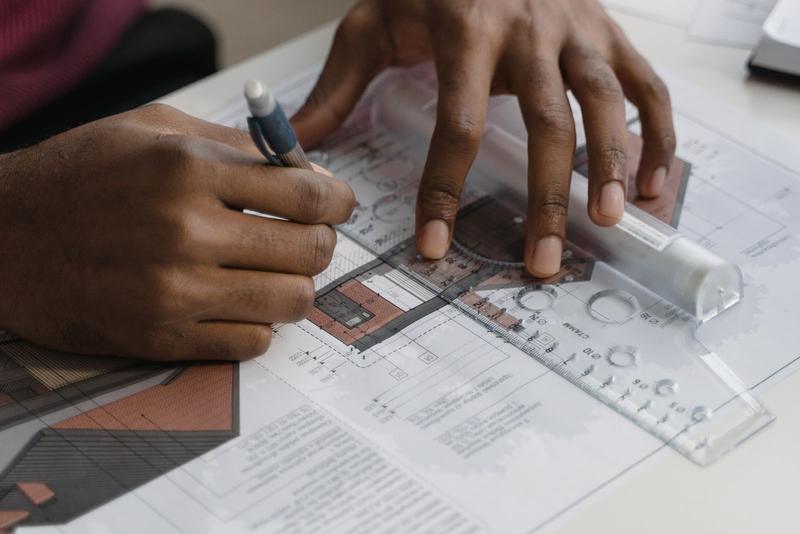
- Structural drawings. Detailed drawings that the contractor builds from, often required for the building permit.
- Drainage and site levels. Planning how water will leave the site.
What does the engineer do during construction?
| Stage | What the engineer checks |
|---|---|
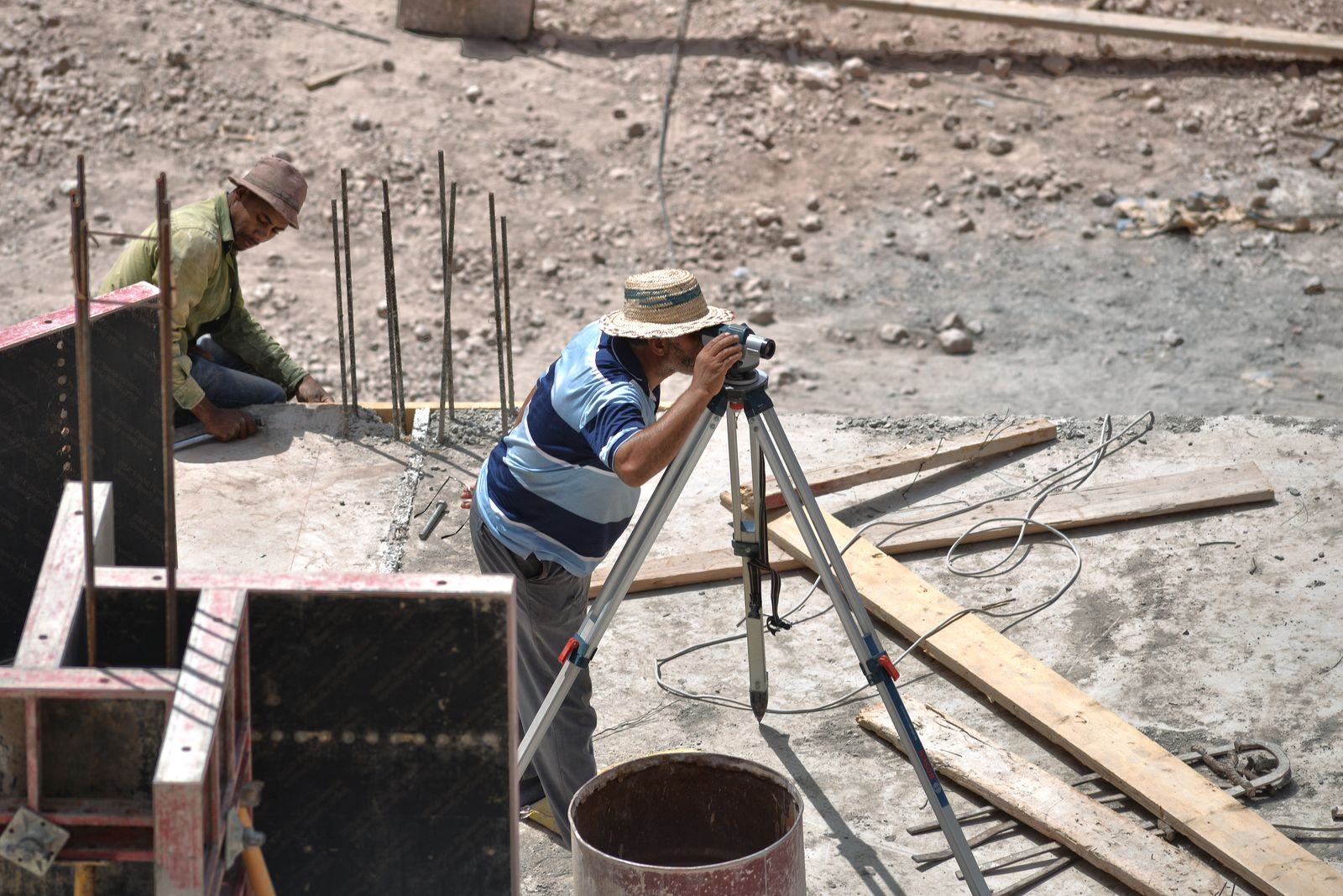
| Setting out | Building lines, levels and dimensions |
| Excavation | Depth and the condition of the soil at the bottom |
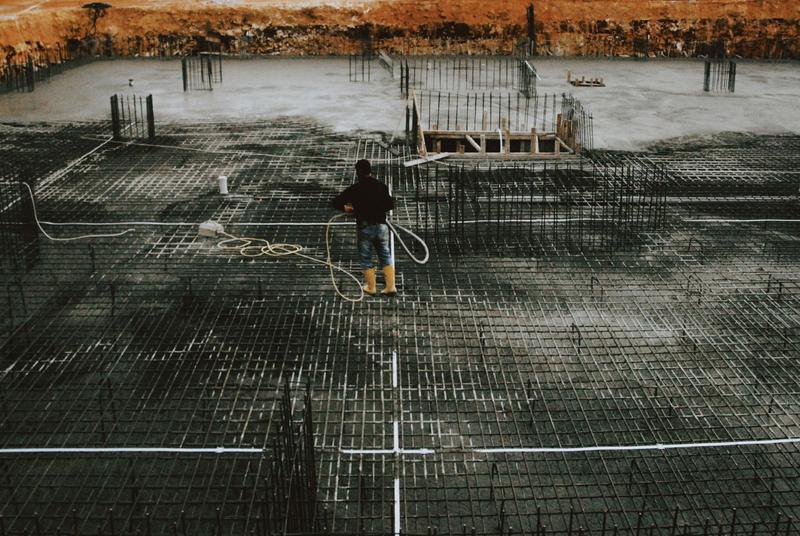
| Reinforcement | Bar sizes, spacing, cover and fixing before concrete |
| Concrete | Mix, slump, placing, compaction and curing; cube tests |
| Walls and frame | Alignment, lintels, ring beams and column positions |
| Roof structure | Truss design, fixing and bracing |
The most important rule is that no concrete is poured until the engineer has inspected the steel. Once the concrete is cast, mistakes are hidden and very expensive to fix.
Do engineers also work on roads and infrastructure?
Yes. Civil engineering covers roads, drainage, bridges, water supply and telecom infrastructure. On these projects the engineer designs pavements and drains, checks earthworks and compaction, and makes sure the work meets the specification.
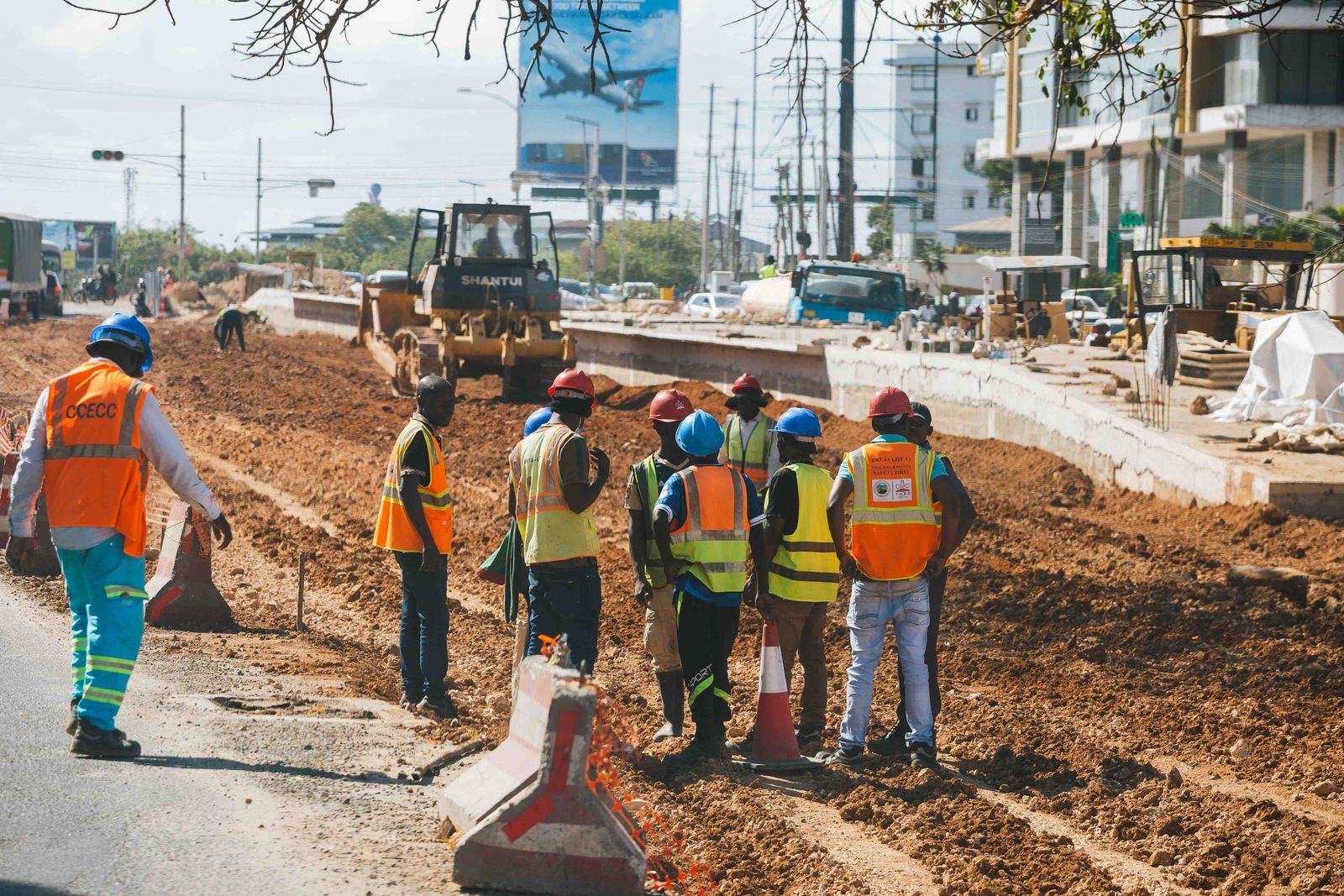
Why should you hire a registered engineer?
- Safety. Structural failures can be dangerous and are almost always caused by poor design or supervision.
- Cost. A good design uses the right amount of concrete and steel, not too little and not too much.
- Approvals. Councils require structural drawings by a registered engineer for many buildings.
- Accountability. A registered professional takes responsibility for the design.
You can check an engineer's registration with the Engineers Registration Board.
Frequently asked questions
Do I need a civil engineer for a small house?
Yes, at least for the foundation design and key inspections. Soil conditions and poor concrete are common causes of cracking in small houses.
What is a concrete cube test?
Samples of fresh concrete are cast into cubes and crushed in a laboratory after curing. The result shows whether the concrete reached the strength in the design.
Who pays for the engineer?
The client usually pays, either directly or as part of a design-and-build contract where the contractor provides the engineer.
What is the difference between a civil and a structural engineer?
Structural engineering is a branch of civil engineering focused on the strength of buildings and structures. Civil engineering also covers roads, drainage and water.
Engineers on every Vika site
Our ERB-registered engineers design and supervise every project we build. Read about our quality standards or contact us.