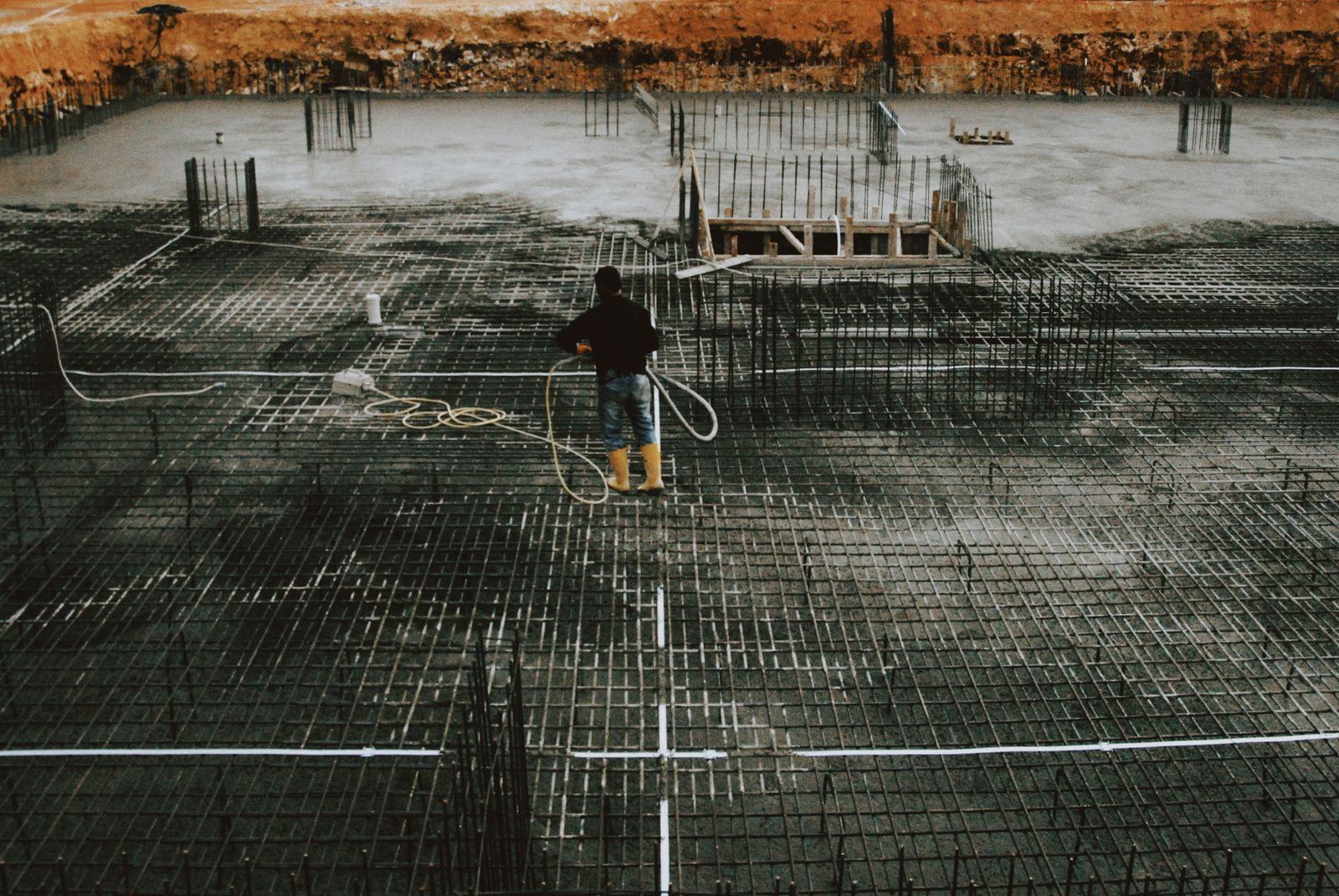
Black cotton soil is a dark, clay-rich soil that swells when it gets wet and shrinks when it dries. That movement pushes and pulls on foundations, which is why buildings on this soil often develop cracks in walls, floors and slabs. The solution is not to avoid these plots, but to design the foundation for them: engineers usually remove or replace the soil under the building, take the foundation deeper to firmer ground, or use a raft or piles, and they control water around the building.
What is black cotton soil?
Black cotton soil is an expansive clay found in several parts of Tanzania and East Africa. It is easy to recognise: dark grey to black, sticky and very soft when wet, and hard with wide cracks when dry. These cracks in the dry season are a sign of how much the soil moves.
Why is black cotton soil a problem for buildings?
The soil changes volume with its moisture content. During the rains it swells and lifts the foundation; in the dry season it shrinks and the foundation settles. Because the movement is rarely even across the building, some parts rise or drop more than others. That uneven movement is what cracks a structure.
What are the 6 most common problems?
1. Diagonal cracks in walls
Cracks running at an angle from the corners of doors and windows are a classic sign of foundation movement.
2. Cracked floor slabs
Ground floor slabs cast directly on expansive soil can lift and crack, especially in the middle of rooms.
3. Doors and windows that stick
When the frame moves out of square, doors and windows jam or no longer close properly.
4. Gaps between walls and floors
Separation at skirting level shows that the floor and walls are moving differently.
5. Broken pipes and drains
Soil movement can crack underground pipes, which then leak and make the problem worse by wetting the soil.
6. Cracked external paving and steps
Aprons, steps and paving around the house often crack first, because they are lighter and shallower.
How do engineers solve it?
The right solution depends on the depth of the expansive layer, the building load and the budget. Common approaches are:
| Solution | How it works | When it is used |
|---|---|---|
| Soil replacement | Remove the black cotton soil and replace it with compacted murram or gravel | Where the expansive layer is shallow |
| Deeper foundations | Take the footing down to firm, stable ground | Where firm ground is not too deep |
| Raft foundation | A stiff reinforced slab spreads the load and resists uneven movement | Lighter buildings on deep expansive soil |
| Piles or piers | Columns carry the load down to firm strata | Heavier or storey buildings |
| Suspended ground floor | The floor slab is supported by the foundation, not by the soil | Where floor heave is a risk |
Why is water control so important?
Most damage happens when the moisture under a building changes. Good drainage keeps it stable:
- Build a concrete apron around the building to move rainwater away from the walls.
- Install gutters and downpipes that discharge far from the foundation.
- Avoid planting large trees close to the house, as their roots dry the soil.
- Repair leaking pipes quickly.
Our article on protecting your building from flooding covers drainage in more detail.
Frequently asked questions
Can you build a house on black cotton soil?
Yes. Many safe buildings stand on black cotton soil. The key is a foundation designed for it and good drainage around the building.
How deep should a foundation be on black cotton soil?
It depends on how deep the expansive layer goes. An engineer decides after a soil investigation; sometimes it means replacing the soil, sometimes going deeper or using a raft or piles.
Can existing cracks be repaired?
Yes, but only after the cause is fixed. Filling cracks without solving the drainage or foundation problem means they will return.
How do I know if my plot has black cotton soil?
Look for dark, sticky soil that cracks widely in the dry season, and ask an engineer to dig trial pits or carry out a soil test.
Get the foundation right first
At Vika Construction our engineers assess the soil and design foundations that suit your plot. Read about our building services or contact us for advice.