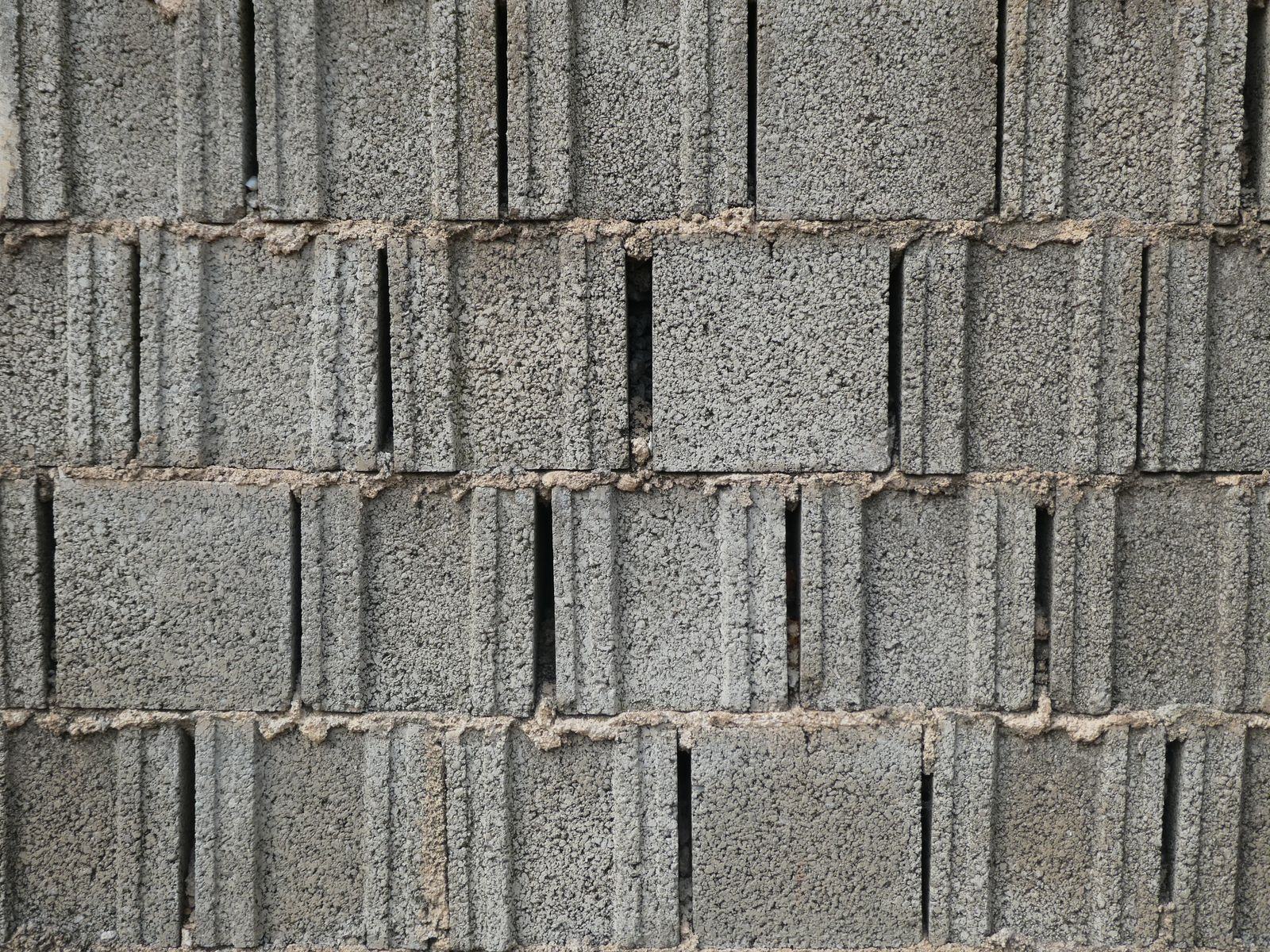
For most houses in Dar es Salaam and other coastal towns, cement (sandcrete) blocks are the most practical choice: they are widely available, quick to lay and strong enough for single and many storey buildings when used with a proper concrete frame. Burnt clay bricks are popular upcountry, look attractive and keep rooms cooler, but they are slower to lay. Interlocking soil blocks can reduce mortar and cost on suitable projects. The best choice depends on your location, design, budget and the finish you want.
What are the main walling options in Tanzania?
- Cement blocks (sandcrete blocks): made from cement, sand and water, usually hollow or solid, in 150 mm (6 inch) and 225 mm (9 inch) widths.
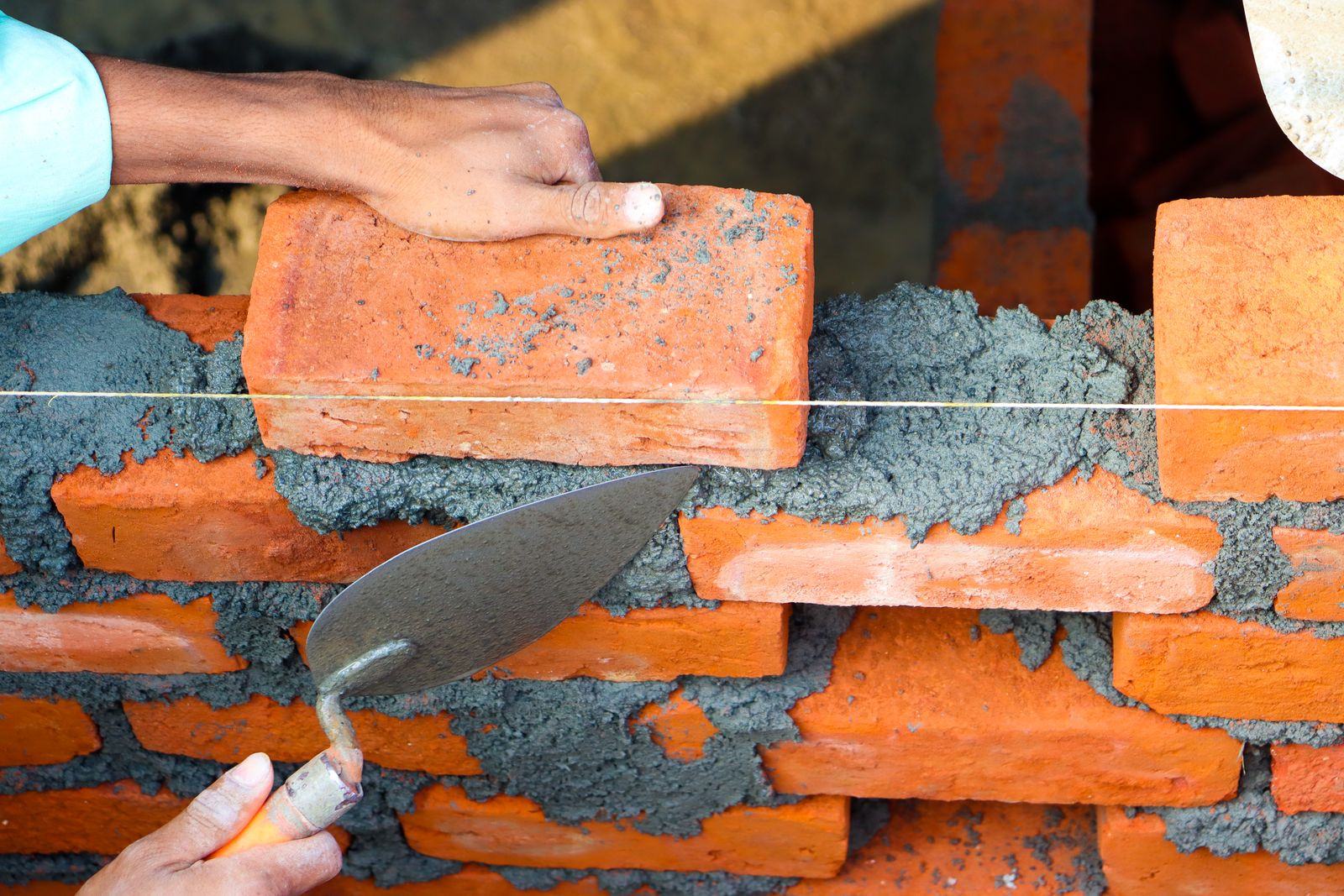
- Burnt clay bricks: fired clay bricks, common in many regions outside Dar es Salaam.
- Interlocking soil-stabilised blocks: compressed soil mixed with a little cement, shaped to lock together with less mortar.
How do blocks and bricks compare?
| Factor | Cement blocks | Burnt clay bricks | Interlocking blocks |
|---|---|---|---|
| Availability in Dar es Salaam | Very high | Medium | Medium |
| Speed of construction | Fast (large units) | Slower (small units) | Fast, less mortar |
| Strength | Good if well made and cured | Good if well fired | Good for low-rise |
| Heat comfort | Moderate | Good | Good |
| Finish | Usually plastered | Can be left exposed | Can be left exposed |
| Quality risk | Weak blocks from poor mixes | Under-fired bricks | Poor compaction |
Which is stronger: blocks or bricks?
Both can be strong. The real difference is quality control. A block made with too little cement or not cured properly can crumble, and a brick that was under-fired can absorb water and weaken. Before buying, test a few units: they should not break easily when knocked together, and their edges should be sharp and even.
For storey buildings, the walls are usually infill between a reinforced concrete frame of columns and beams, so the frame carries the load. Read more in our guide to building a storey house.
Which is cheaper?
Cost depends on your location. Near Dar es Salaam, cement blocks are often the most economical because they are made locally and lay quickly, which saves labour. In regions with good clay and kilns nearby, bricks can be competitive. Interlocking blocks can save on mortar and plaster when walls are left exposed. Always compare the total cost of the finished wall, including mortar, plaster and labour, not just the price per unit.
Which is better for a hot climate?
Burnt bricks and interlocking soil blocks hold heat more slowly, which helps keep rooms cooler. With cement blocks, good design makes the difference: cross ventilation, roof insulation, wide eaves and shading on the sunny sides of the house.
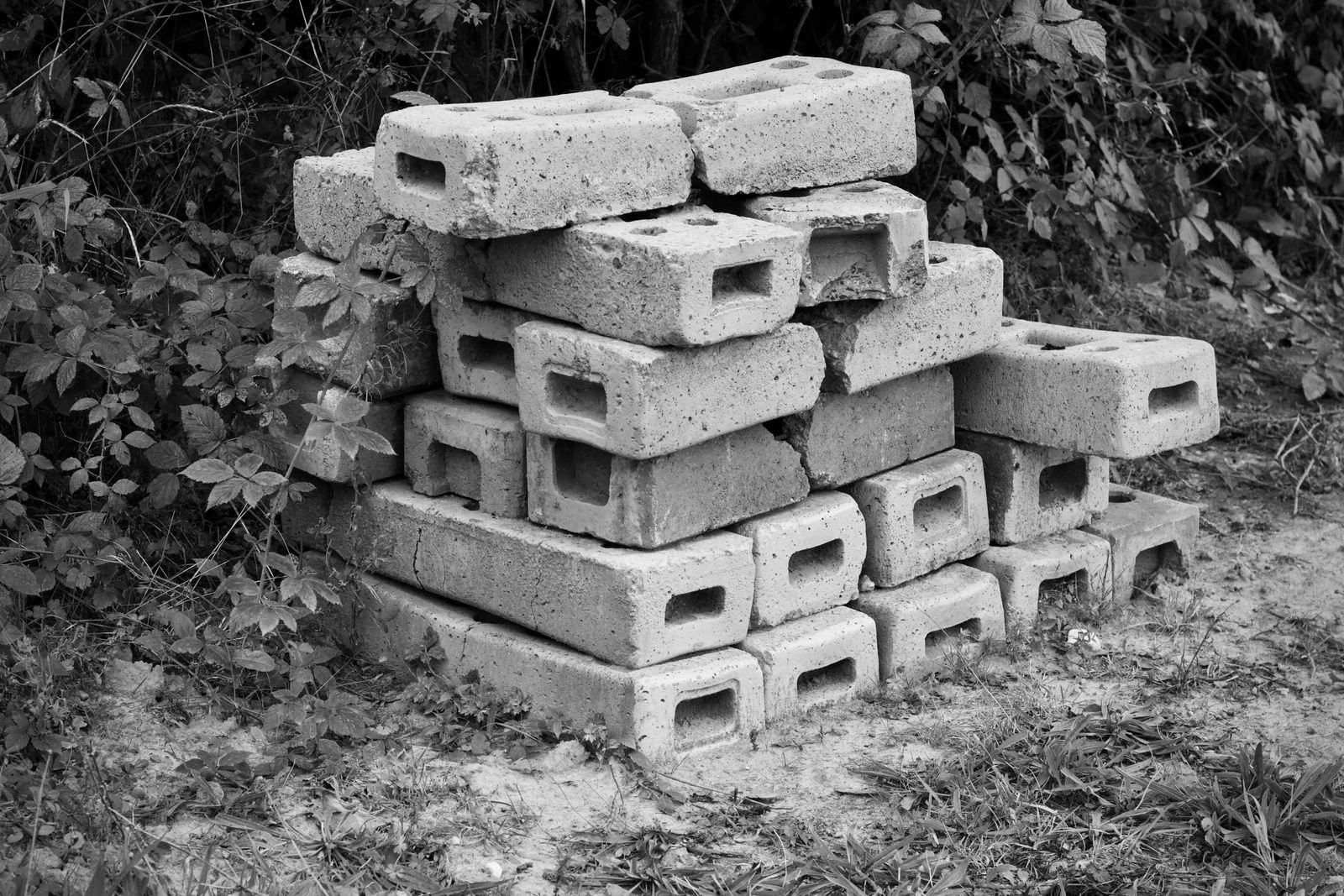
How do you check block quality on site?
- Ask how they were made: the cement-to-sand ratio and how long they were cured.
- Check size and shape: blocks should be uniform so walls stay straight and mortar joints even.
- Do a simple knock test: blocks should not chip or break easily.
- Check curing: good blocks are kept damp for several days after moulding, not used straight away.
Frequently asked questions
Are 6 inch or 9 inch blocks better?
9 inch (225 mm) blocks are usually used for external walls and load-bearing walls, and 6 inch (150 mm) blocks for internal partitions. Your engineer will specify which to use where.
Can I mix blocks and bricks in one house?
Yes, for example bricks for a feature wall and blocks elsewhere, but plan the details so the finishes and wall thicknesses work together.
Do interlocking blocks need plaster?
Not always. They can be left exposed with a sealant, which saves on plaster and paint, but they need careful laying to look neat.
How many blocks do I need for a house?
It depends on the wall lengths, heights and openings. Your BOQ calculates the quantity; see our guide to the bill of quantities.
Get the right materials for your plot
Our engineers recommend walling materials that suit your design, location and budget. Talk to Vika Construction about your house.