Most construction cost overruns come from the same few causes: the design changes after work starts, the quote did not include everything, materials are wasted or stolen, and payments are not linked to progress. You can avoid most of them by fixing the design before construction, pricing the full scope in a bill of quantities, keeping a contingency, and controlling changes and payments carefully. These eight habits make the biggest difference.
1. Finish the design before you build
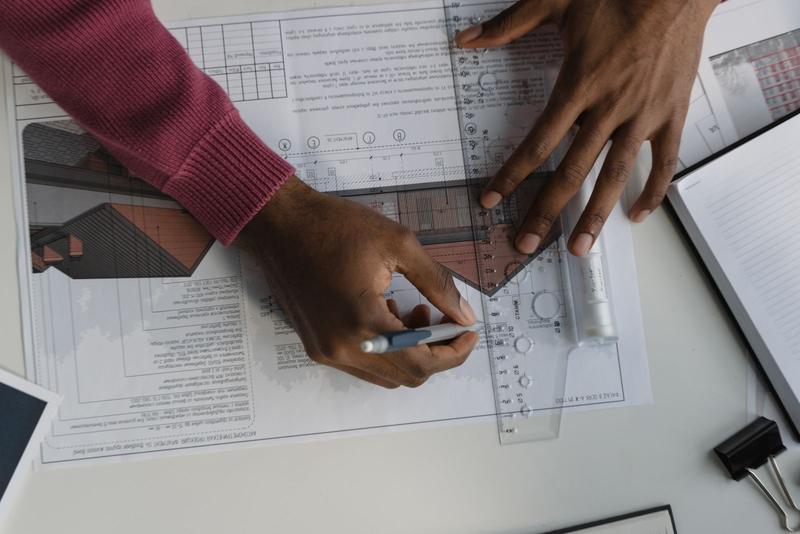
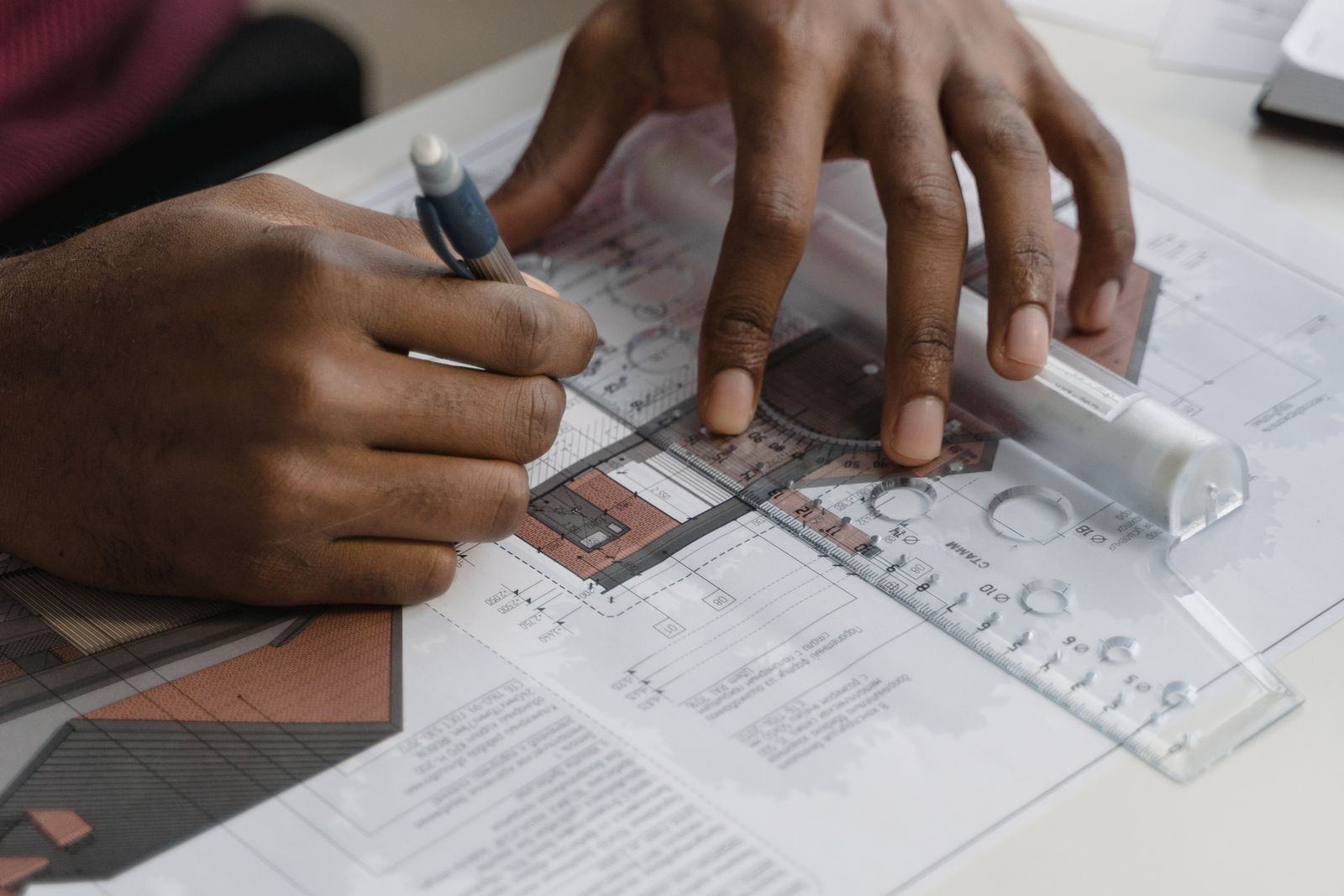
Every change during construction costs more than the same change on paper, because work has to be undone and redone. Take time with your architect to confirm room sizes, window positions, finishes and future needs before the first excavation.
2. Price the full scope in a BOQ
A bill of quantities lists every item with its quantity and rate. It reveals missing items early, such as external works, ceilings or the septic tank. Read our guide on the bill of quantities.
3. Keep a contingency
Unexpected costs will happen: poor soil, price rises or a late design decision. Keep a contingency of around 10% to 15% of the construction cost, and use it only for genuine surprises.
4. Agree how changes are priced
Write into the contract how variations are approved and priced. Every change should be agreed in writing, with its cost and time impact, before the work is done.
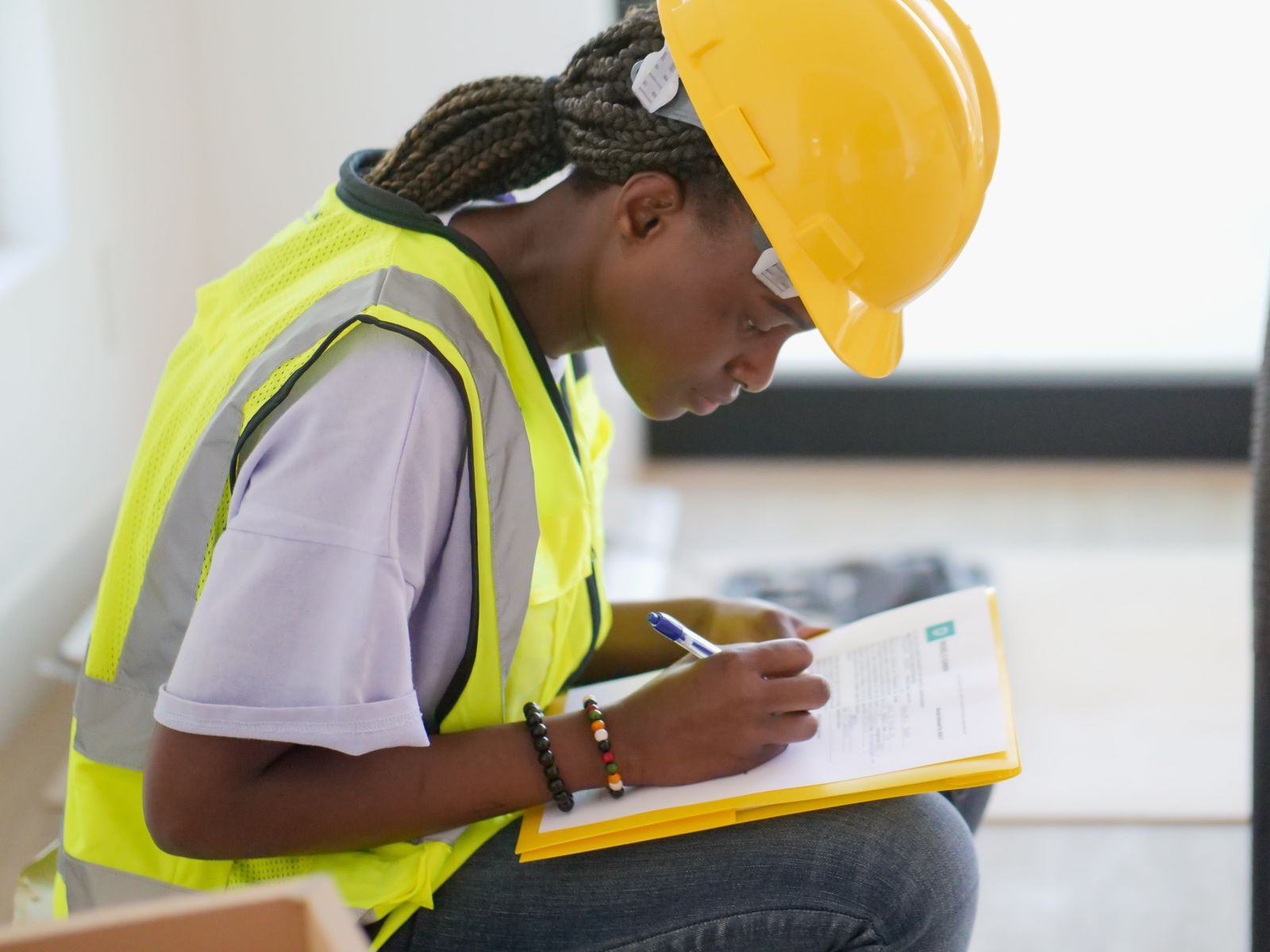
5. Link payments to progress
Pay for completed and checked work, not for dates on a calendar. A clear payment schedule protects both you and the contractor.
6. Control materials on site
Materials are a large share of the budget. Keep a secure store, record deliveries and use, and buy in quantities that match the programme so cement does not harden and steel does not rust.
7. Plan around the weather
Heavy rains can stop excavation, flood foundations and damage materials. Plan the foundation and roofing outside the peak rainy season where possible, and protect exposed work. See our tips on protecting buildings from flooding.
8. Get the structure right the first time
Repairs to cracked walls or weak concrete are among the most expensive surprises. A registered engineer inspecting critical stages costs far less than fixing structural problems later. Read what a civil engineer does.
Causes and fixes at a glance
| Cause of overrun | How to prevent it |
|---|---|
| Design changes during construction | Fix the design and finishes early |
| Missing items in the quote | Use a full, priced BOQ |
| Price rises | Contingency and early purchase of key materials |
| Waste and theft | Secure store and material records |
| Rework | Engineer inspections before each stage |
| Weather delays | Programme around the rains |
Frequently asked questions
What is a reasonable contingency for a building project?
Around 10% to 15% of the construction cost is common for residential projects. Complex or renovation projects may need more.
What is the most common cause of cost overruns?
Design changes after construction starts, followed by quotes that did not include the full scope.
Is a fixed-price contract better?
A fixed price gives more certainty if the design is complete. If the design is still changing, the price will change too.
How do I know if my project is on budget?
Compare the value of completed work with the payments made and the BOQ, at each stage. Your contractor should report this regularly.
Keep your project on budget
Vika Construction prices projects in detail and reports progress and costs at each stage. Talk to us about planning your build properly.