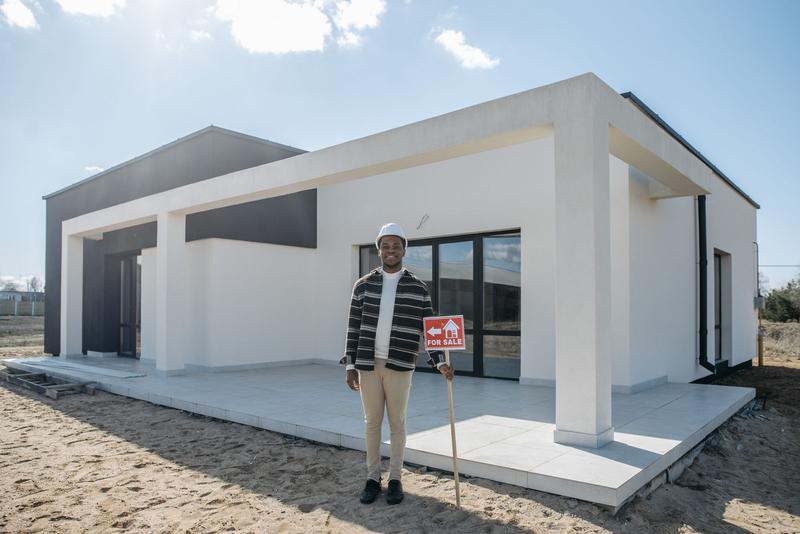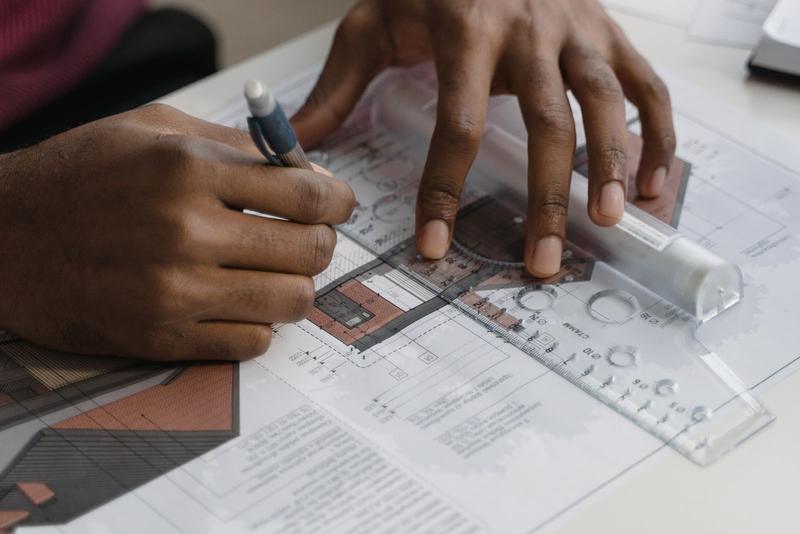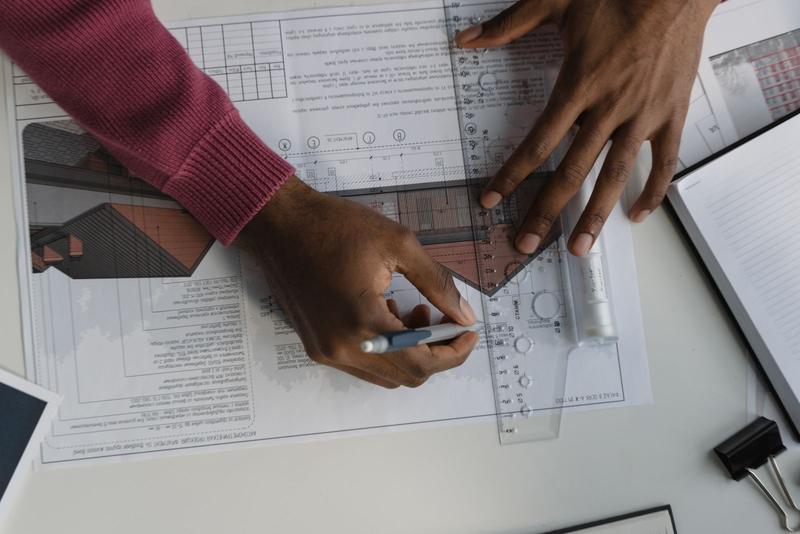

Most Tanzanians finance a new home through a mix of savings and building in phases, often supported by a bank loan, a SACCO loan or an employer scheme. The key to financing a house well is to know the full cost from a priced bill of quantities, split it into clear stages, and only start a stage when the money for it is secured. That way you avoid unfinished structures left exposed for years and costly borrowing you did not need.
What are the main ways to finance a house?
| Option | How it works | Good for |
|---|---|---|
| Personal savings | Pay for each stage from savings | Low debt, steady progress |
| Building in phases | Complete one stage at a time as money allows | Families without large lump sums |
| Mortgage or home loan | A bank lends against the property | Buying or building with a larger budget |
| Construction loan | A bank releases money in stages as work progresses | Planned builds with drawings and a BOQ |
| SACCO loan | A savings and credit cooperative lends to members | Members with regular savings |
| Employer schemes | Staff housing loans or support | Employees of participating employers |
How does building in phases work?
Split the project into logical stages, each one finished properly before the next:
- Foundation and ground slab.
- Walls up to the ring beam.
- Roof, so the structure is protected.
- Doors, windows, plumbing and electrical first fix.
- Plaster, ceilings and floors.
- Finishes, fittings and external works.
The roof is the most important milestone. Once the house is roofed, it can wait safely until the next stage. Read about how long each stage takes.
What should you know about home loans?
Several banks in Tanzania offer mortgages and construction loans, and the Tanzania Mortgage Refinance Company supports banks that lend for housing. Lenders usually ask for:
- Proof of income and bank statements.
- A clear title for the land.
- Approved drawings and a building permit.
- A priced bill of quantities or a valuation.
- A deposit or your own contribution.
Interest rates and terms change over time, so compare several banks and read the full cost of the loan, not only the monthly payment. The Bank of Tanzania publishes information on interest rates and the financial sector.
How much should you borrow?
A simple rule is to keep loan repayments at a level that still leaves room for living costs and emergencies. As an illustration, a monthly repayment of TSh 800,000 (about USD 310) should feel comfortable on your income even if other costs rise. USD figures are approximate, using roughly TSh 2,600 per USD.
How do you stay in control of the money?
- Get a priced BOQ and keep a contingency of 10% to 15%; see avoiding cost overruns.
- Pay the contractor for completed stages, not in advance.
- Keep records and receipts for every payment.
- Avoid design changes after construction starts.
Frequently asked questions
Can I get a loan to build a house in Tanzania?
Yes. Banks offer mortgages and construction loans, and SACCOs and some employers offer housing loans. Requirements vary, so compare options.
Is it better to build in phases or take a loan?
Building in phases avoids debt but takes longer. A loan speeds things up but adds interest. Many families combine both.
What documents do banks need for a construction loan?
Usually proof of income, a clear land title, approved drawings, a building permit and a priced BOQ.
How do I avoid an unfinished house?
Plan stages that each end in a protected structure, secure the money for a stage before starting it, and prioritise getting the roof on.
Get a stage-by-stage price for your house
Vika Construction prepares priced BOQs and stage budgets that make saving and borrowing easier. Contact us to plan your build.