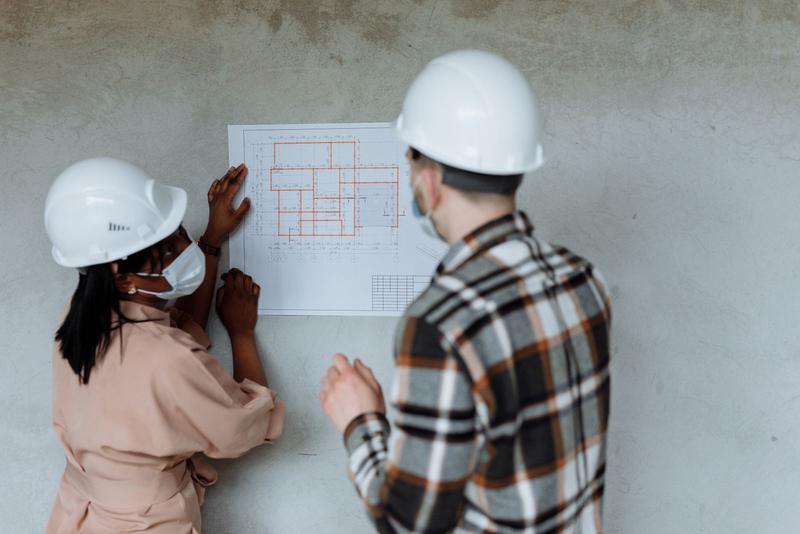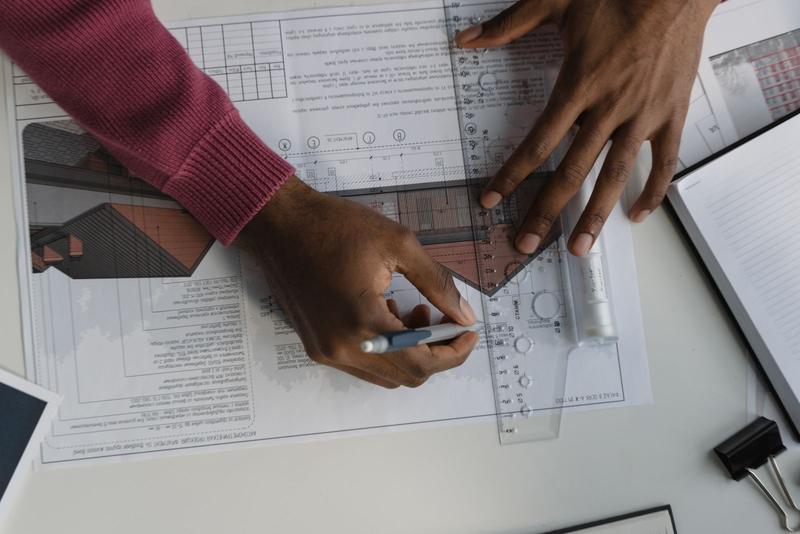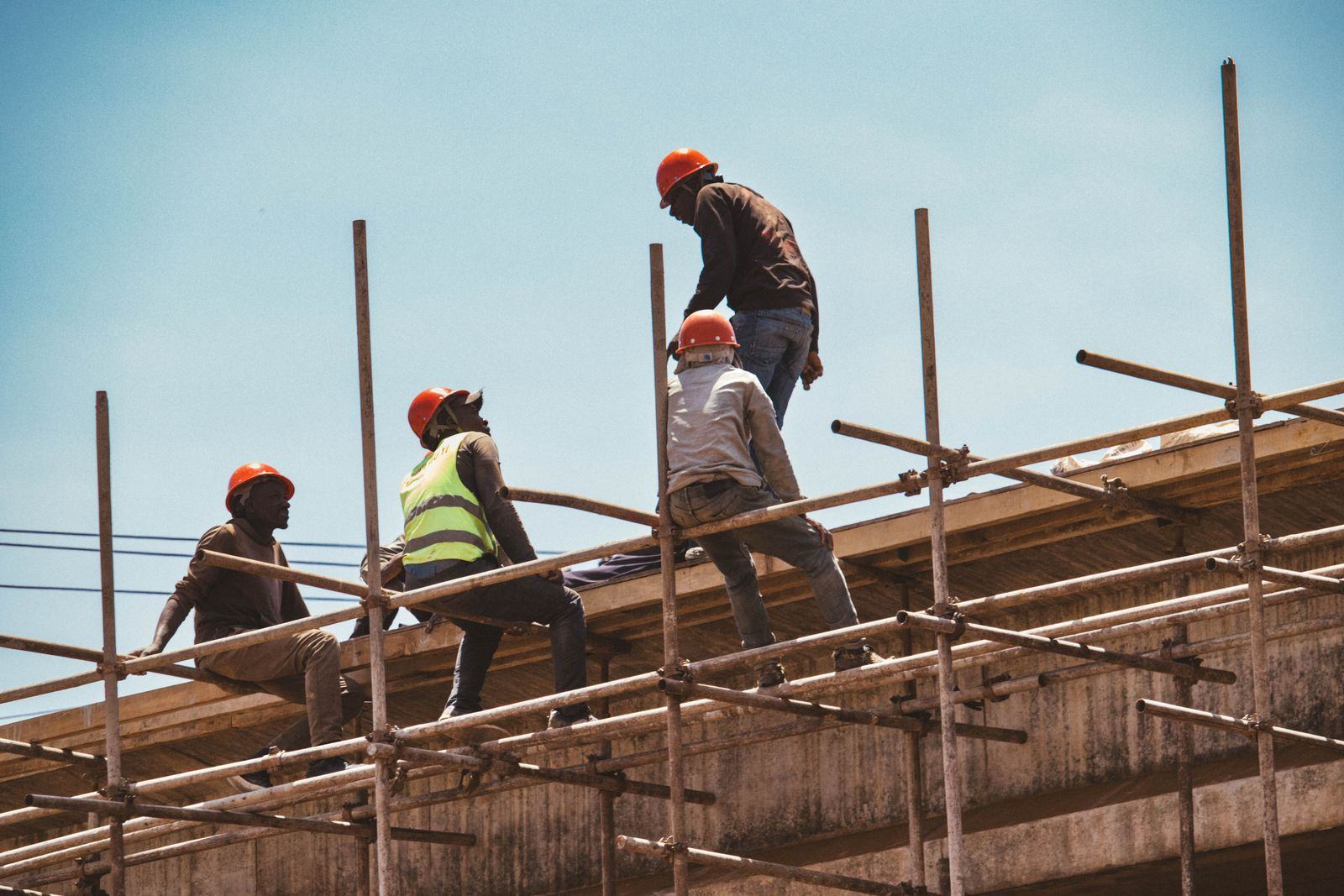
With complete drawings, an approved permit and steady funding, a standard single-storey house in Tanzania can often be built in roughly four to eight months, while a storey building usually takes longer. Many houses take much longer because they are built in phases as money becomes available. The biggest factors are the size and complexity of the design, the approvals, the soil, the weather, the availability of materials and, above all, consistent funding.
What is a realistic timeline by stage?
The table below shows typical durations for a standard bungalow with steady funding and no major problems. Use it for planning only.
| Stage | Typical duration |
|---|---|
| Design and drawings | 2 to 6 weeks |
| Building permit | Depends on the council and completeness of documents |
| Site preparation | 1 to 2 weeks |
| Foundation | 2 to 4 weeks |
| Walls, lintels and ring beam | 4 to 8 weeks |
| Roofing | 2 to 3 weeks |
| Plumbing and electrical first fix | 2 to 3 weeks |
| Plaster, ceilings, tiles and paint | 6 to 10 weeks |
| External works and handover | 2 to 4 weeks |
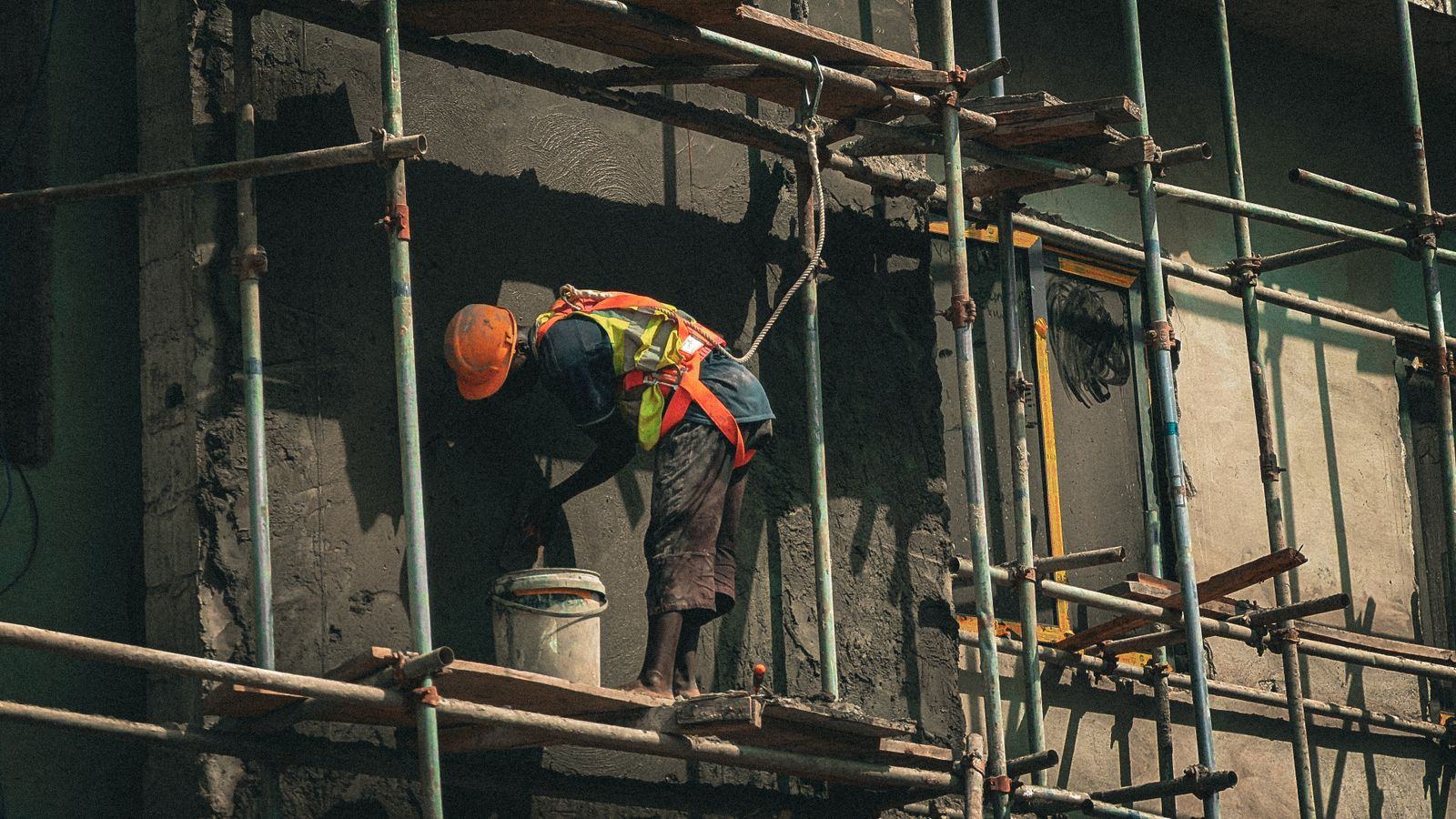
Why do some houses take years to build?
Building in phases is very common in Tanzania and it is a sensible way to avoid debt. The trade-off is time: each pause adds remobilisation, price changes and the risk of exposed work being damaged by weather. If you build in phases, plan logical stopping points, such as after the roof is on, so the structure is protected. Read how to finance building a house for ways to fund each stage.
What causes delays on a building project?
- Funding gaps: the most common reason sites stop.
- Design changes: decisions made during construction cause rework and waiting.
- Approvals: incomplete documents slow down the permit.
- Weather: heavy rains stop excavation and concrete work.
- Materials: late deliveries or shortages of cement, steel or finishes.
- Soil problems: unexpected ground conditions may need a new foundation design.
- Labour and supervision: a site without a clear manager loses days.
How can you build faster without cutting corners?
- Complete the design and BOQ before starting, so there are no surprises.
- Secure funding for each stage before it begins.
- Order materials ahead of each stage, especially long-lead finishes.
- Plan around the rains, with the foundation and roof done in drier months where possible.
- Work with one contractor who coordinates all the trades.
- Hold regular site meetings and make decisions quickly.
How long does a storey building take?
A storey building adds columns, beams, slabs and stairs, each with formwork and curing time. Each floor commonly adds several weeks or more to the structure stage, depending on its size. Read more in our guide to building a storey house.
Frequently asked questions
Can a house be built in three months?
A small, simple house with complete drawings, materials ready and steady funding can move quickly, but most houses take longer once approvals, curing times and finishes are included.
What is the slowest stage of building a house?
Finishes often take the longest, because many trades are involved and choices about tiles, fittings and colours can delay work.
Does rain season affect construction time?
Yes. Heavy rains can stop excavation, flood foundations and delay concrete and roofing. Planning around the rainy seasons saves time.
How can I track progress if I live abroad?
Ask for a programme and regular photo reports. Read our guide to building in Tanzania from abroad.
Get a realistic programme for your house
Vika Construction prepares a stage-by-stage programme with your BOQ, so you know how long each stage takes and what it costs. Contact us to plan your build.