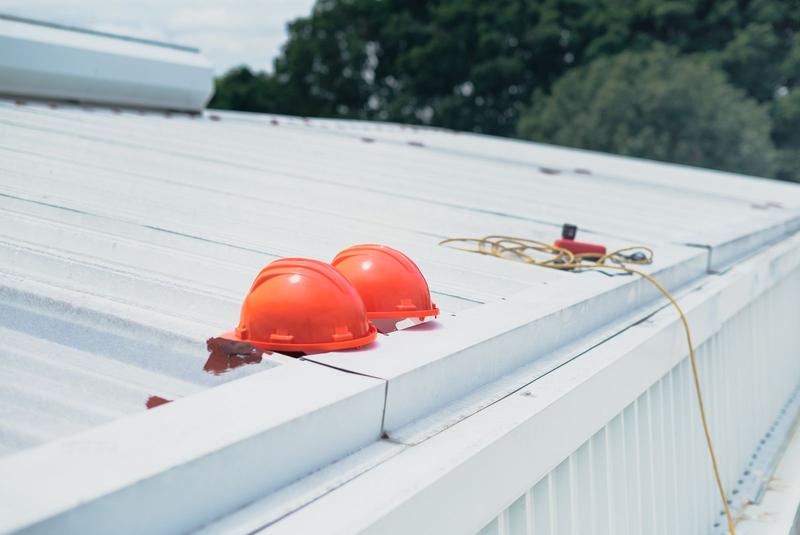
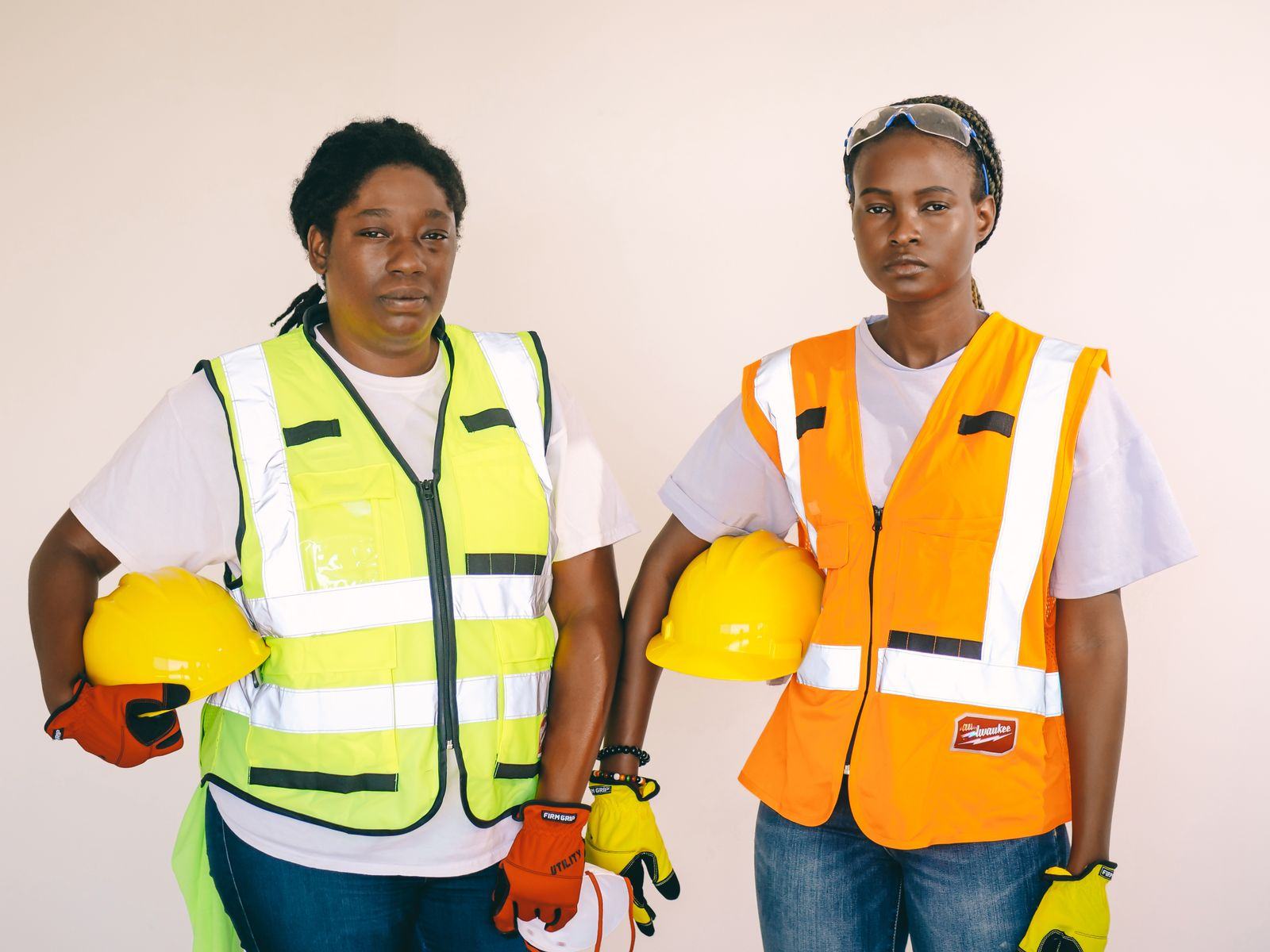
Every construction site in Tanzania should have the basics in place before work starts: personal protective equipment for everyone on site, safe scaffolding and ladders, protected excavations, safe electrical connections, a first aid kit and a trained person, a fenced and signed site, and a daily habit of checking hazards. Workplace safety is regulated by the Occupational Safety and Health Authority (OSHA), and a safe site is also a better run, more productive site.
Why does site safety matter?
Safety protects the people who build. Read about a day on a construction site to meet them.
Construction is one of the most dangerous industries. Falls from height, collapsing excavations, falling objects and electrical shocks cause serious injuries. Accidents also stop work, damage reputations and can lead to legal action. Safety is part of quality, not something separate from it.
Who regulates workplace safety in Tanzania?
The Occupational Safety and Health Authority (OSHA) oversees workplace safety under Tanzania's occupational health and safety law. Employers have a duty to provide a safe workplace, protective equipment and training, and workplaces may be registered and inspected.
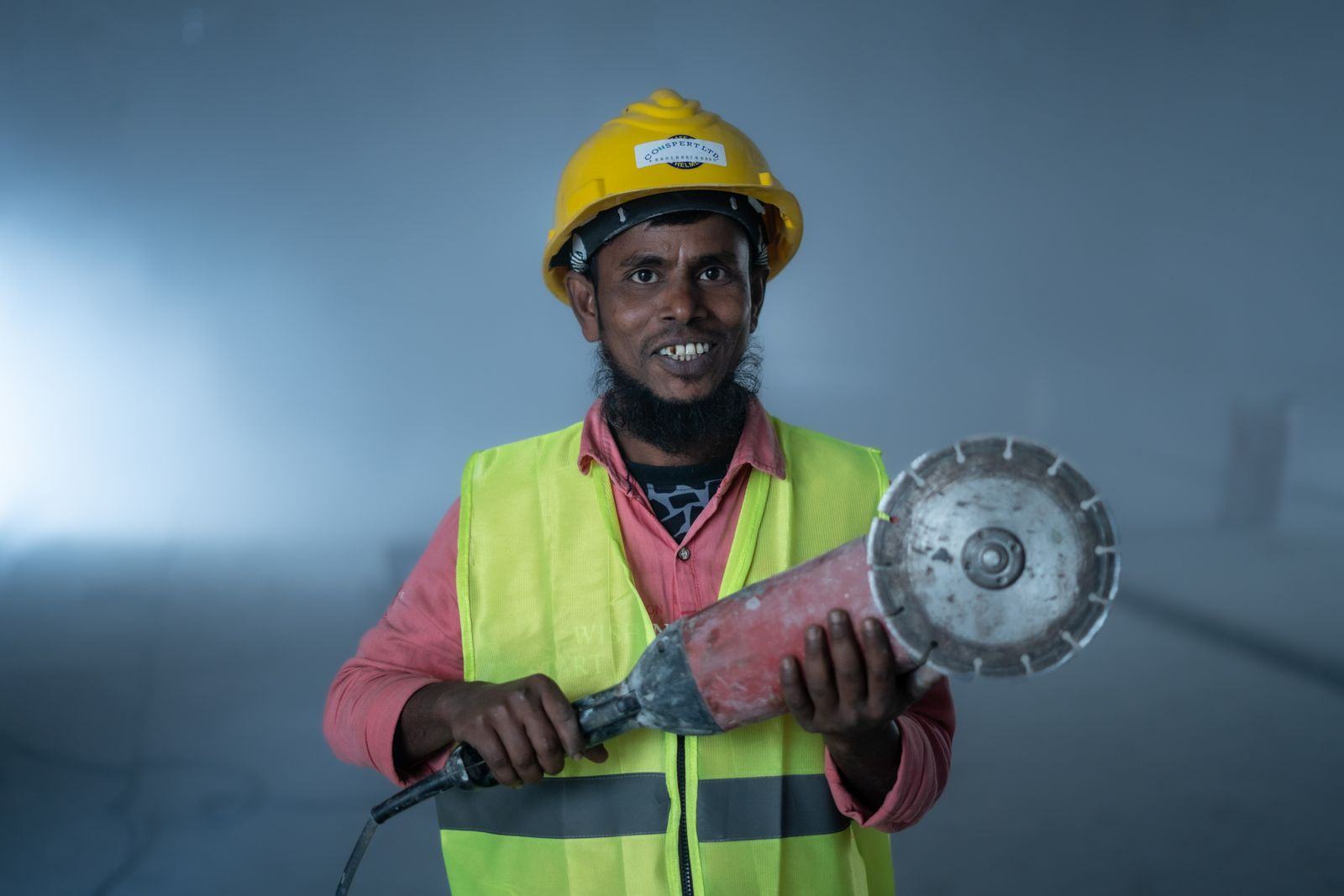
What PPE is needed on a construction site?
| Equipment | Protects against |
|---|---|
| Hard hat | Falling objects and head bumps |
| Safety boots | Nails, falling materials and crushing |
| High visibility vest | Being hit by vehicles and machinery |
| Gloves | Cuts, cement burns and abrasion |
| Safety glasses | Dust, chips and splashes |
| Ear protection | Noise from cutting and machinery |
| Dust masks | Cement and cutting dust |
| Harness | Falls when working at height |
How do you prevent falls from height?
- Build scaffolding on firm ground with base plates, bracing and guard rails.
- Use ladders that are in good condition, tied at the top and set at the right angle.
- Cover or guard openings in slabs and edges of roofs.
- Use harnesses where guard rails are not possible.
How do you make excavations safe?
Trenches and foundation pits can collapse without warning, especially after rain. Support or slope the sides of deep excavations, keep spoil heaps away from the edge, provide safe access in and out, and never work alone in a deep trench.
What about electrical and machinery safety?
Use proper distribution boards with earth leakage protection, keep cables off the ground and away from water, and allow only trained operators to use machines such as mixers, vibrators and cutters.
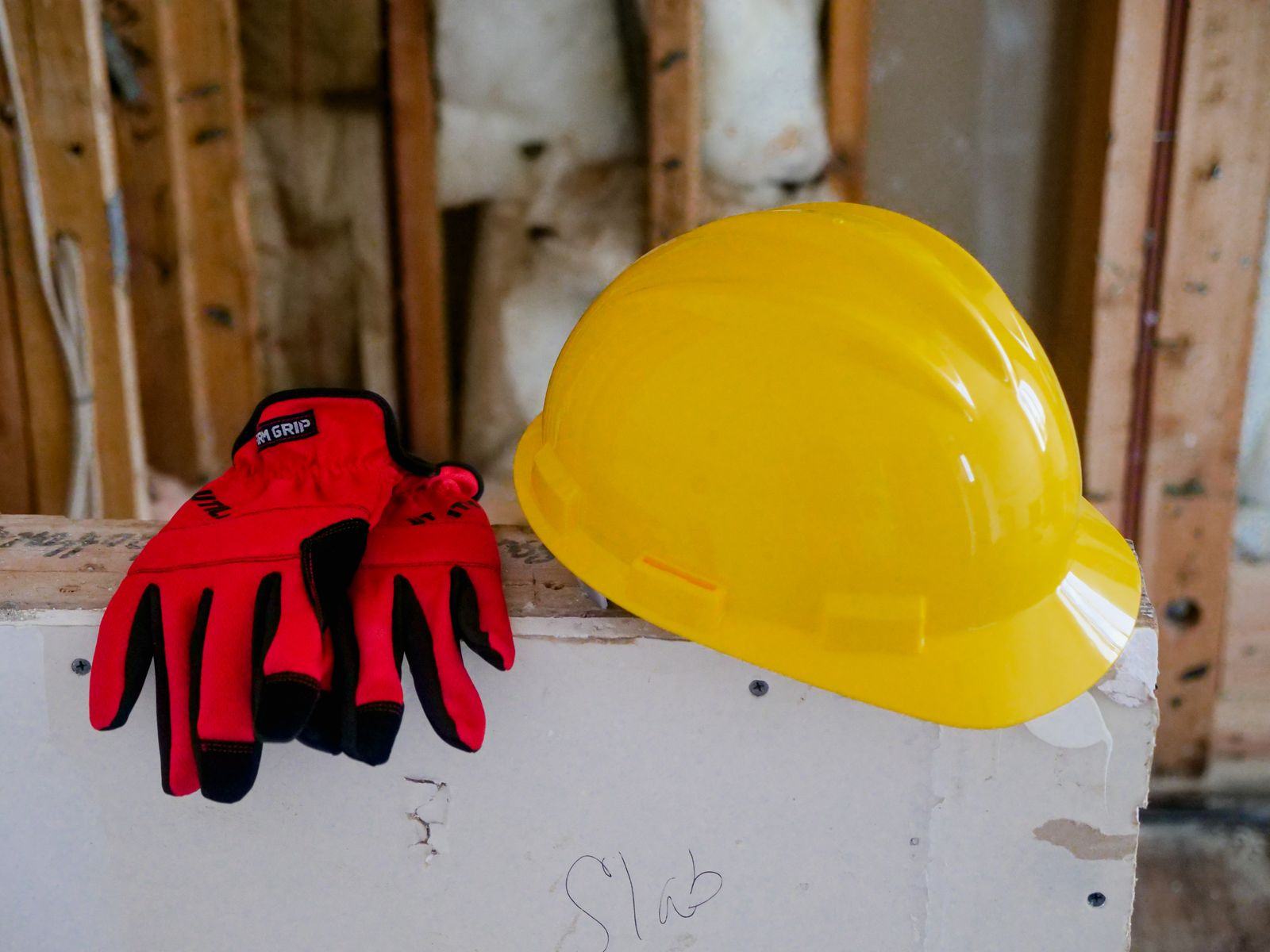
What should every site have?
- A fence, gate and warning signs to keep the public out.
- A first aid kit and a trained first aider.
- Clean drinking water and toilets for workers.
- Fire extinguishers near fuel and hot work.
- A short daily safety briefing ("toolbox talk").
- A record of incidents and near misses.
Frequently asked questions
Is PPE required by law in Tanzania?
Employers have a legal duty to provide a safe workplace and suitable protective equipment. Check the current requirements with OSHA.
What is a toolbox talk?
A short safety briefing at the start of the day or shift that covers the day's tasks and hazards.
Who is responsible for safety on a construction site?
The contractor manages day-to-day safety, but everyone on site, including subcontractors and workers, has a role in working safely.
How does safety affect quality?
Well-organised, safe sites usually produce better work, because the same discipline applies to planning, materials and checks. Read our HSE and quality standards.
Work with a contractor who takes safety seriously
Every Vika Construction engineer carries our health and safety manual, and risks are assessed before work starts. Contact us to discuss your project.