To waterproof a building in Tanzania you need to stop water at every point it can enter: flat roofs need a proper slope to the outlets and a waterproof membrane or coating, walls need a damp proof course and good external plaster and paint, bathrooms need a waterproof layer under the tiles, and gutters and drains must carry water away quickly. Most leaks come from details, such as roof edges, pipe penetrations and joints, rather than from the main surfaces.
Why is waterproofing so important in Tanzania?
Heavy rains during the long and short rainy seasons, high humidity on the coast and strong sun all test a building. Water that gets into walls and slabs causes damp, peeling paint, mould, rusting steel and, over time, structural damage. Good waterproofing protects the building and keeps maintenance costs down.
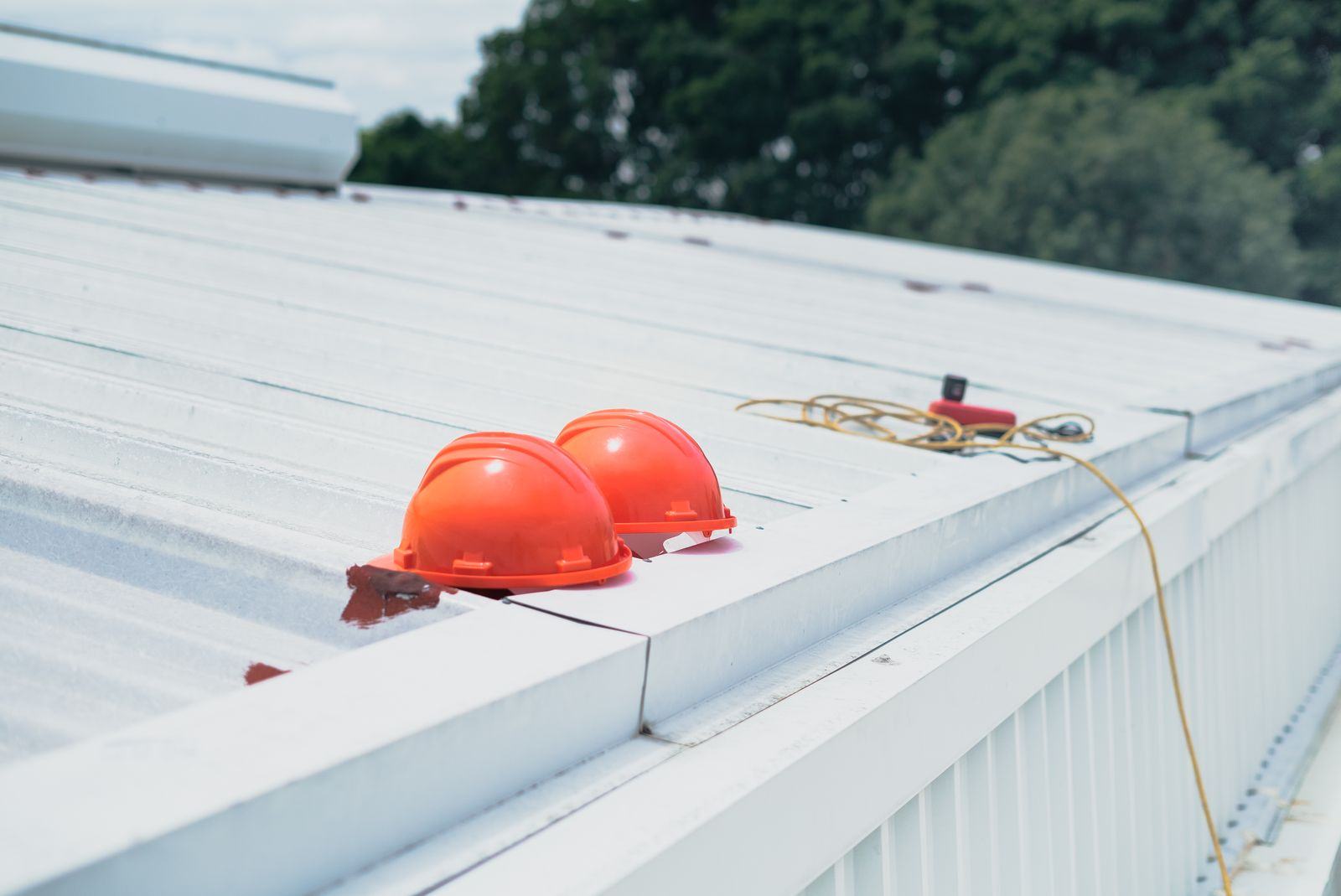
How do you waterproof a flat concrete roof?
- Give the slab a fall. Water must flow to outlets; ponding water is the main cause of roof leaks.
- Prepare the surface. Clean, repair cracks and round off corners where walls meet the roof.
- Apply a waterproofing system suited to the roof: a membrane or a liquid-applied coating.
- Detail the edges, upstands and outlets carefully, with the waterproofing turned up the walls.
- Protect the waterproofing where people walk, for example with screed or tiles.
- Test before finishing by flooding the roof for a period and checking for leaks below.
What waterproofing systems are available?
| System | Typical use | Notes |
|---|---|---|
| Bituminous membranes | Flat roofs | Proven and durable when well installed |
| Liquid-applied coatings | Roofs, balconies, complex shapes | Seamless; apply at the right thickness |
| Cementitious coatings | Bathrooms, tanks, basements | Good under tiles and in wet areas |
| Damp proof course (DPC) | Base of walls | Stops rising damp from the ground |
| Damp proof membrane (DPM) | Under ground slabs | Stops moisture rising into floors |

How do you stop damp in walls?
- Build a damp proof course at the base of all walls.
- Keep the external ground level below the DPC, with a concrete apron that slopes away.
- Use good quality external plaster and paint designed for exterior use.
- Make sure window sills have a drip so water falls clear of the wall.
- Fix leaking gutters and downpipes quickly.
Read more about drainage in our guide to protecting your building from flooding.
How do you waterproof bathrooms and wet areas?
Apply a waterproof coating to the floor and to the lower walls (and the full height in showers) before tiling, with extra reinforcement at corners and around drains. Use waterproof grout and seal around pipes. Bathroom leaks often show up as damp in the room below or the wall behind.
How often should waterproofing be checked?
Inspect roofs and gutters before each rainy season, clear outlets and drains, and repair cracks or damaged coatings early. Small repairs are cheap; ignoring them leads to damaged ceilings, finishes and steel.
Frequently asked questions
Why does my flat roof leak?
The most common causes are water ponding because the roof has no proper fall, damaged or poorly finished waterproofing at edges and outlets, and blocked drains.
Can waterproofing be applied to an old roof?
Yes, after cleaning, repairing cracks and correcting drainage where possible. A survey shows whether the existing layer can be overlaid or must be removed.
What causes damp at the bottom of walls?
Usually rising damp from the ground, a missing or bridged damp proof course, or water splashing from the ground. Lowering ground levels and adding an apron often helps.
Is waterproof paint enough for walls?
It helps, but it cannot fix a missing DPC, poor drainage or leaking gutters. Treat the cause first.
Keep your building dry
Vika Construction builds and renovates with waterproofing details designed for Tanzania's rains. Contact us about your roof, walls or renovation.