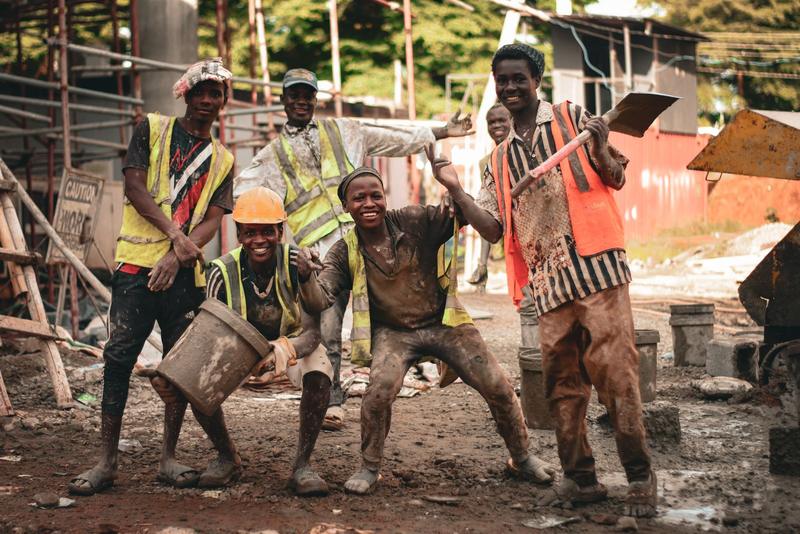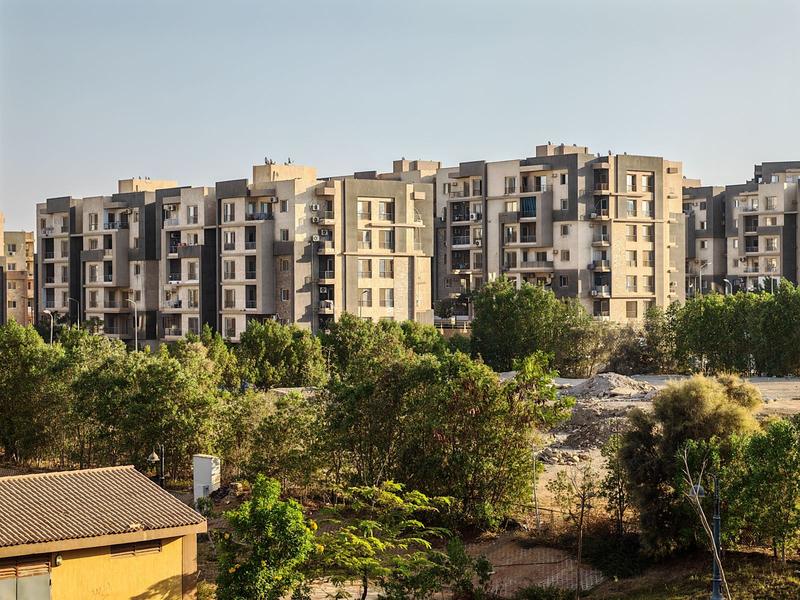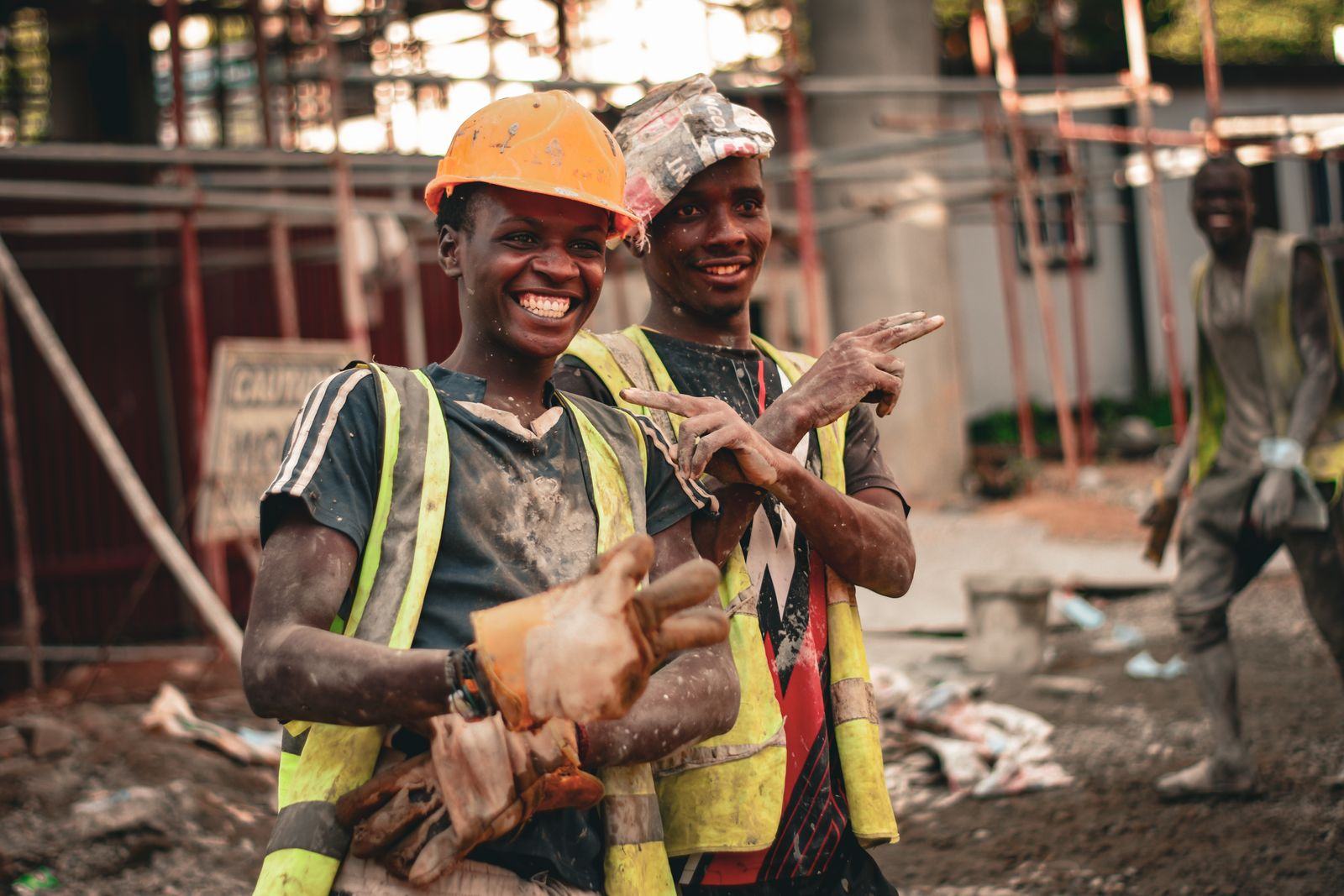
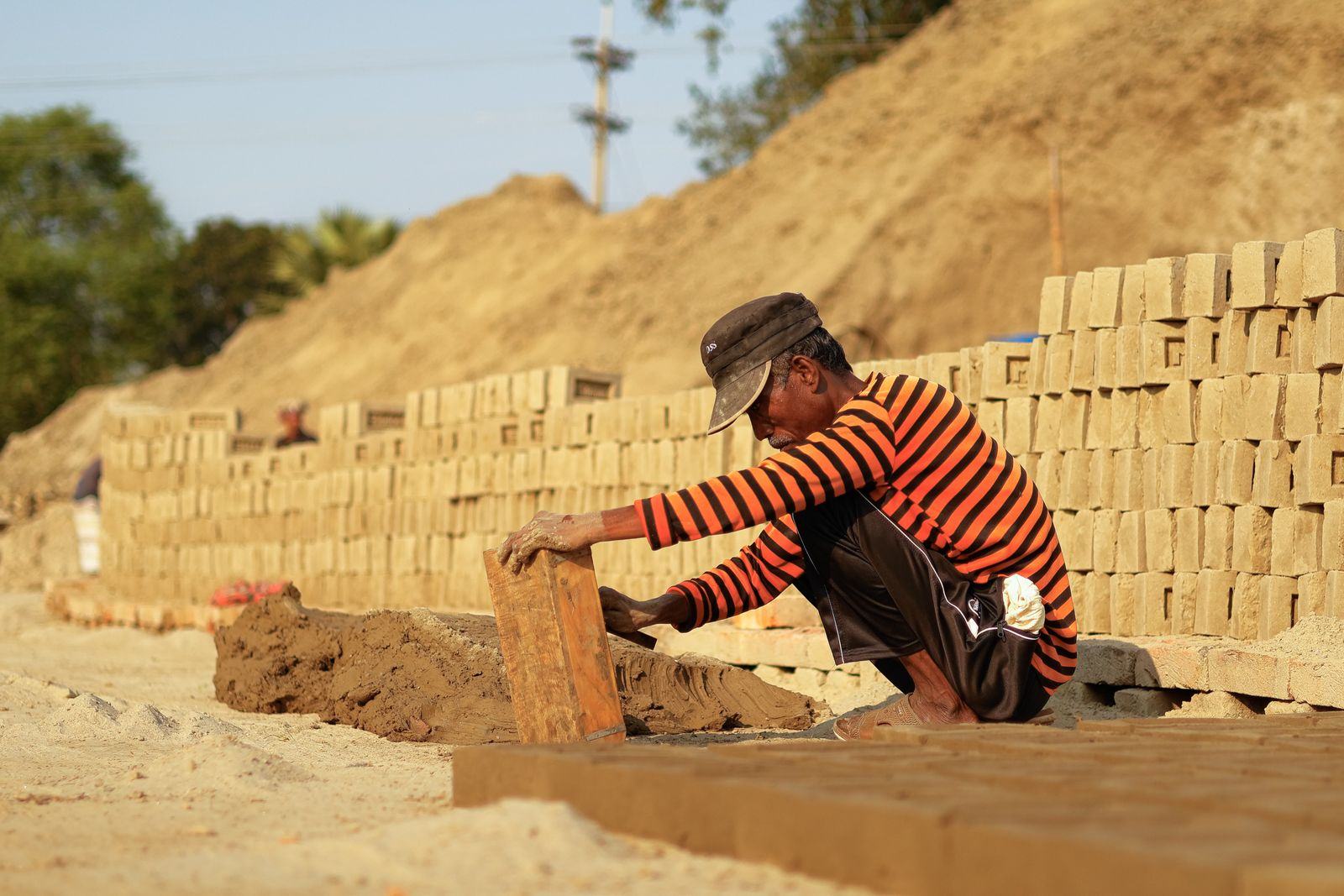
A normal day on a construction site in Tanzania starts early, often before 7:30 in the morning, with the site team gathering for a short safety briefing and the day's plan. Masons, steel fixers, carpenters and labourers then work through the morning, while the engineer checks critical work such as reinforcement and concrete. The day is shaped by the weather, deliveries and teamwork, and ends with tools cleaned, materials secured and the site made safe. Behind every building are many skilled people who rarely get noticed.
Who works on a construction site?
| Role | What they do |
|---|---|
| Site engineer | Plans the work, checks quality and safety, solves problems |
| Foreman | Leads the site team and organises daily tasks |
| Masons (fundi) | Lay blocks and bricks, plaster walls, lay tiles |
| Steel fixers | Cut, bend and tie reinforcement for columns, beams and slabs |
| Carpenters | Build formwork, roof trusses and doors |
| Electricians and plumbers | Install conduits, wiring, pipes and fittings |
| Labourers | Mix concrete, move materials and support every trade |
| Storekeeper and security | Record materials and protect the site |
How does the day begin?
The team arrives, signs in and gathers for a toolbox talk: a short briefing on what will be done today, where the risks are and who is responsible for what. Then everyone collects their tools and protective equipment. Read more about construction site safety in Tanzania.
What happens during the morning?
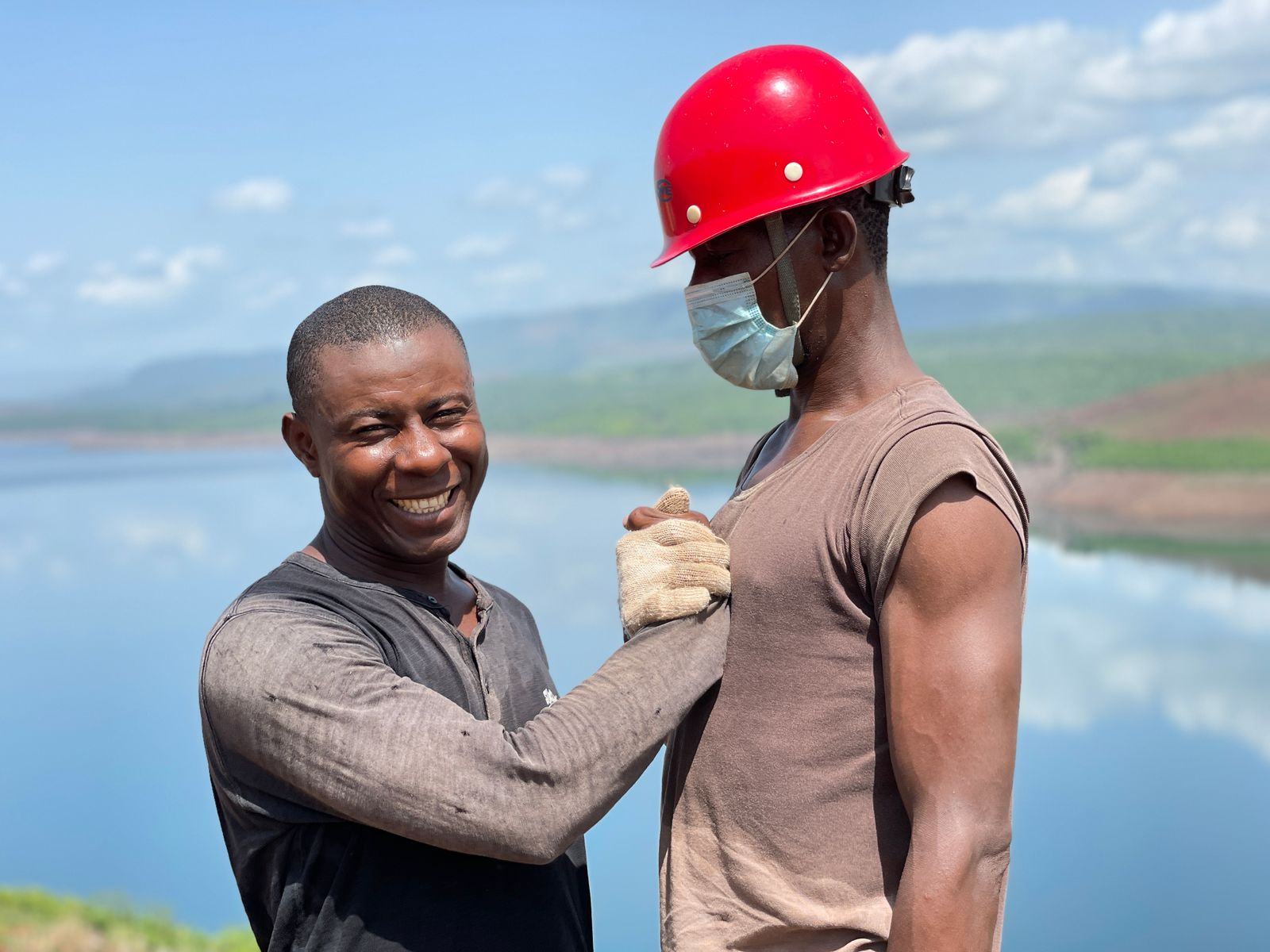
Mornings are the most productive hours, before the strongest heat. Typical work includes laying blocks, fixing steel, building formwork or pouring concrete. On a pour day, the whole team works together: mixing, carrying, placing and compacting concrete while the engineer watches the quality. Concrete cannot wait, so pour days are planned carefully.
How does the weather shape the day?
In the hot season, teams start early and take a longer midday break, with plenty of drinking water. During the rains, work moves to covered areas, excavations are protected and concrete pours may be rescheduled. A good programme always has indoor work ready for rainy days.
What challenges do site teams face?
- Heat and heavy physical work, which make rest, water and shade essential.
- Late deliveries of cement, sand or steel, which can stop work.
- Rain, which floods excavations and delays concrete.
- Changes in the design, which mean redoing finished work.
- Long journeys to site, especially on projects outside the city.
How does the day end?
In the late afternoon the team cleans tools, covers fresh concrete so it can cure, stacks materials, locks the store and checks that the site is safe overnight. The foreman and engineer agree tomorrow's plan, and the storekeeper records what was used.
Why does this work matter?
Every house, school, bank branch and road starts with these teams. Construction also creates jobs and skills for many young people. Read about construction jobs and skills in Tanzania.
Frequently asked questions
What is a fundi?
A fundi is a skilled tradesperson, such as a mason, carpenter, plumber or electrician. Most building work in Tanzania depends on experienced fundi.
What time does construction work start in Tanzania?
Most sites start early in the morning, often around 7:00 to 8:00, to make the most of cooler hours.
Do construction workers work during the rainy season?
Yes, but work is planned around the rain, with indoor tasks on wet days and excavations protected.
How many people work on a house construction site?
It depends on the size and stage. A small house may have a handful of workers, while larger buildings need many trades at the same time.
Built by people who care
Our engineers and site teams take pride in every building. Read about how we run our sites or contact us.