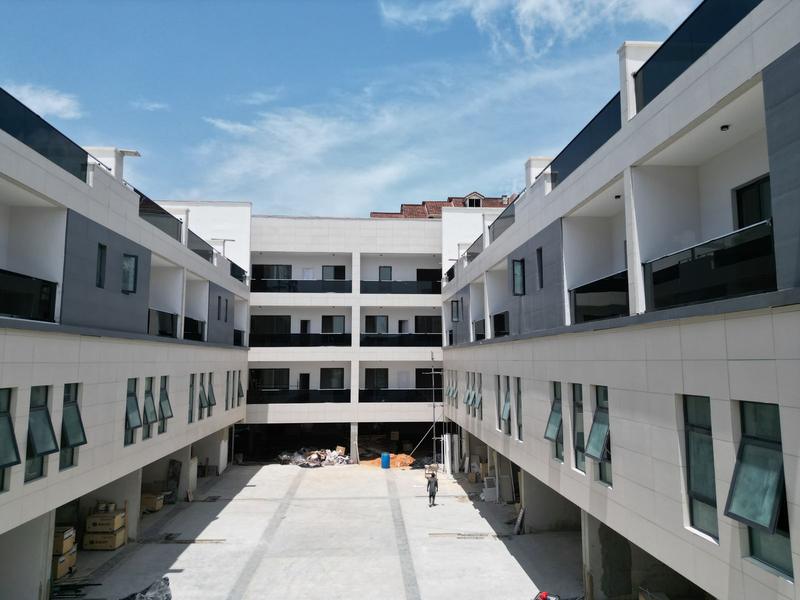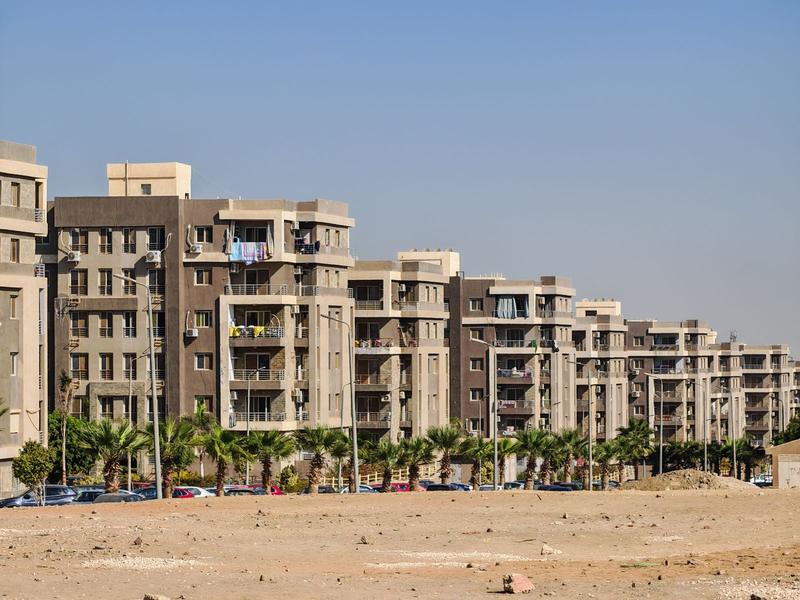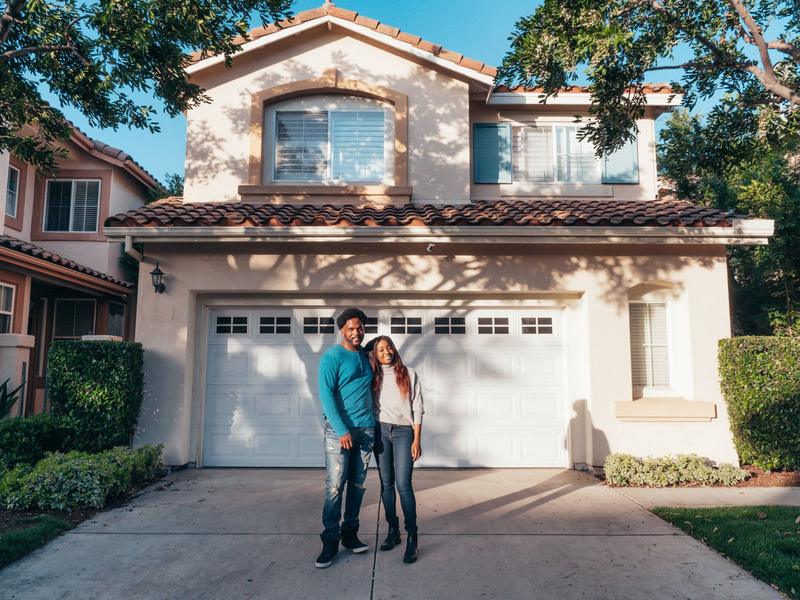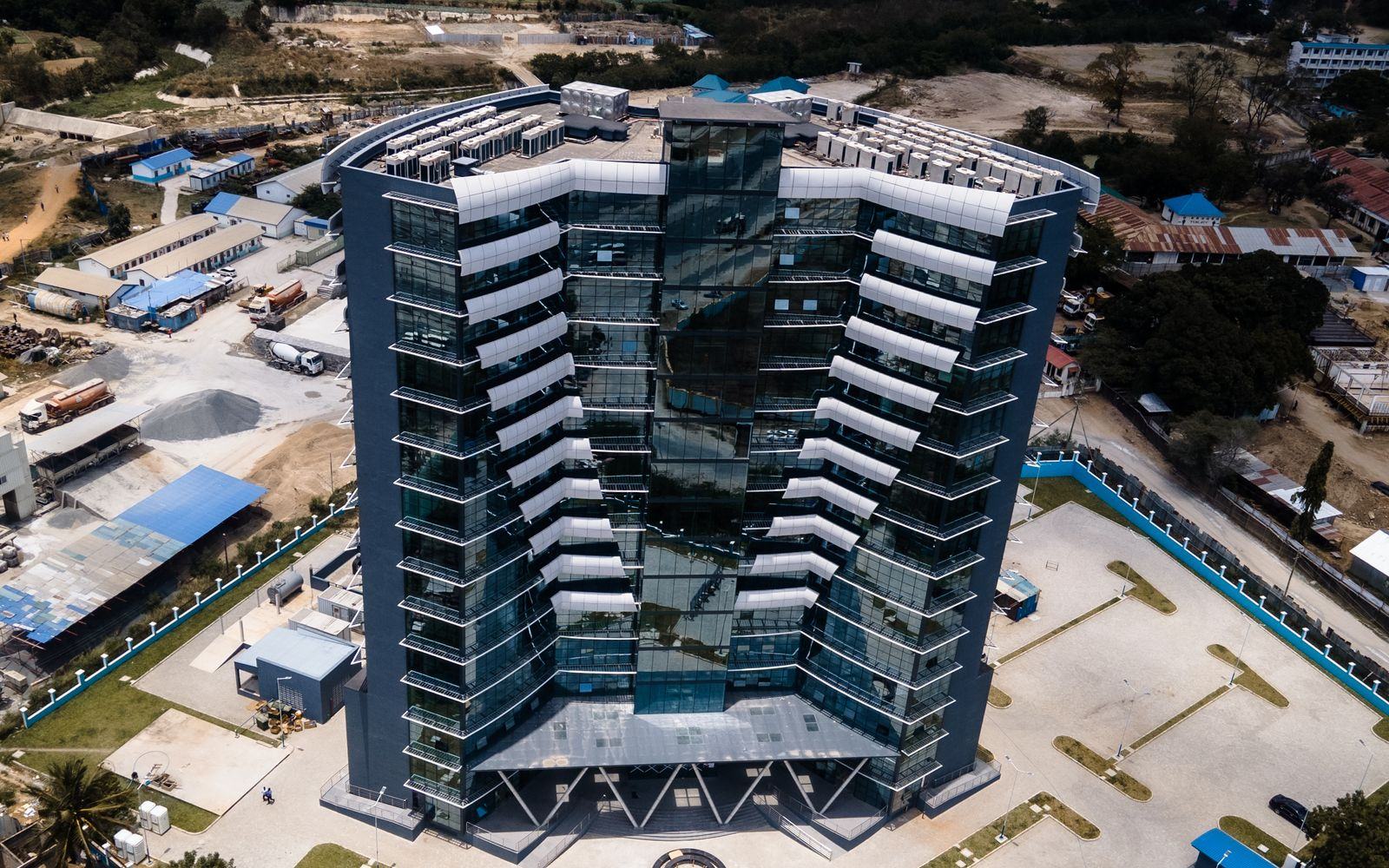
Demand for housing in Tanzania keeps rising because the population is growing fast, more people are moving to cities, and many young families are forming households of their own, while the supply of well-built, affordable homes has not kept up. Dar es Salaam alone grew to around 5.4 million people at the 2022 census, and towns such as Dodoma, Mwanza and Arusha are expanding quickly too. The result is strong demand for both rental housing and family homes, and real opportunity for people who build well.
How fast is Tanzania's population growing?
The 2022 Population and Housing Census counted about 61.7 million people in Tanzania. A large share of the population is young, which means that every year many people reach the age when they want their own room, their own apartment or their own house. That steady flow of new households is the foundation of housing demand.
Why are cities growing so quickly?
People move to cities for work, education, business and services. Dar es Salaam is the country's commercial centre and one of the fastest growing cities in Africa. Dodoma has grown as the capital, with government offices moving there. Regional centres grow as trade, mining, agriculture and tourism expand.
When people arrive in a city, most of them rent first. Later, as incomes grow, many want to build or buy. Both steps create demand for construction.
Is there a housing shortage in Tanzania?
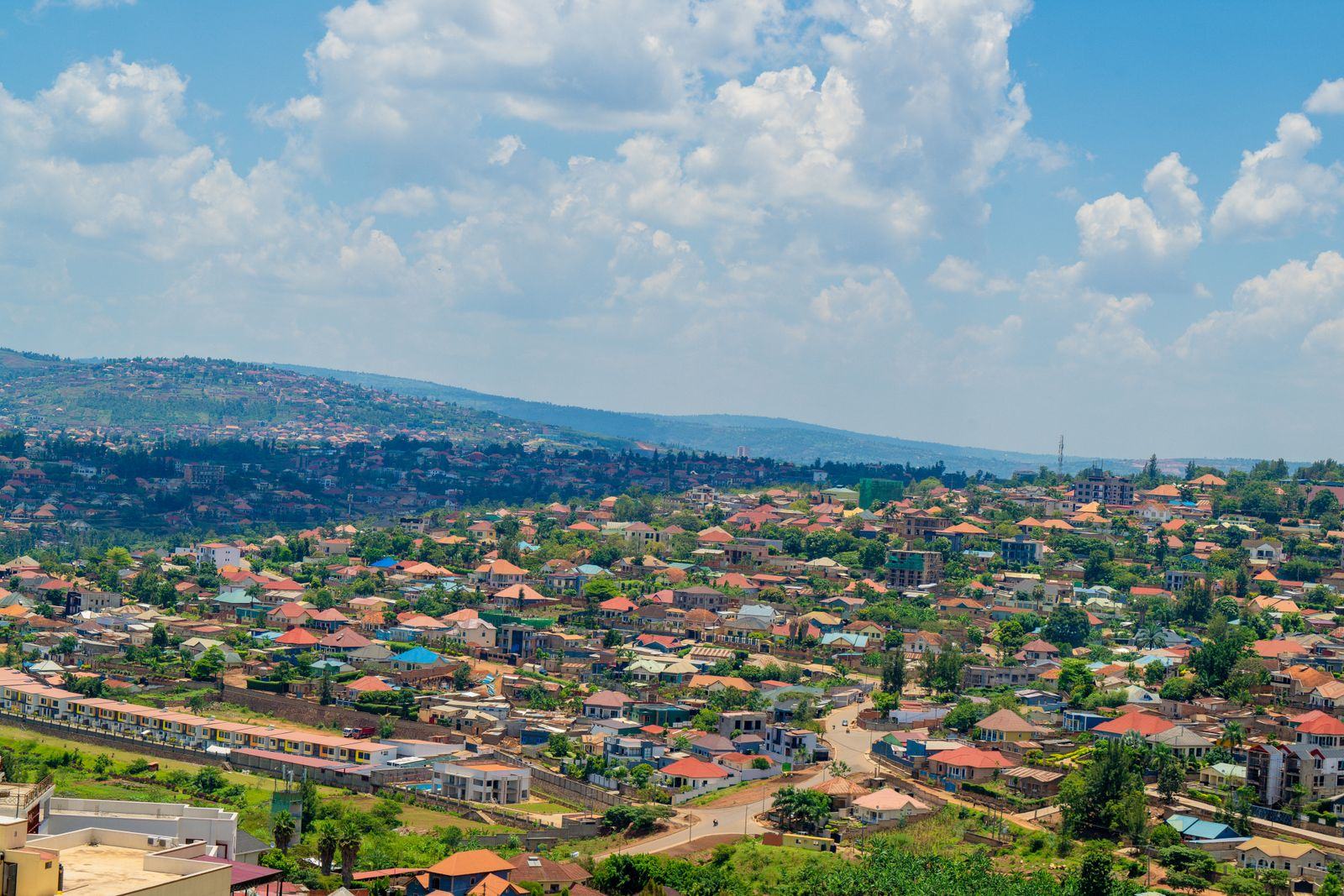
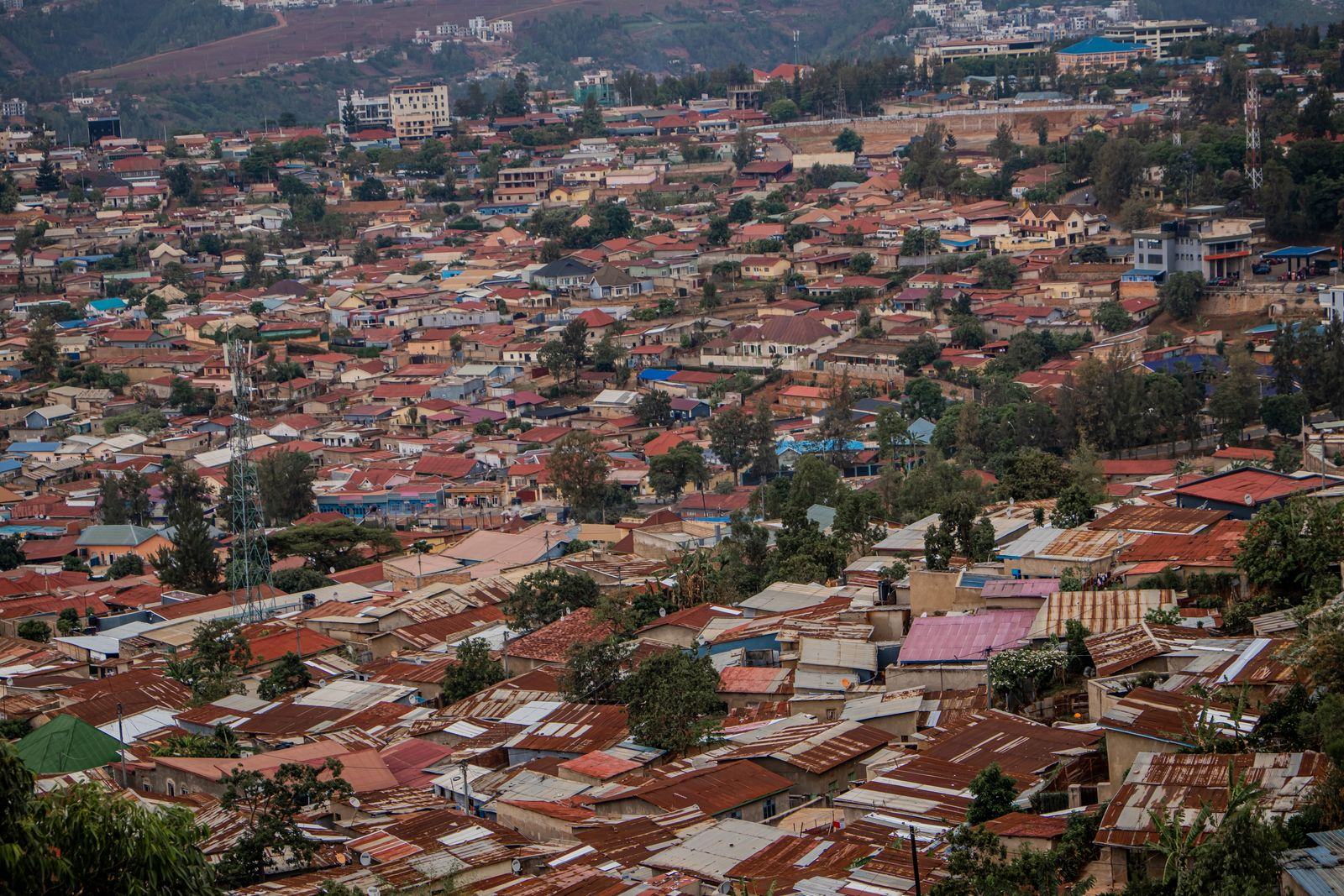
Yes. Many reports, including work by UN-Habitat and the World Bank, describe a large gap between the number of homes people need and the number of quality homes being built. Much of the housing in fast-growing areas is built informally, without planning, proper drainage or engineering. That means the shortage is not only about numbers, but about quality: safe, durable homes with water, sanitation and access roads.
Who is driving the demand?
| Group | What they look for |
|---|---|
| Young professionals | Affordable rental apartments close to work |
| Young families | Two or three bedroom homes, often outside the city centre |
| Established families | Larger homes on their own plot, often built in phases |
| Diaspora Tanzanians | A home or rental investment back home |
| Businesses and institutions | Staff housing, offices and commercial space |
What does this mean if you want to build?
- Rental demand is strong in areas with jobs, transport and services. Read our guide to rental apartments in Dar es Salaam as an investment.
- Location matters more than ever. Access roads, water, power and distance to work decide who will want to live there.
- Quality stands out. In a market full of poorly built houses, a well-designed and well-built home rents faster and holds its value.
- Land is getting more expensive close to city centres, which is why more owners are building upwards. See our guide to building a storey house.
Will housing demand keep growing?
Most signs point to yes. A young population, continued urbanisation and growing incomes all support long-term demand. That does not mean every project will succeed: a house in the wrong location or of poor quality can still sit empty. Good planning, the right design and solid construction are what turn demand into a good investment.
Frequently asked questions
Why are house prices and rents rising in Dar es Salaam?
Strong population growth, limited serviced land close to the centre and rising building costs all push prices up, especially in well-located areas.
Which towns in Tanzania are growing fastest?
Dar es Salaam remains the largest, while Dodoma, Mwanza, Arusha and several regional centres are also expanding quickly.
Is it a good time to build a house in Tanzania?
For long-term owners and investors with a good location and a clear budget, steady demand makes building attractive. The key is planning the project carefully.
What is affordable housing?
Housing that households can pay for without spending too much of their income. It depends on design, land and building costs, and finance options.
Build for a growing market
Vika Construction designs and builds homes and apartment buildings that are planned for real demand. Contact us to discuss your plot.