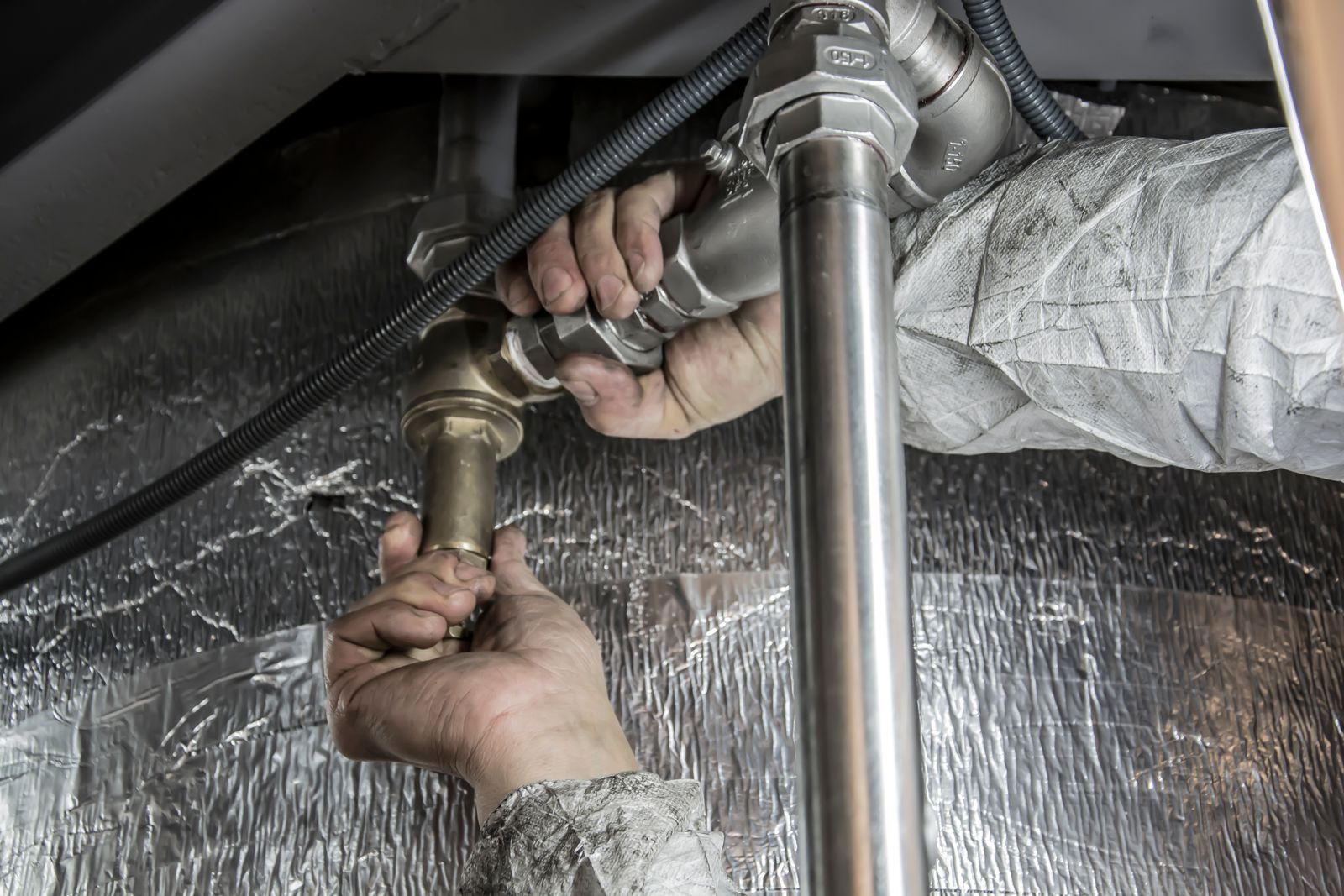
Plumbing a house in Tanzania means planning for unreliable supply as well as everyday use. A typical setup is: a mains or borehole connection, a ground or underground storage tank, a pump, and either an elevated tank that feeds the house by gravity or a pressure pump that feeds it directly. Supply pipes are usually PPR (joined by heat fusion), drains are PVC laid to a steady fall, and every pipe should be pressure-tested before walls are plastered and floors are tiled. For a typical three-bedroom house, plumbing and drainage often cost TSh 6 million to 15 million (about USD 2,300 to 5,800), depending on fittings and the water system.
How should water be supplied and stored?
Because mains supply is intermittent in many areas, most houses store water.
| System | How it works | Pros | Cons |
|---|---|---|---|
| Elevated tank (gravity) | Pump fills a tank on a tower or roof; water flows down by gravity | Works during power cuts, simple | Low pressure on upper floors, tower cost, roof load |
| Pressure pump with ground tank | Pump with a pressure vessel pushes water straight into the house | Good pressure everywhere | Needs power; backup needed for outages |
| Combined | Ground tank, pump to elevated tank, plus a small booster pump for showers | Reliable and good pressure | More equipment to maintain |
A family of five uses roughly 500 to 750 litres a day for normal household use. Storage of 3,000 to 5,000 litres gives several days' cover; many families install 5,000 to 10,000 litres in total. Rainwater can add to this. See rainwater harvesting for homes.
Which pipes should be used?
- PPR (polypropylene random copolymer): the standard for hot and cold supply inside houses today. Joined by heat fusion, so the joints are as strong as the pipe. Common sizes are 20, 25 and 32 mm.
- HDPE: black polyethylene pipe, used for underground supply lines from the meter or borehole.
- PVC: used for drainage and waste. Common sizes are 40 and 50 mm for basins and showers, and 100 or 110 mm for toilets and main drains.
- Galvanised steel: older houses. It corrodes from the inside over time and is rarely used for new work.
Buy pipes and fittings that carry the TBS mark, and use the right pressure rating. Cheap fittings are the most common source of leaks behind tiles.
How should drainage be laid out?
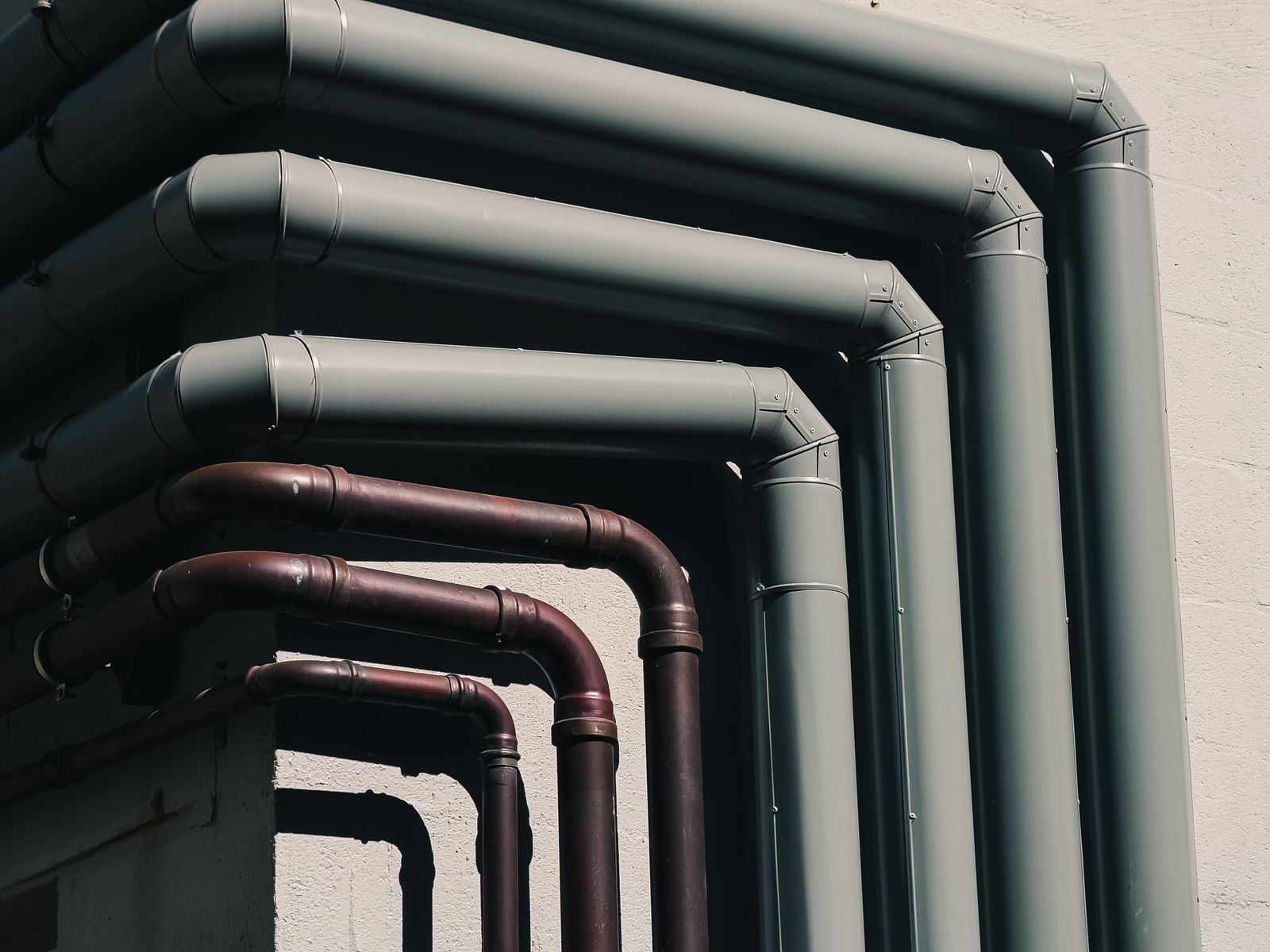
Drainage works by gravity, so falls are critical:
- 100 to 110 mm soil pipes: a fall of roughly 1 in 40 to 1 in 80 (25 mm to about 12 mm per metre).
- Smaller waste pipes: around 1 in 40.
- An inspection chamber (manhole) at every change of direction outside the house and at junctions, so blockages can be cleared.
- A vent pipe on the drainage system, so traps are not sucked dry and smells do not come back into the house.
- Water traps (U-bends or bottle traps) under every basin, shower and sink.
Grey water (from showers, basins and sinks) and black water (from toilets) usually go to a septic tank and soak pit, or to the public sewer where it exists. See septic tank construction.
What about hot water?
The common options are electric storage heaters, instant electric showers, and solar water heaters. Solar water heaters suit Tanzania's sunshine and cut electricity bills, but they need roof space facing the sun and a structure strong enough for the tank. Run hot water pipes as short as possible to the bathrooms and kitchen, and insulate them, or you will wait a long time for hot water.
How should plumbing be tested?
Before plastering, screeding or tiling:
- Close all outlets and fill the supply system.
- Pressure-test it, usually at about one and a half times the working pressure, and hold it for at least an hour, checking the gauge.
- Check every joint for weeping.
- Water-test the drains by filling them and checking for leaks and proper flow.
- Take photos of the pipe runs with measurements before they are covered, so you know where they are later.
Finding a leak after tiling means breaking tiles. Finding it before costs nothing.
What are the most common plumbing mistakes?
- No pressure test before walls are closed.
- Drains laid flat or with dips, causing blockages and smells.
- No inspection chambers, so blockages cannot be reached.
- Pipes run through structural beams or columns without the engineer's approval.
- Pumps without dry-run protection, which burn out when the ground tank empties.
- One shared meter for several rental units, which leads to arguments about bills.
- Tanks without proper covers, inviting mosquitoes and contamination.
How much does plumbing cost for a new house?
| Item | Example cost (2026) |
|---|---|
| Supply and drainage pipework, 3-bedroom house | TSh 3,000,000 to 7,000,000 (about USD 1,150 to 2,700) |
| Sanitary fittings (toilets, basins, showers, sink) | TSh 2,000,000 to 8,000,000 (about USD 770 to 3,100) |
| Pressure pump with control | TSh 800,000 to 2,500,000 (about USD 310 to 960) |
| Plastic storage tank, 5,000 litres | TSh 900,000 to 1,500,000 (about USD 350 to 580) |
| Solar water heater, family size | TSh 2,500,000 to 5,000,000 (about USD 960 to 1,900) |
Example prices only. Fittings vary widely in price and quality. USD figures are approximate at roughly TSh 2,600 per USD.
Connections to the public supply are made through the water utility, such as DAWASA in Dar es Salaam, which sets its own connection charges.
Frequently asked questions
What size water tank do I need for a house?
For a family of four to six, 3,000 to 5,000 litres covers a few days of normal use. Where supply is very unreliable, 10,000 litres or more is common.
Is PPR better than PVC for water supply?
For pressurised supply inside the house, PPR is the usual choice because heat-fused joints are strong and it handles hot water. PVC is mainly used for drains.
Why does my bathroom smell of sewage?
Usually a dry or missing trap, a missing vent pipe, or a drain laid without enough fall. A plumber can find which.
Should I install a pressure pump or an elevated tank?
An elevated tank works during power cuts. A pressure pump gives better pressure. Many households use both: an elevated tank as backup and a booster for showers.
Building a new house?
Vika Construction plans and installs plumbing and drainage as part of new homes and renovations. See our building services or contact us.
Found this useful? Share it with someone who is building.