Most houses in Tanzania without a sewer connection need a septic tank and soak pit (or soakaway). A typical 3 to 4 bedroom family house needs a two-chamber septic tank of about 6 to 10 cubic metres, built in reinforced concrete or well-rendered blockwork, plus a soak pit or drainage field sized for the soil. In 2026 a well-built system usually costs about TSh 3 million to 8 million (about USD 1,150 to 3,100). It should sit at a safe distance from wells, boreholes and the house, and be emptied every few years.
How does a septic tank work?
Waste water from toilets, showers and the kitchen flows into the tank. Solids settle at the bottom as sludge, grease floats as scum, and bacteria break down part of the waste. The clearer liquid flows out to a soak pit or drainage field, where it soaks into the soil. A two-chamber tank works better than a single chamber because the second chamber catches what the first misses.
What size septic tank do you need?
| House | People | Example tank size |
|---|---|---|
| 2 bedrooms | up to 4 | 4 to 6 m³ |
| 3 bedrooms | 5 to 6 | 6 to 8 m³ |
| 4 bedrooms | 7 to 8 | 8 to 10 m³ |
| 5 bedrooms or more | 9 to 12 | 10 to 14 m³ |
Example sizes only. The right size depends on the number of users, water use and how often you plan to empty it; your engineer should design it.
Where should a septic tank be placed?
- Away from wells and boreholes: usually at least 30 metres, more in sandy soil. Check the local rules.
- At least a few metres from the house foundation and the boundary.
- Downhill from water sources where possible.
- Where an emptying truck can reach it.
- Not under parking areas unless designed for vehicle loads.
Plan the position at design stage so it does not block a future extension. Read planning a family home.
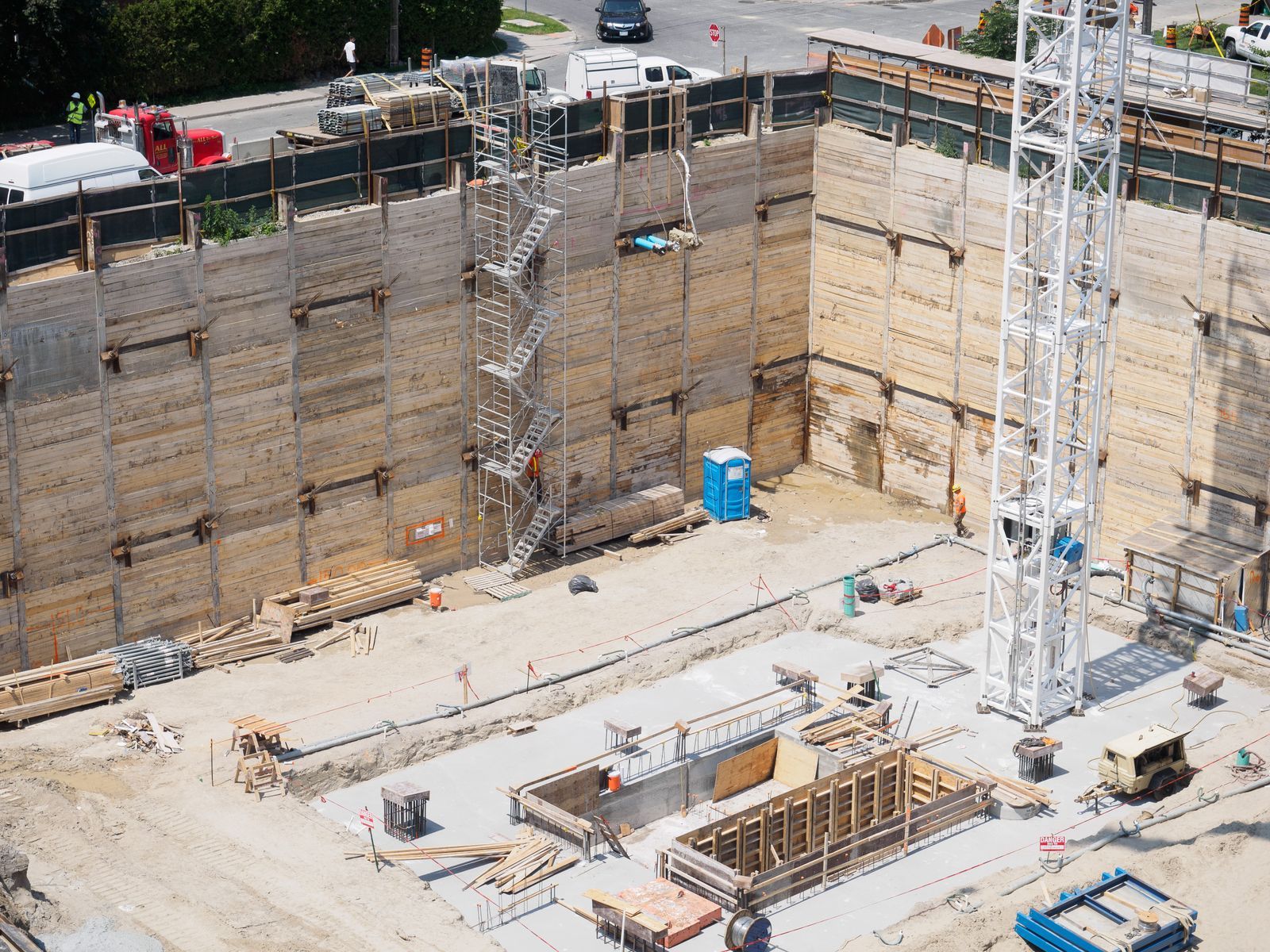
How is a septic tank built?
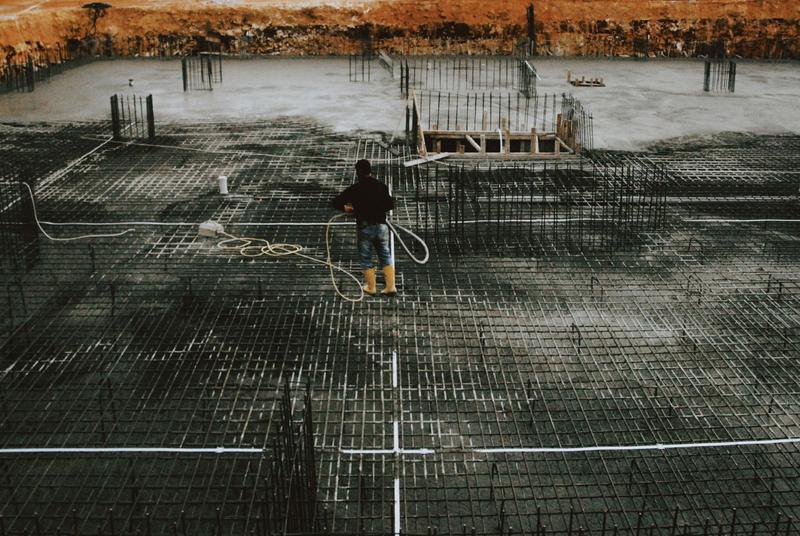
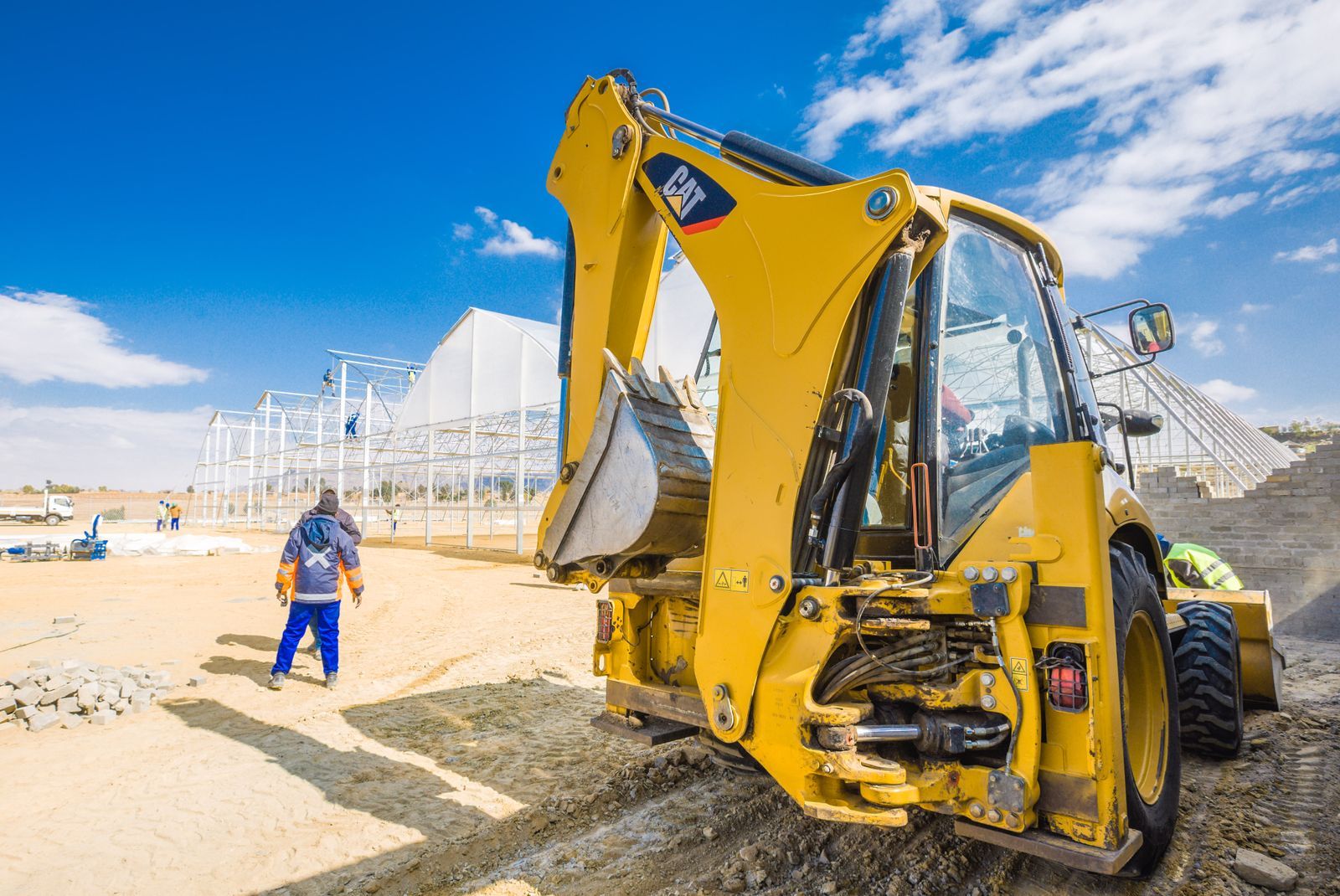
- Excavate to the design depth, with safe, supported sides.
- Cast a reinforced concrete base.
- Build the walls in reinforced concrete or blockwork filled and rendered with waterproof plaster.
- Build the dividing wall between chambers, with openings at the right level.
- Fit inlet and outlet pipes with T-pieces so scum does not escape.
- Cast a strong cover slab with access openings and a vent pipe.
- Test for leaks by filling with water before backfilling.
What about the soak pit?
The soak pit takes the liquid from the tank into the ground. It works well in sandy soil, poorly in clay, and badly where the water table is high, which is common in parts of Dar es Salaam in the rains. In poor soil, a larger drainage field or other treatment may be needed. Never connect roof or stormwater to the septic system; see our stormwater drainage guide.
How much does a septic tank cost in Tanzania?
| Item | Example cost |
|---|---|
| Septic tank, 6 to 8 m³, blockwork and concrete | TSh 2,500,000 to 5,000,000 (about USD 960 to 1,900) |
| Septic tank, reinforced concrete, 8 to 10 m³ | TSh 4,000,000 to 7,000,000 (about USD 1,550 to 2,700) |
| Soak pit, typical house | TSh 800,000 to 2,000,000 (about USD 310 to 770) |
| Emptying by truck, per trip | TSh 150,000 to 400,000 (about USD 60 to 150) |
Example prices only. USD figures are approximate, using roughly TSh 2,600 per USD.
Can you connect to a sewer instead?
In parts of Dar es Salaam you may be able to connect to the public sewer through DAWASA. Ask before you design, as it can save the cost of a septic system.
Frequently asked questions
How often should a septic tank be emptied?
Often every two to five years for a family house, depending on size and use. Check the sludge level each year.
Can I build a septic tank with blocks?
Yes, if the blocks are filled with concrete, properly reinforced where needed, and rendered with waterproof plaster. Reinforced concrete is stronger and more watertight.
Why does my soak pit overflow in the rainy season?
The ground is saturated or the water table has risen, so the liquid cannot soak away. A larger soak pit, a drainage field or a raised system may be needed.
Do I need approval for a septic tank?
It is normally part of your building permit drawings. Include it in the design; see building permits in Dar es Salaam.
Get your sanitation designed right
Vika Construction designs and builds septic tanks, soak pits and drainage as part of new homes and renovations. Contact us for a site visit.
Found this useful? Share it with someone who is building.