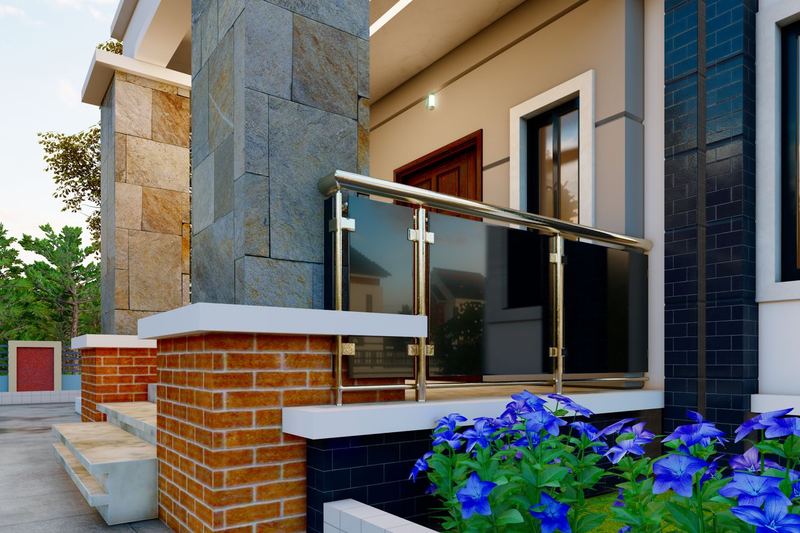
The most effective ways to keep a house cool in Tanzania are to stop the sun heating it in the first place and to let air move through it. In practice that means: orient the long sides of the house to face north and south, insulate under the roof, use wide roof overhangs and verandas to shade walls and windows, place windows on opposite sides for cross ventilation, use light-coloured roofs and walls, and keep ceilings reasonably high. On the humid coast, airflow matters most. In hot, dry inland areas like Dodoma, thick walls and shading help more. Getting these right at the design stage costs little and saves on fans and air conditioning for the life of the house.
Where does the heat in a house come from?
Most of it comes through the roof. A dark iron sheet roof in direct sun can get extremely hot, and that heat radiates down into the rooms below. The rest comes through sunlit walls and windows, especially those facing east and west, where the sun is low and hits them directly in the morning and afternoon. Cooking, people and appliances add a little more.
So the order of priorities is: roof first, then east and west walls and windows, then airflow.
Which way should a house face?
Near the equator, the sun is high at midday and low in the morning and evening. The east and west faces of a house take the most direct sun. Orienting the long sides of the house north and south, with the short sides facing east and west, cuts the amount of wall and window exposed to low sun.
Put rooms that you use less in the day, like stores, bathrooms and garages, on the west side to act as a buffer. Bedrooms are cooler at night if they are not on the west.
How much does roof insulation help?
More than any other single measure. Options include:
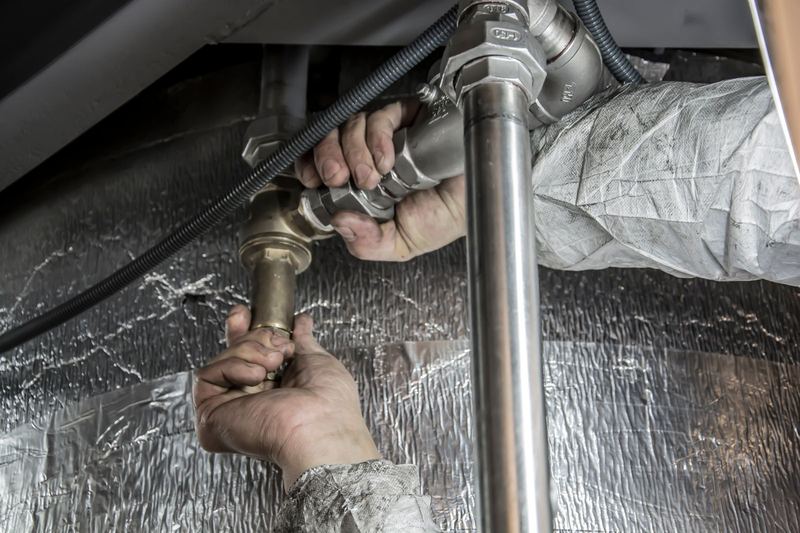
- Reflective foil insulation laid under the iron sheets, with the shiny side facing an air gap.
- Insulated ceiling boards or gypsum ceilings with insulation laid on top.
- Ventilated roof space: vents at the eaves and ridge so hot air escapes instead of building up.
- Light-coloured or reflective roofing: white, light grey or reflective coatings absorb much less heat than dark colours.
- Concrete flat roofs: these store heat and release it at night unless they are insulated on top or shaded.
| Measure | Rough cost per m² of roof (2026) | Effect |
|---|---|---|
| Reflective foil under sheets | TSh 8,000 to 15,000 (about USD 3 to 6) | Noticeable reduction in heat through the roof |
| Gypsum ceiling with insulation | TSh 35,000 to 70,000 (about USD 13 to 27) | Large reduction, also improves sound |
| Ridge and eave ventilation | Small extra cost at construction | Lets trapped hot air escape |
| Light or reflective roof colour | Little or no extra cost | Less heat absorbed |
Example prices only. USD figures are approximate at roughly TSh 2,600 per USD.
How should windows and ventilation be planned?
Air movement makes a room feel several degrees cooler. For good cross ventilation:
- Place windows on opposite or adjacent walls so air can flow through, not just in and out of one opening.
- Use windows that open wide (casement or louvres) rather than small fixed panes.
- Add high-level vents or clerestory windows so hot air near the ceiling can escape.
- Keep internal doors and openings aligned with the prevailing breeze where possible. On the coast, the sea breeze is a real asset.
- Use security grilles so windows can stay open at night.
Ceiling heights of about 2.7 to 3 m give hot air room to rise above head height. Very low ceilings under iron roofs make rooms hot.
Does shading make a difference?
Yes, a big one. A window in direct sun lets in far more heat than a shaded one. Use:
- Roof overhangs of 600 to 900 mm, more on east and west sides.
- Verandas and covered terraces, which also give useful outdoor living space.
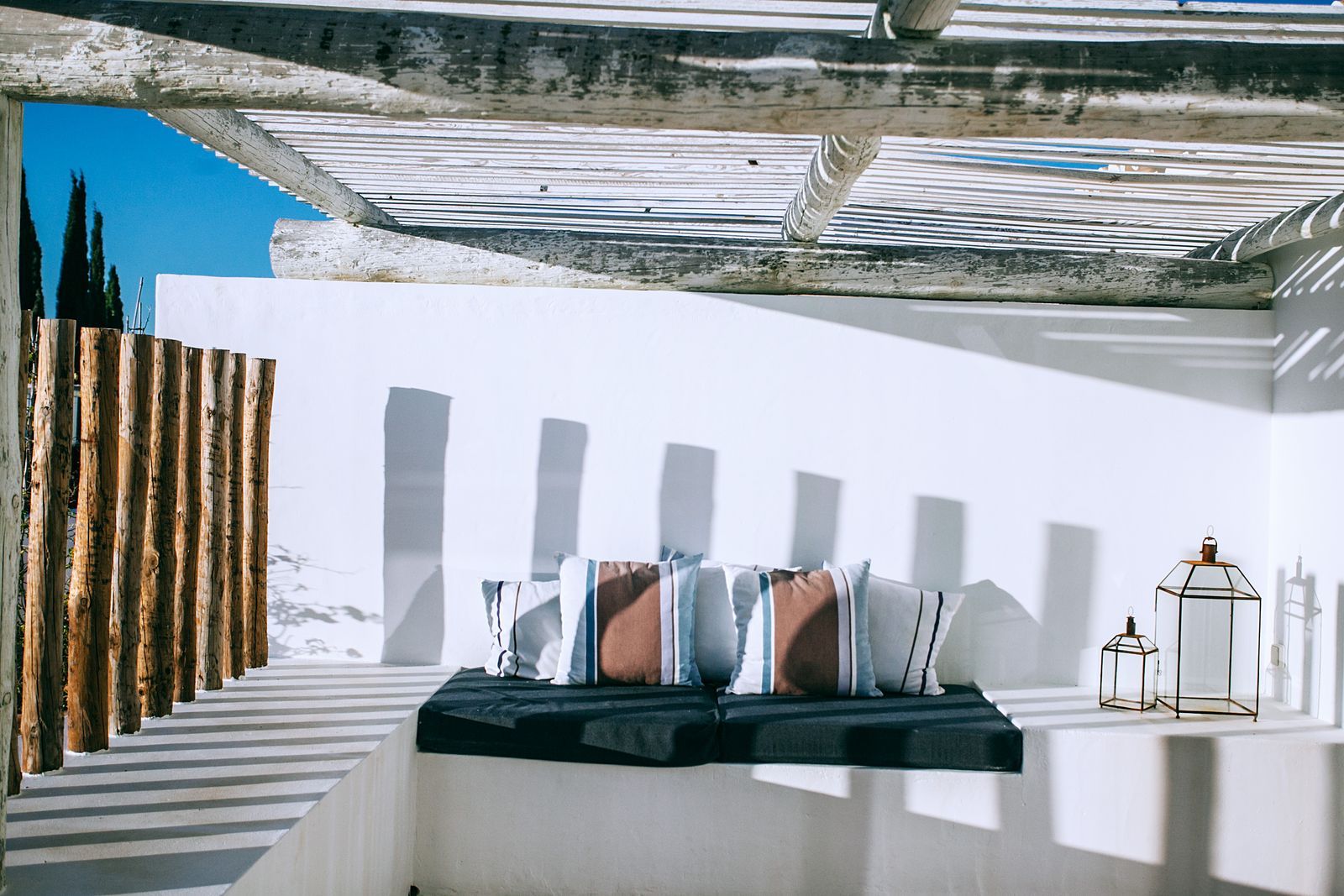
- Window hoods, louvres or pergolas with climbing plants.
- Trees on the east and west, planted far enough from the house that roots do not affect foundations or drains.
What about walls and colours?
Light-coloured external walls reflect more sun. Wall material matters differently depending on the climate:
- Hot, humid coast (Dar es Salaam, Tanga, Mtwara): nights stay warm, so heavy walls that store heat do not help much. Focus on shade, ventilation and a well-insulated roof.
- Hot, dry inland (Dodoma, Singida, parts of Shinyanga): days are hot and nights cool. Thicker walls absorb heat during the day and release it at night, smoothing out temperatures. Combine with shading and night ventilation.
- Cooler highlands (Arusha, Mbeya, Iringa): nights can be cold. Some sun on walls in the cool season is welcome, and good windows matter.
Our guide to blocks vs bricks compares wall materials, and the Dodoma building guide covers the dry-climate case in more detail.
Frequently asked questions
What is the best roof colour for a hot climate?
White or light colours, or a reflective coating. Dark roofs absorb much more heat.
Does a ceiling make a house cooler?
Yes, especially with insulation above it. The air gap and insulation slow the heat coming down from the roof.
Which direction should my bedroom face in Tanzania?
Ideally north or south, away from the hot afternoon sun on the west side, with windows that catch the breeze.
Are concrete houses hotter than brick houses?
Material matters less than roof insulation, shading and ventilation. In dry inland areas, thicker walls of any material help balance day and night temperatures.
Designing a comfortable home?
Vika Construction designs and builds homes suited to Tanzania's climate. See our building services or contact us.
Found this useful? Share it with someone who is building.