To check a land title in Tanzania, do an official search at the Ministry of Lands land registry to confirm who the registered owner is and whether the plot carries a mortgage, caveat or dispute. Then confirm the survey plan and beacons on site with a licensed surveyor, check the permitted land use with the local council, ask neighbours and the local government (mtaa) office about disputes, and use an advocate to handle the sale agreement and transfer. Never pay the full price before these checks are done. This matters even more if you are buying from abroad.
What is a land title in Tanzania?
Most land in Tanzania is held under a right of occupancy, granted by the state. In towns, the strongest proof is a Certificate of Title (hati miliki) for a surveyed plot, registered at the land registry. You may also come across:
| Document | What it means | Risk level |
|---|---|---|
| Certificate of Title (hati miliki) | Registered granted right of occupancy for a surveyed plot | Lowest, if the search confirms it |
| Letter of offer | The plot has been offered, but the title is not yet issued | Medium: check the offer is valid and fees are paid |
| Residential licence | A short-term licence in an unplanned area | Higher: limited rights |
| Sale agreement only (hati ya mauziano) | A private agreement, often in unsurveyed areas | Highest: ownership is hard to prove |
| Customary right of occupancy | Village land held under customary rules | Depends on the village land process |
Step 1: Get copies of all the documents
Ask the seller for the title or letter of offer, the survey plan, the seller's ID, receipts for land rent and property tax, and, for a company or estate, the documents showing who can sign. A seller who refuses copies is a warning sign.
Step 2: Do an official search at the land registry
An official search confirms the registered owner, the plot number, the size and any encumbrances: mortgages, caveats, court orders or pending transfers. It is done through the Ministry of Lands land registry, and many services now run online. Your advocate can do this for you. Compare every detail with the seller's documents.
Step 3: Confirm the beacons on site with a surveyor
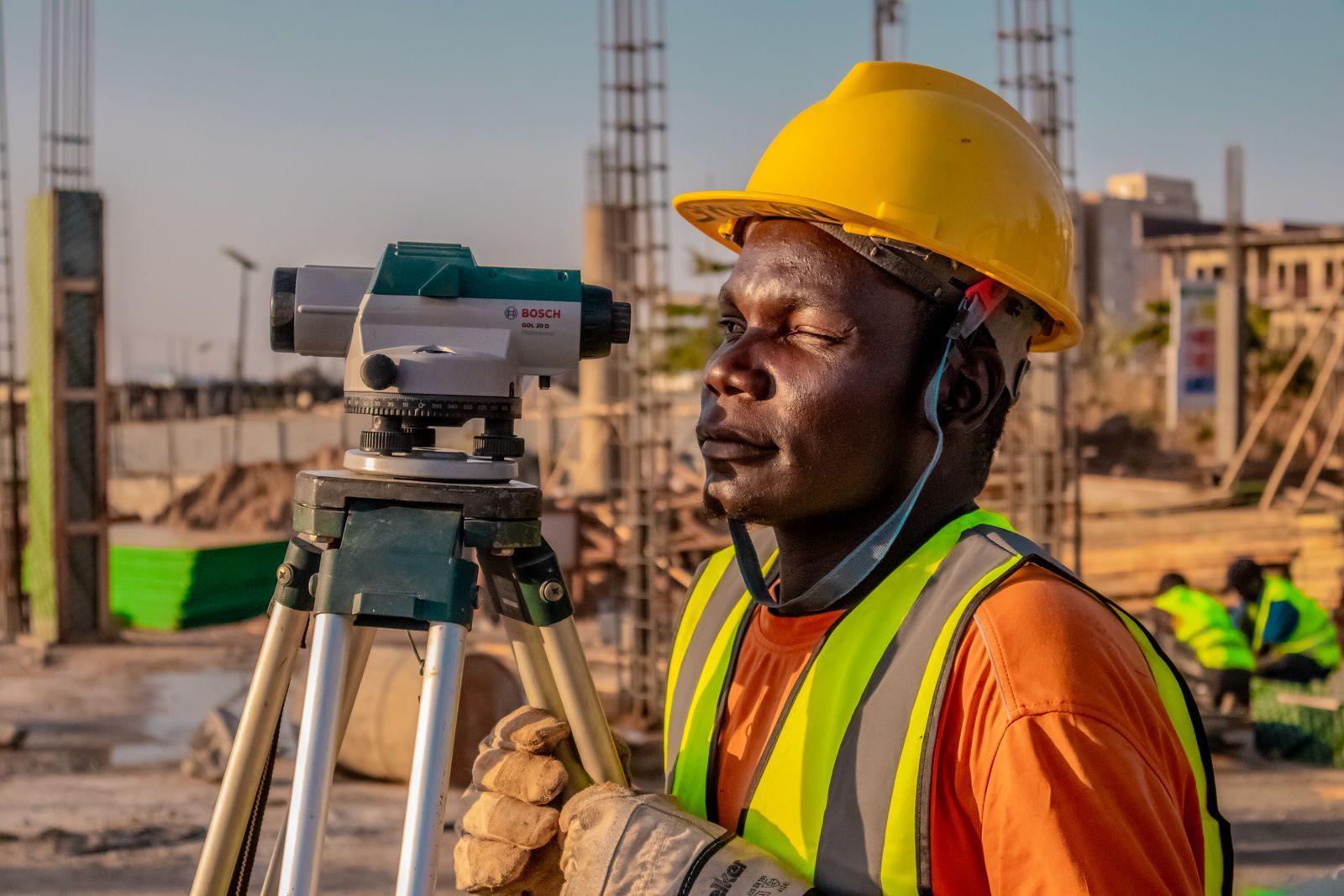
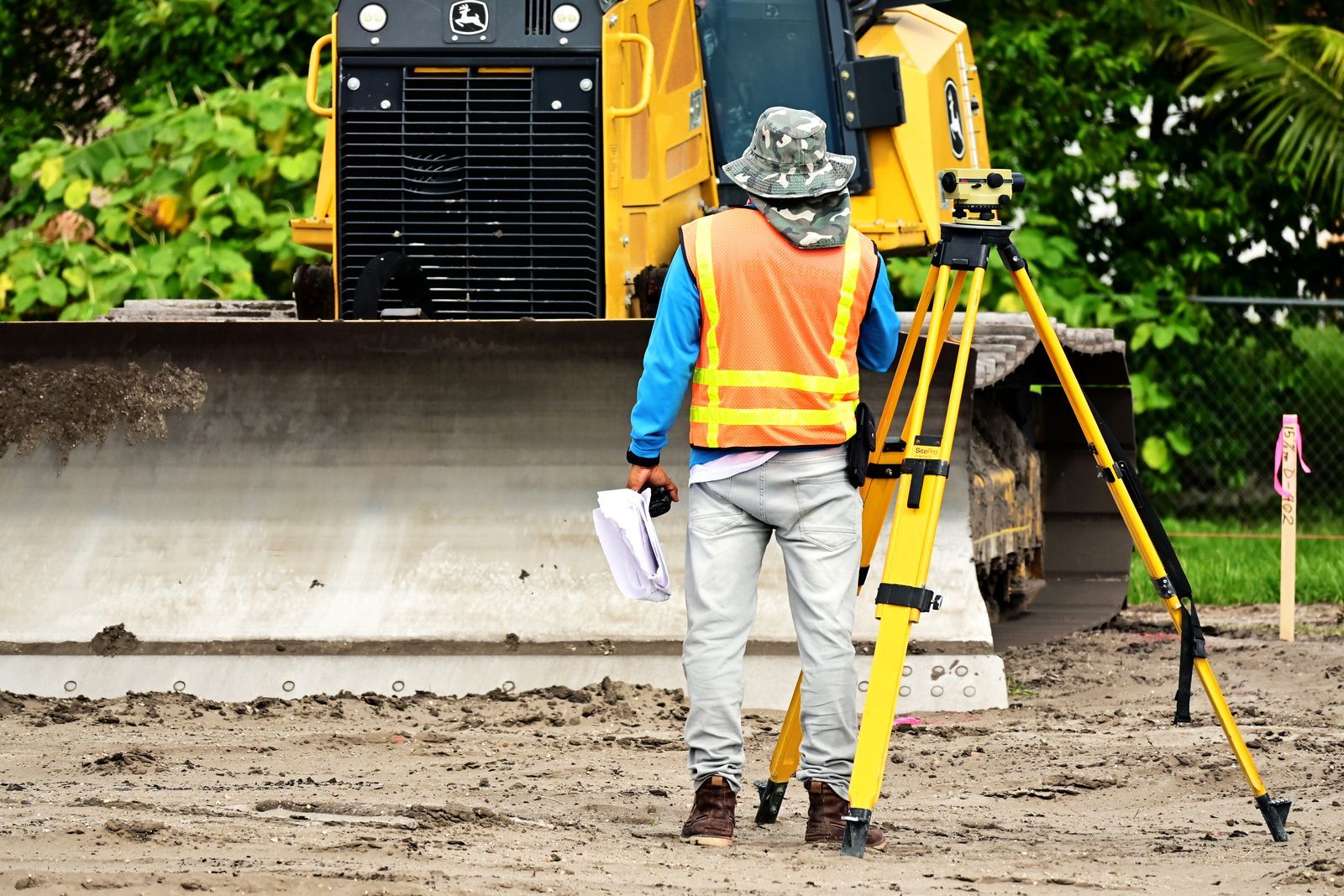
Paper is not enough. Ask a licensed surveyor to find the beacons (corner markers) and check that the plot on the ground matches the survey plan: size, shape and position. Many disputes come from people building on the neighbour's plot by mistake, or from beacons that were moved.
Step 4: Check the land use and planning rules
The title states the permitted use: residential, commercial, mixed or other. Check with the municipal or city council that you can build what you plan, and ask about any planned roads, drainage reserves or public projects that cross the plot. This also affects your building permit.
Step 5: Ask about disputes and flooding
Visit the local government office (serikali ya mtaa) and talk to neighbours. Ask:
- Has this plot been sold before, or is anyone else claiming it?
- Is it family land with other heirs?
- Does the area flood in heavy rain? Read our El Niño guide before buying in low ground.
Step 6: Use an advocate for the sale and transfer
An advocate prepares the sale agreement, checks the seller's right to sell, arranges the consents and handles the transfer and stamp duty. You can confirm an advocate is in practice through the Tanganyika Law Society. Pay through traceable bank transfers, not cash, and link payments to stages of the transfer.
Step 7: Register the transfer in your name
The deal is not finished until the transfer is registered and the title shows your name. Keep certified copies safe and a scan in the cloud. Pay land rent each year so your right stays in good standing.
How much does checking a title cost?
| Check | Example cost |
|---|---|
| Official search at the registry | Small government fee, check the current rate |
| Surveyor to confirm beacons | TSh 300,000 to 1,000,000 (about USD 115 to 385) |
| Advocate's fee for the sale | Often a percentage of the price, agree it in writing |
Example figures only. USD figures are approximate, using roughly TSh 2,600 per USD. For the full cost of buying, read buying property in Tanzania as a first-time buyer.
Frequently asked questions
How do I know if a title deed is genuine in Tanzania?
Do an official search at the land registry and compare the owner, plot number and size with the document. A genuine title will match the registry record exactly.
Can foreigners own land in Tanzania?
Non-citizens generally cannot hold land directly except for investment purposes through the Tanzania Investment Centre. Tanzanians in the diaspora who keep citizenship can. Take legal advice for your situation.
Is it safe to buy land with only a sale agreement?
It is risky. Without a registered title, ownership is hard to prove. If you do buy, use an advocate, involve the local government office and start the formal survey and title process.
How long does a land search take?
Often a few days, depending on the registry and whether it is done online. Your advocate can give a current estimate.
Ready to build on your plot?
Once your title is checked, Vika Construction can help with the design, permit and build. Contact us to plan your project, or start with the cost of building a house.
Found this useful? Share it with someone who is building.