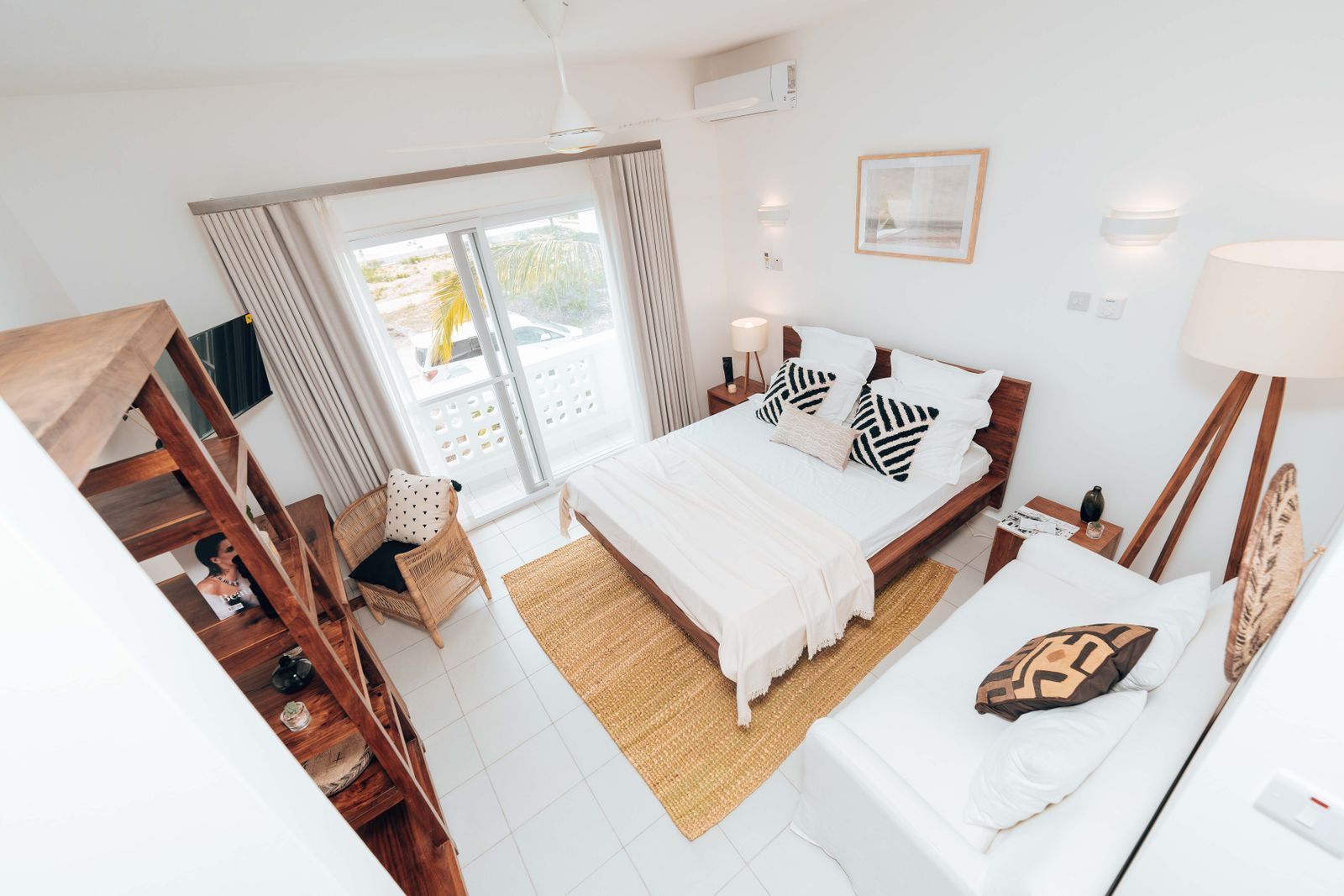
For most Tanzanian homes, porcelain tiles are the best all-round floor finish: hard-wearing, low maintenance and available in many styles, at a moderate price. Ceramic tiles are cheaper and fine for bedrooms and low-traffic rooms. Terrazzo, cast on site and polished, lasts for decades and suits busy areas like offices, schools and banking halls. Polished concrete is durable and modern but needs skilled work. For wet areas and outdoors, choose tiles with a slip-resistant (matt or textured) surface. Whatever you pick, the screed underneath and the quality of laying decide how long the floor looks good.
How do the main floor finishes compare?
| Finish | Example cost per m², supplied and laid (2026) | Durability | Slip resistance | Maintenance | Best for |
|---|---|---|---|---|---|
| Ceramic tiles | TSh 35,000 to 70,000 (about USD 13 to 27) | Medium | Varies by finish | Easy | Bedrooms, low-traffic rooms |
| Porcelain tiles | TSh 60,000 to 140,000 (about USD 23 to 54) | High | Varies, matt is safer | Easy | Living areas, kitchens, offices |
| Terrazzo (cast in place) | TSh 60,000 to 120,000 (about USD 23 to 46) | Very high | Good when not over-polished | Easy, re-polish every few years | Offices, banks, schools, corridors |
| Polished concrete | TSh 50,000 to 100,000 (about USD 19 to 38) | High | Good if sealed correctly | Reseal periodically | Modern homes, shops, studios |
| Vinyl (LVT or sheet) | TSh 40,000 to 90,000 (about USD 15 to 35) | Medium | Good | Easy | Offices, clinics, bedrooms |
| Timber or engineered wood | TSh 90,000 to 200,000 or more (about USD 35 to 77) | Medium | Good | Needs care, sensitive to water and termites | Bedrooms, offices in dry areas |
Example prices only, including adhesive and labour but not the screed. USD figures are approximate at roughly TSh 2,600 per USD.
What is the difference between ceramic and porcelain tiles?
Both are fired clay tiles. Porcelain is made from finer clay and fired at a higher temperature, which makes it denser, harder and less absorbent. In practice:
- Porcelain resists chipping and wear better, and is better for kitchens, living rooms and outdoor areas.
- Ceramic is cheaper and easier to cut, fine for bedrooms and walls.
- "Full body" porcelain has the same colour all the way through, so chips show less.
Check tile packs for the wear rating (PEI) and the slip rating. Glossy polished tiles look good in a showroom and become dangerous in wet bathrooms and on outdoor steps in the rain.
Why is terrazzo popular in public buildings?
Terrazzo is a mix of cement and marble or stone chips, cast on site in panels separated by brass or plastic strips, then ground and polished. It is extremely durable and has no joints for dirt to collect in, which is why you see it in older government buildings, banks and schools across Tanzania that still look good after decades. The downsides are the time it takes to cast, cure and grind, and the need for skilled workers. Precast terrazzo tiles are a quicker alternative.
Is polished concrete a good choice for a house?
It can be, if it is done by someone who knows how. A good polished concrete floor starts with a well-designed, well-compacted and properly cured slab, then is ground, densified and polished in several stages. It is hard-wearing and needs no tiles. The risks are cracking (which shows clearly) and a finish that varies in colour. It also feels hard and can be cold in the highlands. See curing concrete for why the slab preparation matters.
What should I use in bathrooms and outdoors?
- Bathrooms: matt or textured porcelain with a good slip rating, and a fall of about 1 to 2 per cent to the floor drain. Waterproof the floor before tiling. See waterproofing roofs and walls.
- Kitchens: porcelain, for stain and wear resistance.
- Verandas and outdoor steps: textured outdoor-rated tiles, terrazzo with a rough finish, or paving.
- Garages: heavy-duty porcelain, or a hard concrete finish.
What goes wrong with tiled floors?
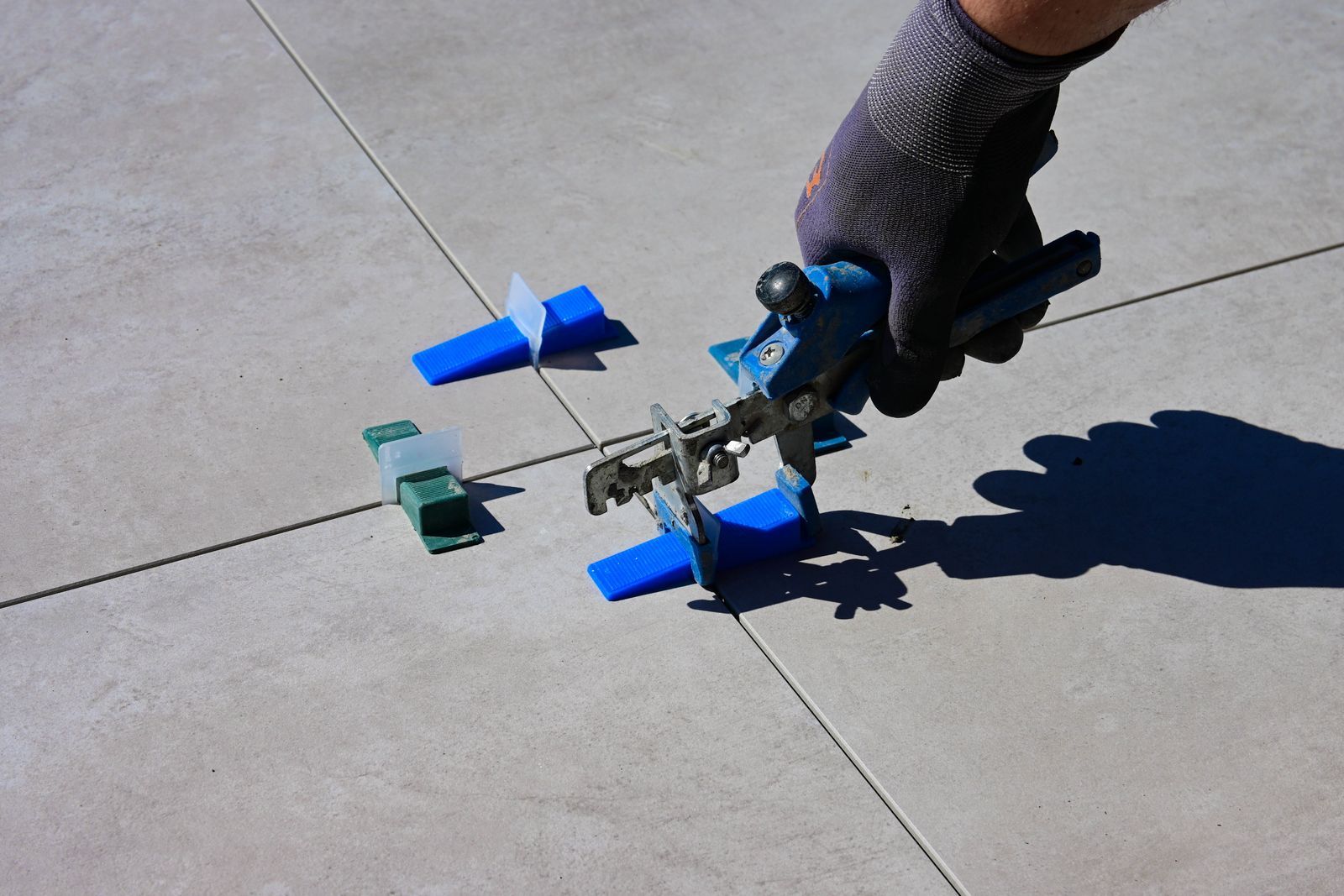
- Hollow tiles: too little adhesive, or tiles laid with "dabs" instead of full coverage. They crack under load.
- Tiles lifting or "tenting": no movement joints in large areas, so tiles push against each other in the heat.
- Cracks following the slab: tiles laid over a crack or a joint in the slab without a movement joint.
- Uneven floors: a screed that was not levelled properly.
- Dirty, crumbling grout: cheap grout, or grout not sealed in wet areas.
How do I choose for each room?
| Room | Good choice | Avoid |
|---|---|---|
| Living room | Porcelain, terrazzo, polished concrete | Very glossy tiles in areas near outside doors |
| Bedrooms | Ceramic, porcelain, vinyl, timber | Nothing in particular |
| Kitchen | Porcelain, terrazzo | Timber, very porous tiles |
| Bathrooms | Matt or textured porcelain | Polished tiles |
| Verandas | Outdoor-rated textured tiles, terrazzo | Indoor glossy tiles |
| Offices and banks | Porcelain, terrazzo, vinyl | Soft finishes in high-traffic areas |
Our house renovation cost guide gives prices for re-tiling existing floors.
Frequently asked questions
Which floor tiles are best for a Tanzanian home?
Porcelain tiles are the best all-round choice. Use matt or textured finishes in bathrooms, kitchens and outside.
Is terrazzo cheaper than tiles?
It can be similar in price to mid-range porcelain, and it lasts longer, but it takes more time and skilled labour to install.
How long should a screed cure before tiling?
Generally at least a week or two in warm conditions, longer for thick screeds, so it is dry and has finished most of its shrinkage. Tiling too early causes cracks and hollow tiles.
Are wooden floors suitable in Tanzania?
In dry rooms and with termite protection, engineered wood can work. It is not suitable for wet areas, and humidity on the coast can cause swelling.
Choosing finishes for a new build or renovation?
Vika Construction supplies and lays floors for homes, offices and bank branches. See our interiors and renovation services or contact us.
Found this useful? Share it with someone who is building.