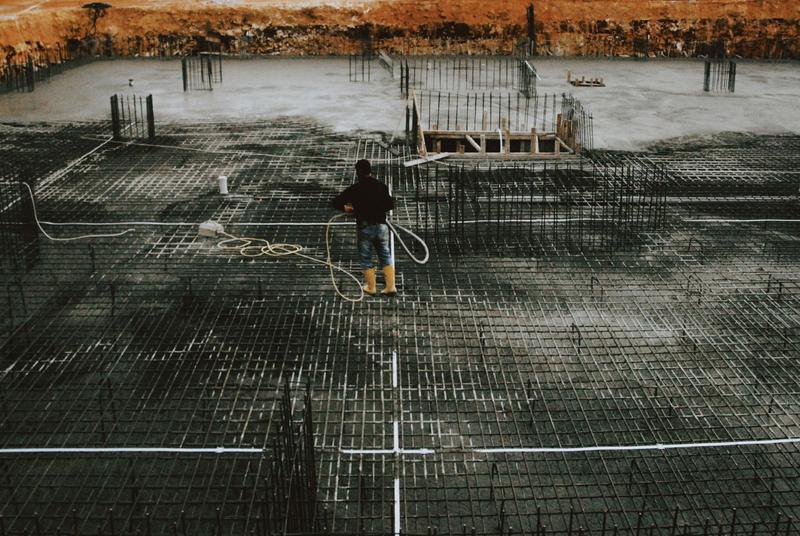
A soil test, or geotechnical investigation, tells your engineer what is under your plot before anything is designed: the type of soil, how strong it is (its bearing capacity), how deep the good ground is, whether the soil swells and shrinks, and where the water table sits. For a simple house on good ground, a few trial pits may be enough. For storey buildings, sloping plots, black cotton soil, reclaimed land or sites near water, boreholes and laboratory tests are worth paying for. A basic investigation for a house in Tanzania often costs TSh 1.5 million to 5 million (about USD 580 to 1,900), which is small compared with the cost of an over-designed or failing foundation.
Why should I test the soil before building?
Because the foundation is designed for the ground it sits on. Without information, an engineer has two choices: assume the worst and design a large, expensive foundation, or assume the best and risk cracks and settlement. A soil test lets the design fit the real ground.
It also flags problems early. Expansive clays, soft fills, high groundwater and loose sands can all be dealt with, but they are far cheaper to deal with on paper than after the walls have cracked.
When is a soil investigation necessary?
| Situation | What is usually enough |
|---|---|
| Single-storey house on known firm ground | Engineer's site visit and 2 to 3 trial pits |
| Black cotton soil or dark clay | Trial pits plus laboratory tests on swelling (plasticity) |
| Two or more storeys | Boreholes with in-situ tests and laboratory tests |
| Sloping or filled plots | Trial pits or boreholes across the slope, check for fill |
| Near the sea, rivers or wetlands | Boreholes, groundwater levels, sometimes chemical tests |
| Commercial, institutional or industrial buildings | Full geotechnical investigation and report |
What happens during a soil investigation?
- Desk study and site walk: looking at the area's geology, neighbouring buildings, drainage and signs of trouble such as cracked walls nearby.
- Trial pits: holes dug by hand or excavator, usually 1.5 to 3 m deep, so the engineer can see the layers and take samples.
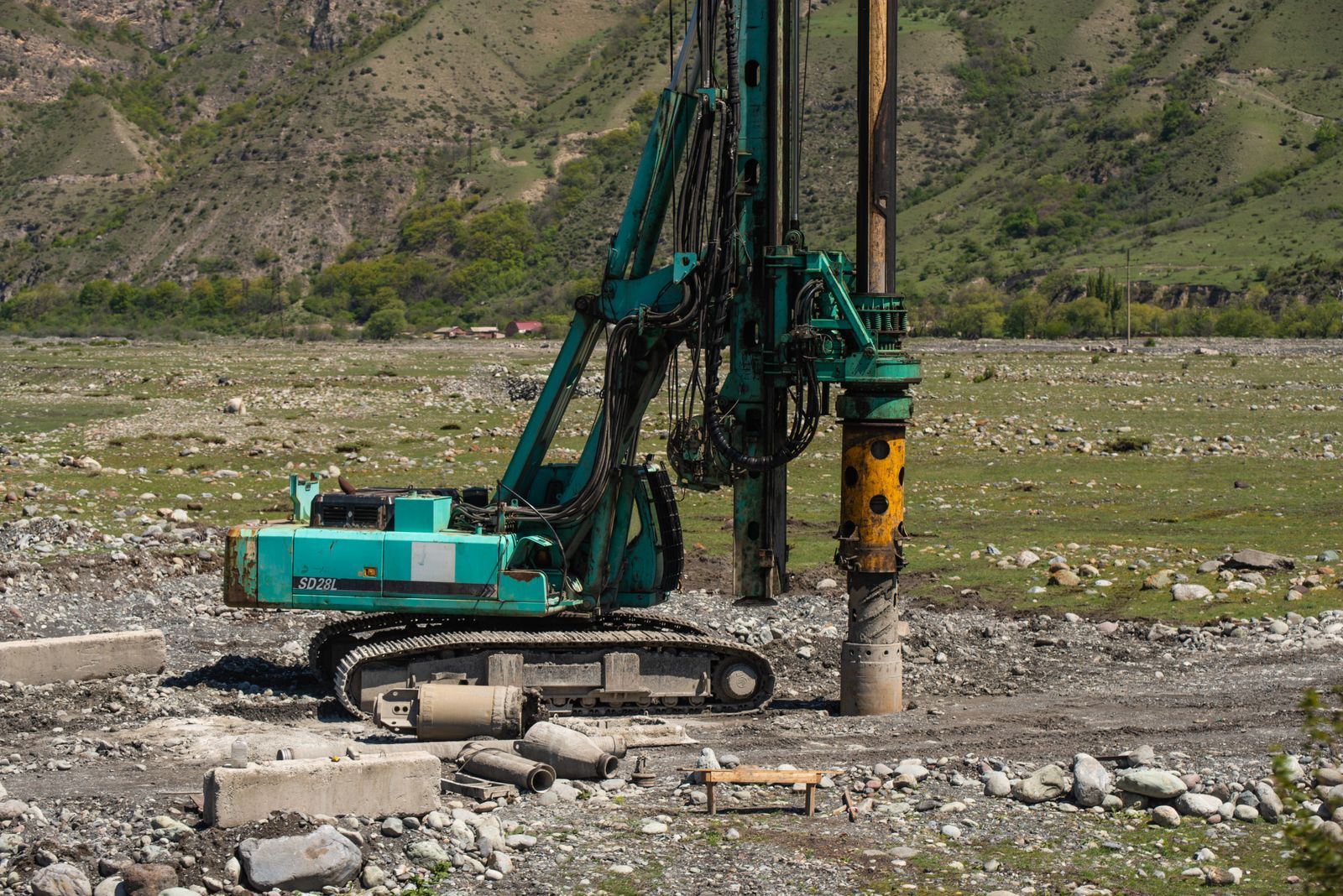
- Boreholes: drilled deeper, often 6 to 15 m or more for larger buildings, with samples taken at intervals.
- In-situ tests: for example the Standard Penetration Test (SPT), which counts how many hammer blows it takes to drive a sampler into the ground, or the Dynamic Cone Penetrometer (DCP) for shallow layers.
- Laboratory tests: grading, moisture content, Atterberg limits (which show how much a clay can swell), density and strength tests.
- Report: the engineer's interpretation and recommendations.

What does the soil report tell me?
A good report gives your structural engineer:
- A log of each pit or borehole: the layers, their depths and descriptions.
- Allowable bearing capacity: how much load per square metre the soil can safely carry at a given depth, for example 100 or 150 kN/m². This decides the size of the footings.
- Recommended foundation type and depth: strip, pad, raft or piles. Our guide to types of foundations explains each one.
- Expansive soil warning: the plasticity index and swell potential, with recommendations if the soil is black cotton or similar.
- Groundwater level: important for excavation, basements, septic systems and waterproofing.
- Settlement estimate: how much the building may settle, and whether it will settle evenly.
How much does soil testing cost in Tanzania?
| Scope | Example cost (2026) |
|---|---|
| Engineer's visit with trial pits for a house | TSh 1,500,000 to 3,000,000 (about USD 580 to 1,150) |
| Trial pits plus laboratory tests | TSh 2,500,000 to 5,000,000 (about USD 960 to 1,900) |
| Boreholes for a storey or commercial building | TSh 5,000,000 to 20,000,000 or more (about USD 1,900 to 7,700) |
Example prices only. Costs depend on the number and depth of tests, access to the site and the distance from the laboratory. USD figures are approximate at roughly TSh 2,600 per USD.
Compare that with the cost of a foundation, often 10 to 15 per cent of a house budget, or with the cost of repairing structural cracks. Our house cost guide shows how the budget splits.
What soils cause the most problems in Tanzania?
- Black cotton soil: expansive clay that swells in the rains and shrinks in the dry season, cracking walls and floors. Found in many inland areas and parts of Dar es Salaam. See building on black cotton soil.
- Loose sands: common near the coast, can settle under load and wash out if drainage is poor.
- Made ground and fill: rubbish, rubble or soil dumped to raise a plot. Unpredictable and usually not suitable to build on directly.
- Soft, wet clays and wetland soils: low strength and high water table, often needing rafts or piles.
- Rock close to the surface: strong, but expensive to excavate and sometimes uneven.
Who carries out soil investigations?
Registered geotechnical or civil engineers, often working with a materials laboratory. Check that the engineer is registered with the Engineers Registration Board and that the lab is reputable. Your structural engineer should either commission the investigation or review its findings before designing the foundation.
Frequently asked questions
Do I need a soil test for a single-storey house?
On firm, known ground, an engineer's visit with a few trial pits is often enough. On clay, fill, slopes or wet sites, a proper investigation is strongly advised.
What is bearing capacity?
The load per unit area that soil can safely carry without failing or settling too much. It is usually given in kN/m² and decides the size and depth of the foundation.
How long does a soil investigation take?
For a house, trial pits take a day or two and laboratory results one to three weeks. Larger investigations with boreholes take longer.
Can I build without a soil test?
Many houses are built without one, and many of them develop cracks. If you skip the test, the engineer should design conservatively, which usually costs more in concrete and steel.
Planning a new building?
Vika Construction arranges soil investigations and designs foundations to suit the ground. See our building services or contact us.
Found this useful? Share it with someone who is building.