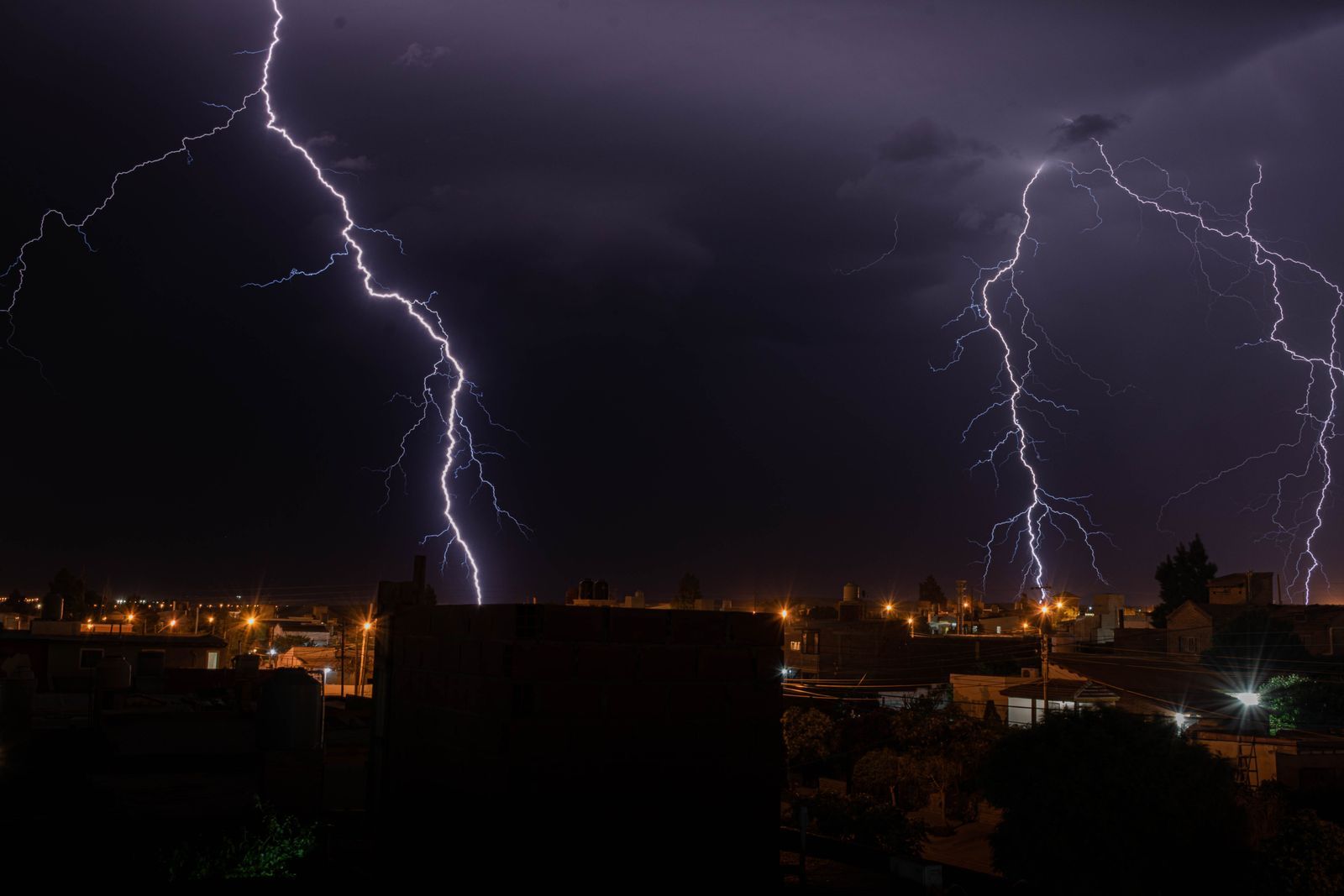
A lightning protection system gives lightning a safe path to the ground so it does not pass through the building or the people inside. It has three parts: air terminals (rods or tapes on the roof) that intercept the strike, down conductors that carry the current down the outside of the building, and an earth termination system (rods or tapes in the ground) that spreads it into the soil. Surge protection devices in the electrical board protect wiring and appliances. Lightning is a serious risk in Tanzania, especially around Lake Victoria and in the western regions during the rains, and after a strike killed seven students at a school in Geita in January 2025, the government directed public and community buildings to install protection.
How serious is lightning in Tanzania?
Lightning strikes kill and injure people in Tanzania every rainy season, and they damage homes, schools and electrical equipment far more often. The regions around Lake Victoria and in the west, such as Kagera, Geita, Kigoma, Katavi and Rukwa, are among the most affected, but strikes happen across the country. Following the Geita incident, the government installed protection systems in schools in Bukombe District and told public institutions, including places of worship, to install their own, as reported by the Daily News.
For homes, the most common damage is not a direct hit on the house. It is a surge that comes in through power lines, phone lines or metal pipes and destroys appliances, sometimes starting fires.
How does a lightning protection system work?
| Part | What it is | What it does |
|---|---|---|
| Air terminals | Pointed rods or a mesh of tapes on the roof, ridges and high points | Intercept the strike |
| Down conductors | Copper or aluminium tapes running down the outside walls | Carry the current to ground by a direct route |
| Test joints | Removable joints near the bottom of each down conductor | Allow the earth resistance to be tested |
| Earth electrodes | Copper or copper-bonded rods driven into the ground, or buried tapes | Spread the current safely into the soil |
| Bonding | Connections between the system and metal parts of the building | Prevent dangerous sparks between metal parts |
| Surge protection devices (SPDs) | Devices in the electrical distribution board | Protect wiring and appliances from voltage surges |
The international standard for building lightning protection is IEC 62305, which covers risk assessment and the design of each part.

Which buildings need lightning protection?
- Schools, churches, mosques, health facilities and other buildings where many people gather.
- Tall buildings and buildings on hilltops or open ground.
- Buildings with metal roofs in high-risk regions.
- Buildings with valuable or critical electronics: banks, offices, data rooms, telecom sites.
- Fuel stations and stores of flammable materials.
- Homes in areas with frequent storms, especially if isolated or taller than the buildings around them.
A risk assessment by a qualified electrical engineer decides the level of protection needed.
Is earthing the same as lightning protection?
No, though they are connected. The electrical earthing in your house (the earth wire in every socket, connected to an earth rod) protects people from electric shock if an appliance develops a fault. A lightning protection system deals with the much larger current of a lightning strike. The two earthing systems should be bonded together so they stay at the same potential during a strike, but each needs to be designed for its own job.
TANESCO and the inspectors who certify new installations check that the house earthing is in place before connecting supply. See our guide to a TANESCO connection for a new house.
How good does the earth need to be?
The earth electrode system should have a low resistance to ground. For lightning protection, a common target is 10 ohms or less. Dry, sandy or rocky ground has high resistance and may need more rods, deeper rods, or buried tape rings around the building. The resistance is measured with an earth tester at the test joints, and should be checked once a year, ideally before the rainy season.
What are common installation mistakes?
- Down conductors run inside the building or through ceilings.
- Sharp bends and loops in conductors, which lightning can jump across.
- A single earth rod in dry soil with no test.
- Thin or cheap conductors that melt or corrode.
- Lightning earth not bonded to the electrical earth.
- No surge protection in the distribution board.
- Theft of copper conductors, leaving the system broken. Use anti-theft fixings and check regularly.
How much does lightning protection cost?
| Building | Example cost (2026) |
|---|---|
| Surge protection devices in a house distribution board | TSh 300,000 to 900,000 (about USD 115 to 350) |
| Basic lightning protection for a single-storey house | TSh 2,000,000 to 6,000,000 (about USD 770 to 2,300) |
| School block, church or office building | TSh 6,000,000 to 20,000,000 or more (about USD 2,300 to 7,700) |
Example prices only. Building size, roof type, soil conditions and copper prices drive the cost. USD figures are approximate at roughly TSh 2,600 per USD.
What should I do during a thunderstorm?
- Stay indoors, away from windows, and do not shelter under trees.
- Avoid using wired phones and touching plumbing or metal fixtures.
- Unplug sensitive electronics before the storm if you do not have surge protection.
- Do not stand on open ground, rooftops or near water.
Frequently asked questions
Does a house in Tanzania need a lightning conductor?
Not every house, but many benefit, especially in high-risk regions, on hilltops, or where the house is taller than its surroundings. Every house should at least have proper electrical earthing and surge protection.
What is the difference between a lightning arrester and surge protection?
People often use "lightning arrester" for the rod on the roof. Surge protection devices are installed in the electrical board to stop voltage spikes reaching appliances. Both are useful, and they do different jobs.
How often should a lightning protection system be checked?
Visually after any strike and at least once a year, with an earth resistance test before the main rainy season.
Who should install lightning protection?
A licensed electrical contractor working to a design by a qualified electrical engineer, following IEC 62305.
Need lightning protection or earthing checked?
Vika Construction coordinates lightning protection, earthing and electrical works on new buildings and upgrades. See our building services or contact us.
Found this useful? Share it with someone who is building.