In 2026, a 50 kg bag of cement in Dar es Salaam costs about TSh 17,000 to 18,500 (about USD 6.50 to 7.10) after manufacturers raised prices in July 2026, as reported by The Citizen. Other key materials, such as reinforcement steel, concrete blocks, sand, aggregate and roofing sheets, vary more by region and supplier. Materials usually make up 55% to 65% of the cost of building a house, so buying the right quality at the right time, and storing it properly, saves real money.
What do building materials cost in Tanzania in 2026?
These are indicative prices in Dar es Salaam in late 2026. Prices change often and are usually higher in remote regions because of transport.
| Material | Unit | Indicative price |
|---|---|---|
| Cement (42.5 or 32.5 grade) | 50 kg bag | TSh 17,000 to 18,500 (about USD 6.50 to 7.10) |
| Reinforcement steel bar, 12 mm | 12 m bar | TSh 28,000 to 36,000 (about USD 11 to 14) |
| Reinforcement steel bar, 16 mm | 12 m bar | TSh 50,000 to 62,000 (about USD 19 to 24) |
| Concrete block, 6 inch (150 mm) | each | TSh 1,500 to 2,200 (about USD 0.60 to 0.85) |
| Concrete block, 8 inch (200 mm) | each | TSh 2,000 to 2,800 (about USD 0.75 to 1.10) |
| Sand | 7 tonne trip | TSh 180,000 to 300,000 (about USD 70 to 115) |
| Aggregate (kokoto) | 7 tonne trip | TSh 350,000 to 550,000 (about USD 135 to 210) |
| Iron roofing sheet, 28 gauge | per sheet (3 m) | TSh 25,000 to 40,000 (about USD 10 to 15) |
| Floor tiles, standard ceramic | per m² | TSh 18,000 to 40,000 (about USD 7 to 15) |
Indicative prices only, October 2026. Always get current quotes from several suppliers. USD figures are approximate, using roughly TSh 2,600 per USD.
Why do material prices change so much?
- Production costs. Power, fuel and clinker costs push cement prices up, as in July 2026.
- Taxes. Changes in excise duty or VAT pass through to prices.
- Exchange rate. Imported steel, tiles, fittings and roofing follow the shilling against the dollar.
- Season. Demand and transport difficulties during the rains can raise prices.
- Distance. Transport from Dar es Salaam, Tanga or Mbeya adds cost in other regions.
How do you check material quality?
- Cement: check the brand, grade and manufacturing date on the bag. Lumpy or hard cement has absorbed moisture; reject it.
- Steel: check the diameter with a measuring tool and look for the manufacturer's marks. Underweight bars are a common problem.
- Blocks: knock two blocks together; good blocks ring and do not crumble at the edges. Ask how long they were cured.
- Sand: it should be clean, without clay, salt or rubbish. Beach sand is not suitable for structural work.
- Standards: look for products certified by the Tanzania Bureau of Standards (TBS).
Read concrete blocks vs bricks and roofing materials in Tanzania for more on choosing materials.
When should you buy materials?
Buy materials as each stage needs them, not all at once. Cement in particular should be used within a few weeks of delivery. Large early purchases tie up money, risk theft and spoil in storage. The exception is when a price rise is announced and you have safe, dry storage for a short period.
How do you store materials on site?
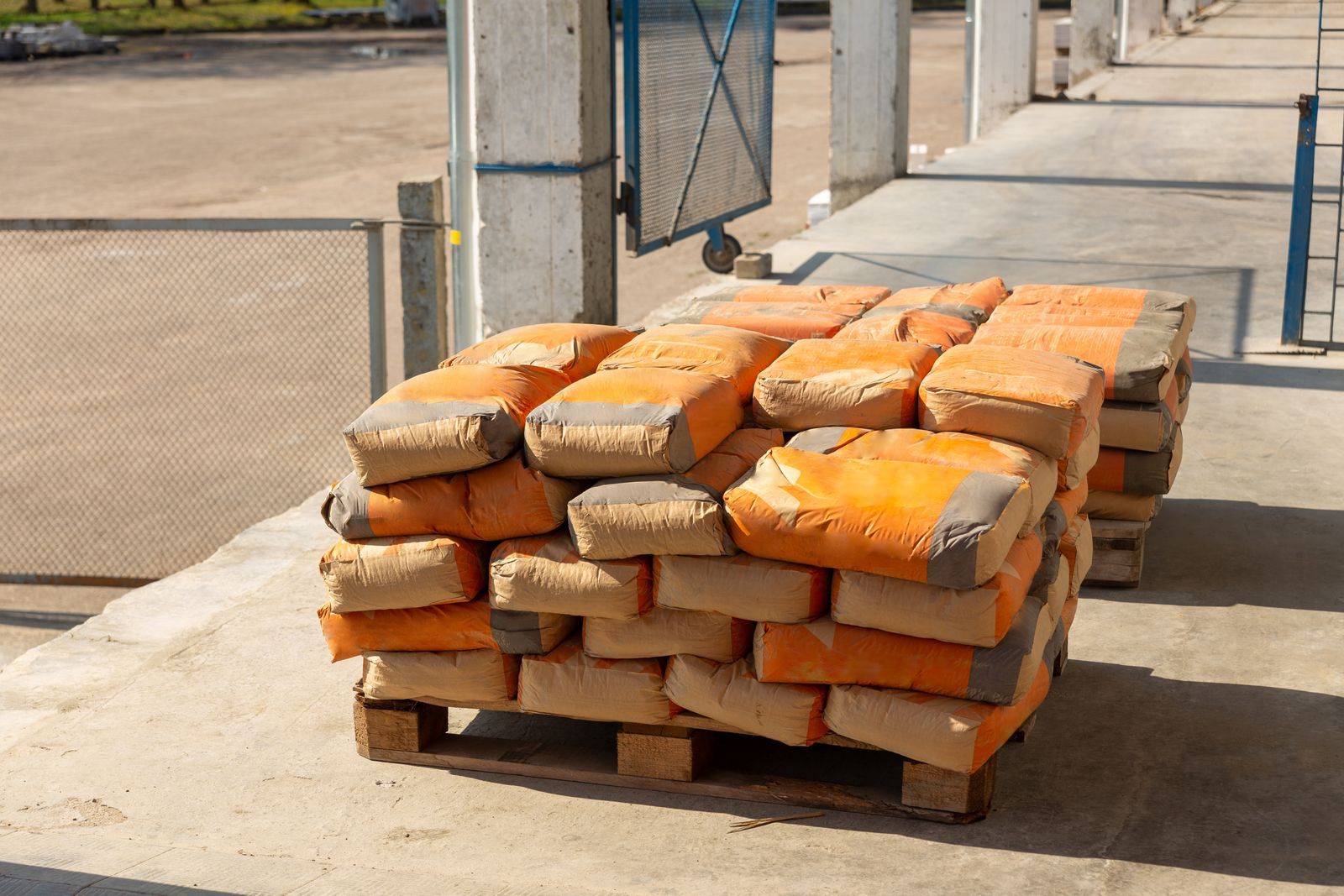
- Keep cement on pallets, off the ground, under a roof, stacked no more than about 10 bags high.
- Keep steel off the ground on timber, covered from rain.
- Store sand and aggregate on a hard surface so they do not mix with soil.
- Keep a simple store book of what comes in and what is used.
How many materials does a house need?
That depends on the design, so use a priced bill of quantities. As a rough idea, a 3-bedroom bungalow of about 120 m² often needs several hundred bags of cement and several thousand blocks. See 3-bedroom house plans and costs and the full cost of building a house.
Frequently asked questions
How much is a bag of cement in Tanzania in 2026?
About TSh 17,000 to 18,500 for a 50 kg bag in Dar es Salaam after the July 2026 increases. Prices are often higher outside the main cities.
Is it cheaper to buy materials myself or through a contractor?
Contractors often get trade prices and handle storage and waste. Buying yourself can save money only if you have time, knowledge and secure storage.
Which cement grade should I use?
Grade 42.5 is common for structural concrete; 32.5 is often used for blockwork and plaster. Follow your engineer's specification.
How can I avoid fake or poor quality materials?
Buy from established suppliers, check TBS marks, measure steel and inspect deliveries before signing for them.
Get your project priced
Vika Construction prices projects with current material rates and manages buying, storage and waste on site. Contact us for an itemised quote.
Found this useful? Share it with someone who is building.